Winery Tanks
Winemaking is a craft that blends tradition with precision engineering. Behind every successful vintage is a carefully designed production setup, and at the heart of that setup are the winery tanks used for fermentation, storage, ageing, and processing. The design, material, and configuration of these tanks influence flavour development, production efficiency, hygiene, and the overall character of the wine.
With so many options available, choosing the right winery tanks can feel complex. This guide breaks down the different types, sizes, and features to help you understand what is needed for a reliable, scalable winemaking operation.
The Role of Winery Tanks in Wine Production
Winery tanks are essential throughout the winemaking journey. They provide the controlled environment required for fermentation, protect wine during storage, and support clarification and stabilisation before bottling. The right tank helps preserve purity, enhance flavour, and deliver consistent results across batches.
Modern wineries rely heavily on stainless steel tanks because they offer excellent hygiene, temperature control, and durability. Their versatility makes them suitable for red wine fermentation, white wine settling, cold stabilisation, blending, and long-term storage.
Types of Winery Tanks
Wineries use a variety of tanks, each suited to a specific stage of production. The most common include:
Fermentation Tanks
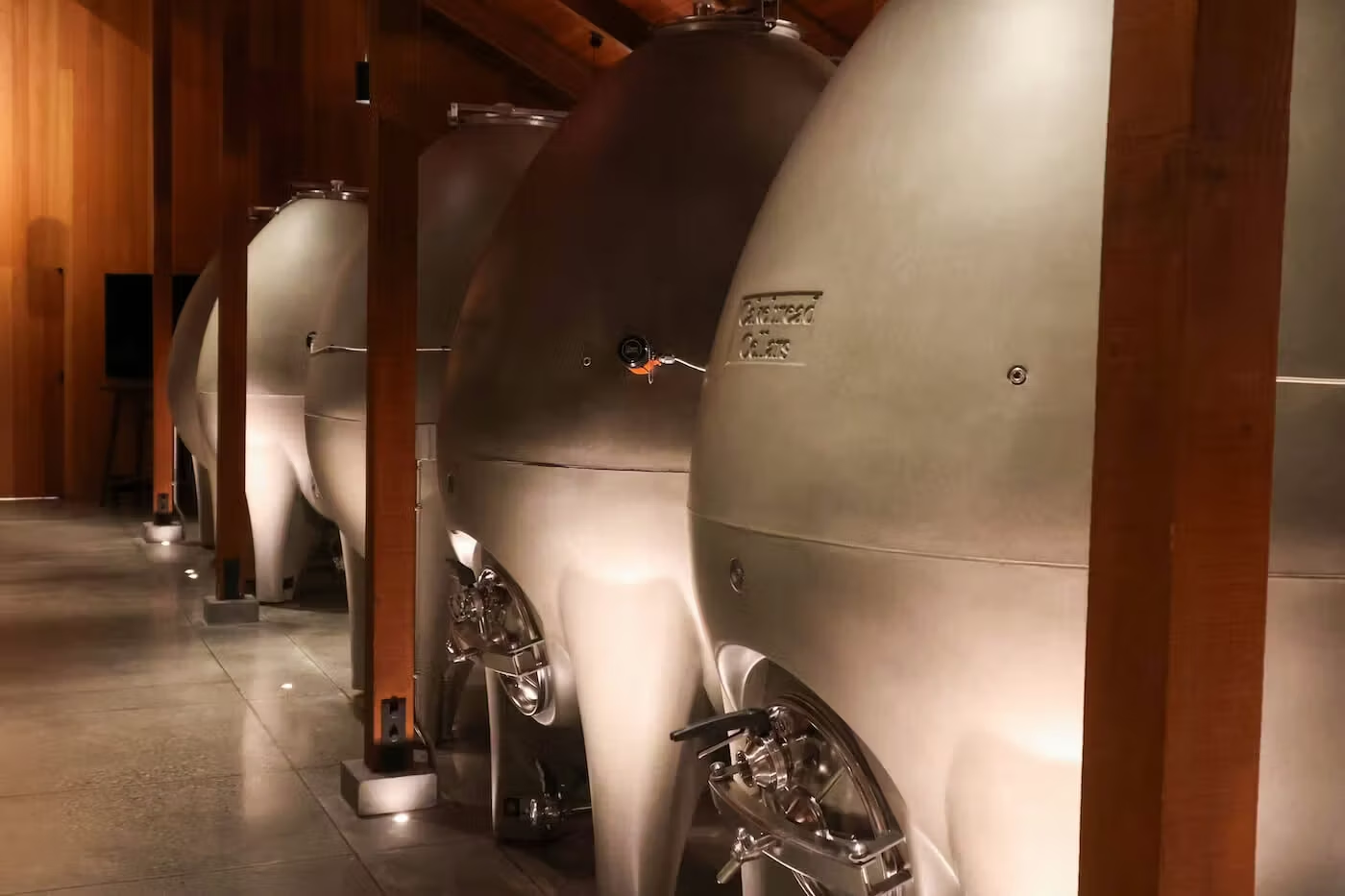
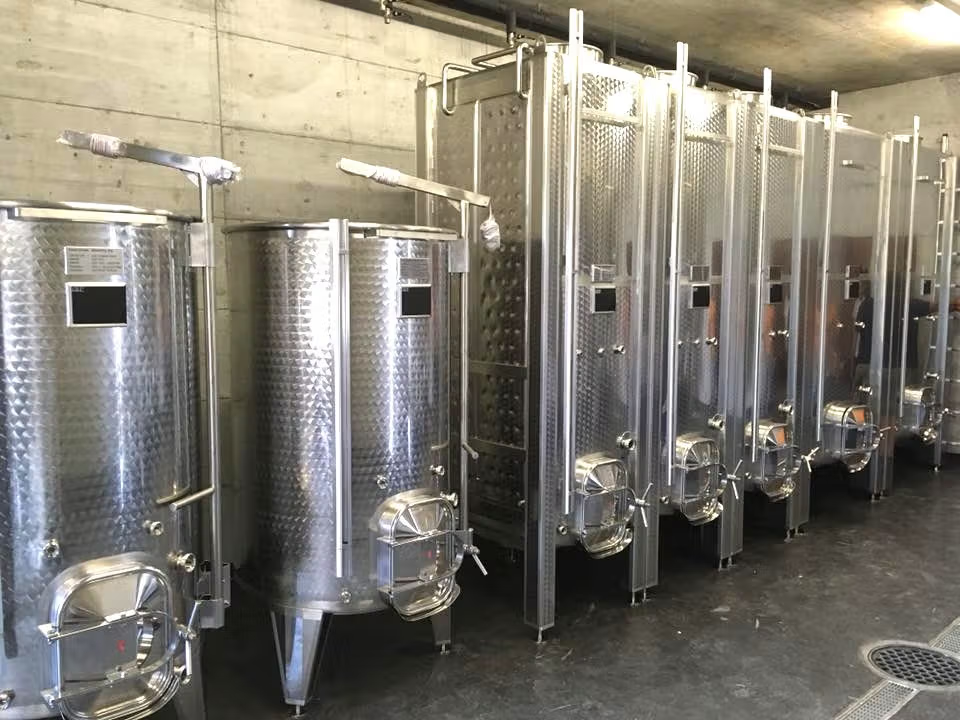
These tanks are designed to manage the heat and activity generated during fermentation. Many include cooling jackets, conical bases, and large access doors for cap management in red wines. Fermentation tanks must be strong, easy to clean, and engineered for temperature stability.
Storage and Ageing Tanks
Stainless steel storage tanks keep wine protected from oxygen and contamination during maturation. While some wineries age wine in oak barrels, stainless steel offers neutrality and preserves the pure fruit character of the grape.
Variable Capacity Tanks
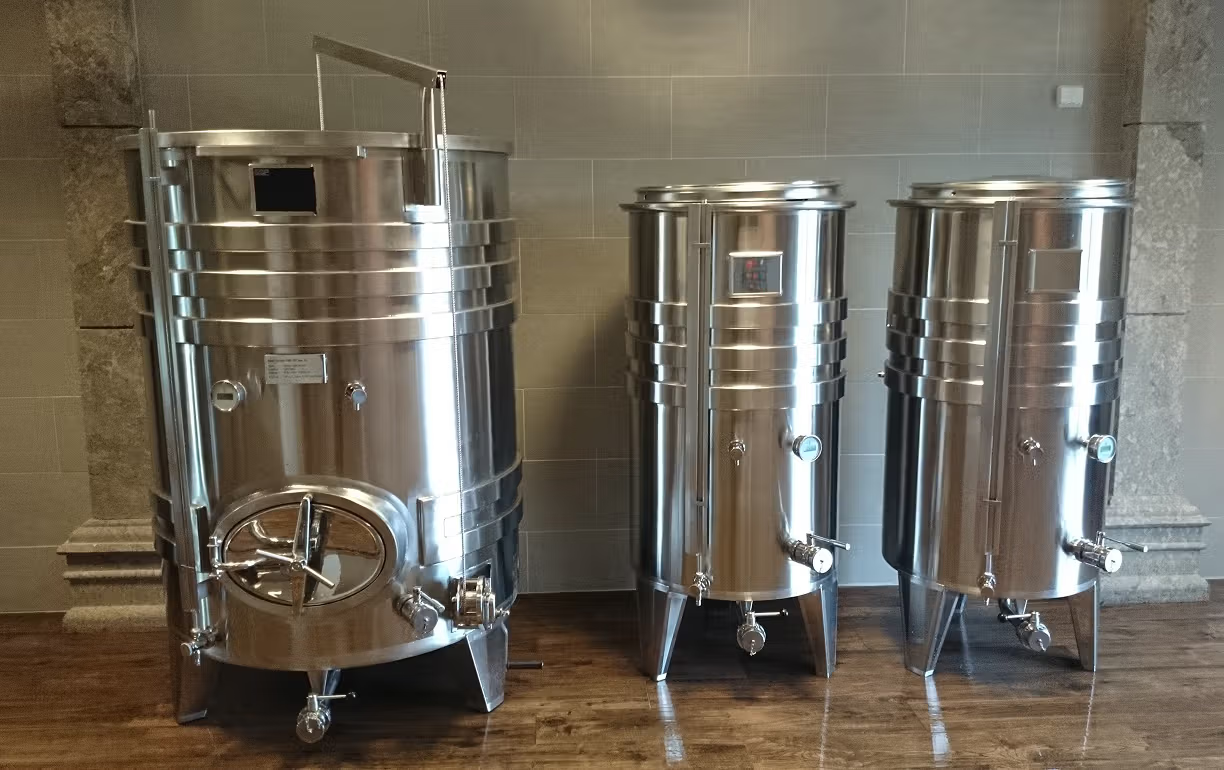
Ideal for fluctuating volumes, variable capacity tanks use a floating lid to eliminate headspace, helping wineries manage uneven harvests or experimental batches without risking oxidation.
Mixing or Blending Tanks
These tanks are equipped with access ports and sampling valves that make it easy to blend wines before bottling. Some include mixers to ensure uniform composition across the entire batch.
Settling or Clarification Tanks
Used for white wine and rosé production, these tanks allow solids to settle naturally before racking or filtration.
Common Tank Materials and Finishes
Most winery tanks are made from 304 or 316 stainless steel, both known for their corrosion resistance and long lifespan.
- 304 stainless steel is widely used for general wine production.
- 316 stainless steel offers enhanced protection against high acidity and chlorides, making it suitable for wineries that use stronger cleaning agents.
The internal finish of the tank is equally important. A polished or mirror finish ensures that residues do not cling to surfaces, improving hygiene and making cleaning more efficient. Smooth welds and rounded corners reduce the risk of microbial growth and support consistent wine quality.
Choosing the Right Tank Size
Tank size depends on production scale, grape variety, and workflow. Smaller wineries often use multiple mid-sized tanks to maintain flexibility across different wines and fermentation styles. Larger operations may rely on high-capacity tanks to streamline production and reduce energy consumption per litre.
Key considerations include:
- Batch size and varietal variation
- Available floor space and ceiling height
- Desired flexibility for mixing or experimental batches
- Harvest volume fluctuations
- Future expansion plans
Many wineries adopt a mix of sizes to accommodate diverse production needs and more efficiently manage their cellar layout.
Temperature Control and Cooling Systems
Temperature is one of the most important factors in winemaking. A difference of only a few degrees can influence fermentation speed, yeast behaviour, aroma development, and stability.
High-quality winery tanks often incorporate:
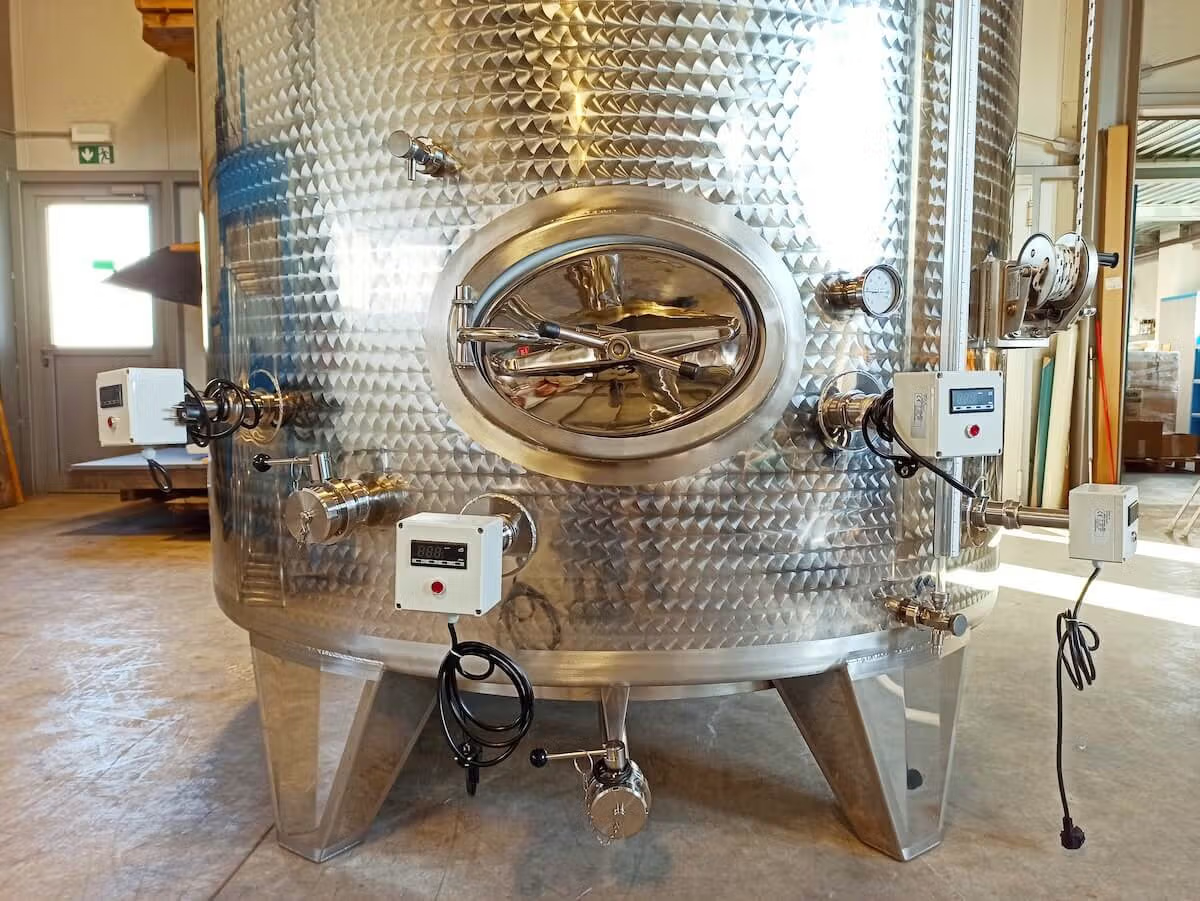
- Cooling jackets for precise temperature regulation
- Digital control panels for automated adjustments
- Insulation to maintain consistent temperatures and reduce energy use
- Thermowells for accurate sensor readings
Reliable temperature control is essential for both fermentation and storage, helping maintain clarity, aroma freshness, and structural balance.
Essential Features to Consider
When selecting winery tanks, certain features can significantly improve efficiency and wine quality.
Look for:
- Conical or sloped bases for complete drainage
- Easy-access manways for cleaning and inspection
- Sampling valves for testing wine during fermentation or ageing
- Racking arms for clean transfers without disturbing sediment
- Pressure ratings for tanks used during carbonation or cold stabilisation
- CIP systems for thorough and efficient internal cleaning
These features support smooth cellar operations and minimise the risk of contamination or product loss.
Cleaning and Maintenance
Hygiene is critical in winemaking. Even small residues can introduce unwanted flavours or bacterial activity. Stainless steel tanks with smooth surfaces and integrated cleaning systems ensure that each batch starts in a perfectly sanitised environment.
Regular cleaning procedures typically involve:
- Hot water rinsing
- Caustic or acid cleaning
- Steam sanitation or chemical sanitising
- Routine inspection of fittings, gaskets, and seals
Well-maintained winery tanks require minimal upkeep and offer decades of reliable performance.
Conclusion
From fermentation to storage and everything in between, winery tanks play a pivotal role in shaping wine quality and production efficiency. Understanding the different tank types, capacities, and essential features helps wineries create a setup that supports consistency, hygiene, and flexibility across every vintage.
Whether you operate a small boutique winery or a larger commercial facility, investing in the right winery tanks provides the foundation for exceptional winemaking. With proper construction, temperature control, and cleaning capabilities, these tanks help ensure that every bottle reflects the true character of the vineyard.
Looking for a stainless steel tank?