Stainless Steel Wine Tank Design
The design of a wine vessel plays a critical role in how wine ferments, matures, and retains its character. In modern wineries, careful attention to stainless steel wine vessel design allows producers to achieve consistency, efficiency, and precise control at every stage of production. From temperature regulation to hygiene and workflow, vessel design directly influences both wine quality and operational performance.
This article explores the key design considerations for stainless steel wine vessels used in fermentation and storage, explaining how thoughtful engineering enhances both winemaking outcomes and day-to-day efficiency.
Why Stainless Steel Is Central to Modern Winemaking
Stainless steel has become the preferred material for wine vessels due to its durability, neutrality, and hygienic properties. Unlike wood or concrete, stainless steel does not impart flavour, allowing winemakers to preserve the pure expression of the grape.
A well-executed stainless steel wine vessel design offers:
- Complete resistance to corrosion from acidic wine
- Smooth, non-porous surfaces that prevent contamination
- Compatibility with precise temperature control systems
- Long service life with minimal maintenance
These qualities make stainless steel ideal for both fermentation and long-term storage.
Designing Vessels for Fermentation Performance
Fermentation is an active process that generates heat, carbon dioxide, and solid matter. Vessel design must account for all three to ensure stable, predictable results.
Key fermentation-focused design elements include:
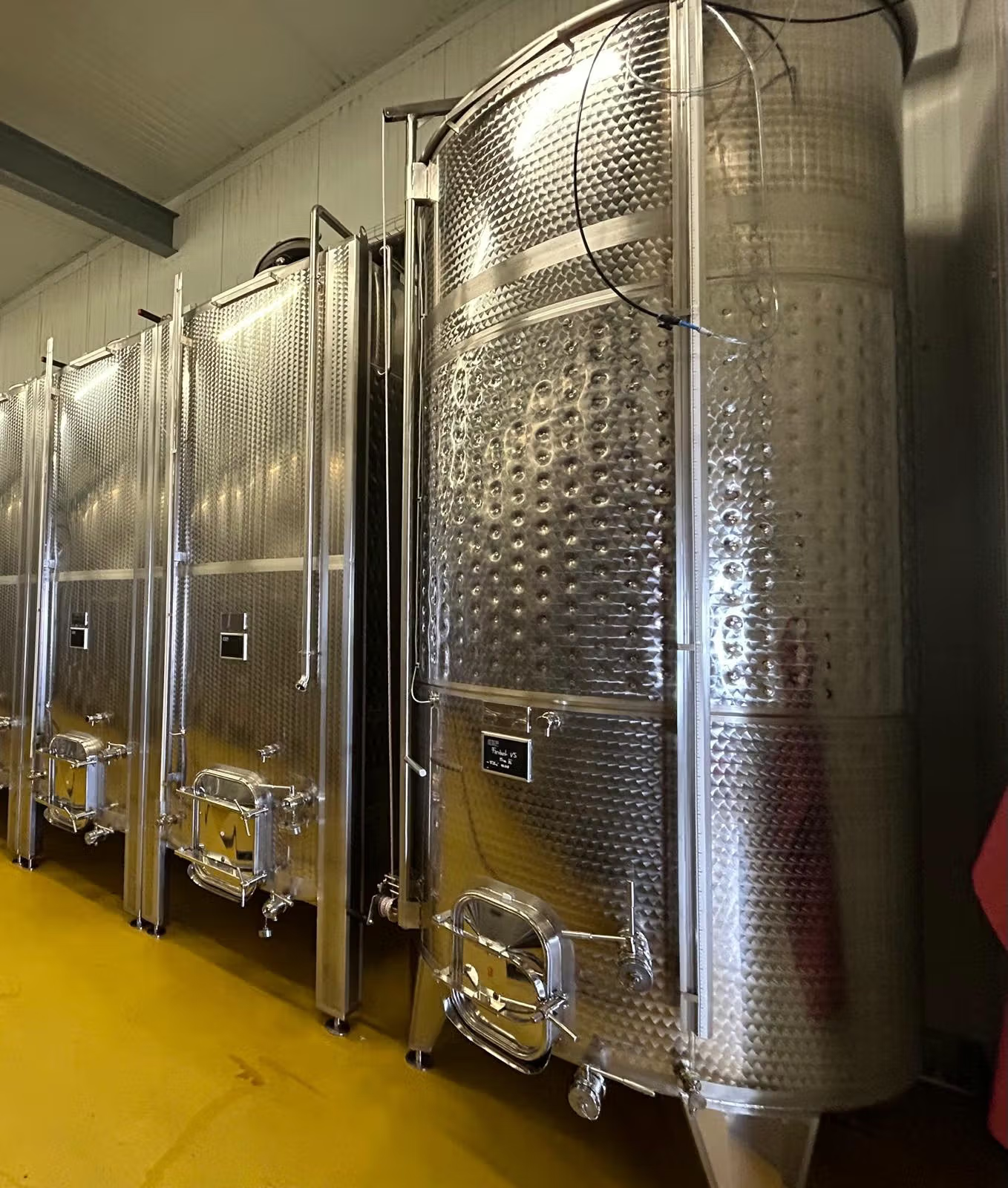
- Cooling jackets positioned to manage heat evenly
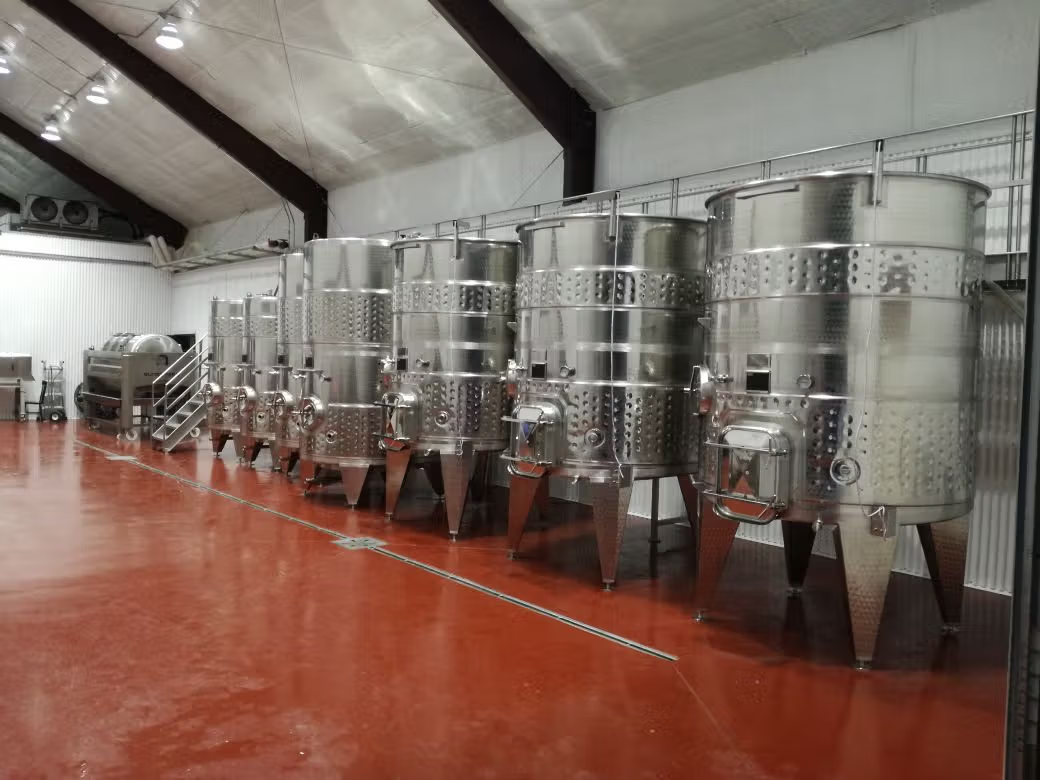
- Cylindrical or conical shapes that encourage natural circulation
- Adequate headspace to handle foam and CO₂ release
- Access doors or manways for cap management in red wine fermentation
By optimising geometry and cooling layout, stainless steel wine vessel design helps maintain yeast health and consistent fermentation kinetics.
Vessel Shape and Its Impact on Wine Development
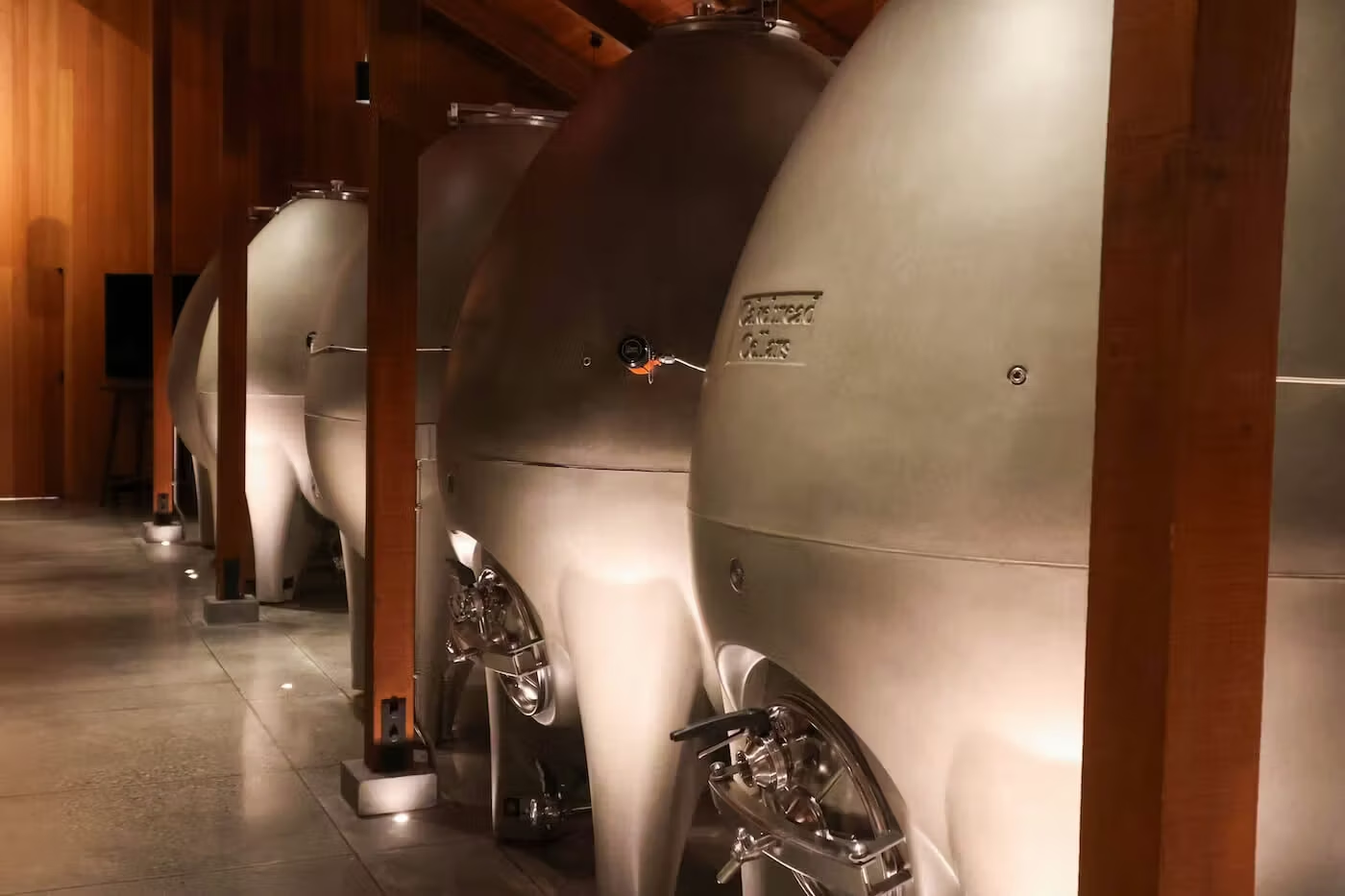
The shape of a wine vessel influences how solids, yeast, and liquid interact. Cylindrical vessels promote uniform temperature distribution, while conical bases allow sediment to settle cleanly for easy removal.
Design choices often depend on wine style:
- Conical bases simplify racking and lees removal
- Flat or dish bottoms suit settling and clarification
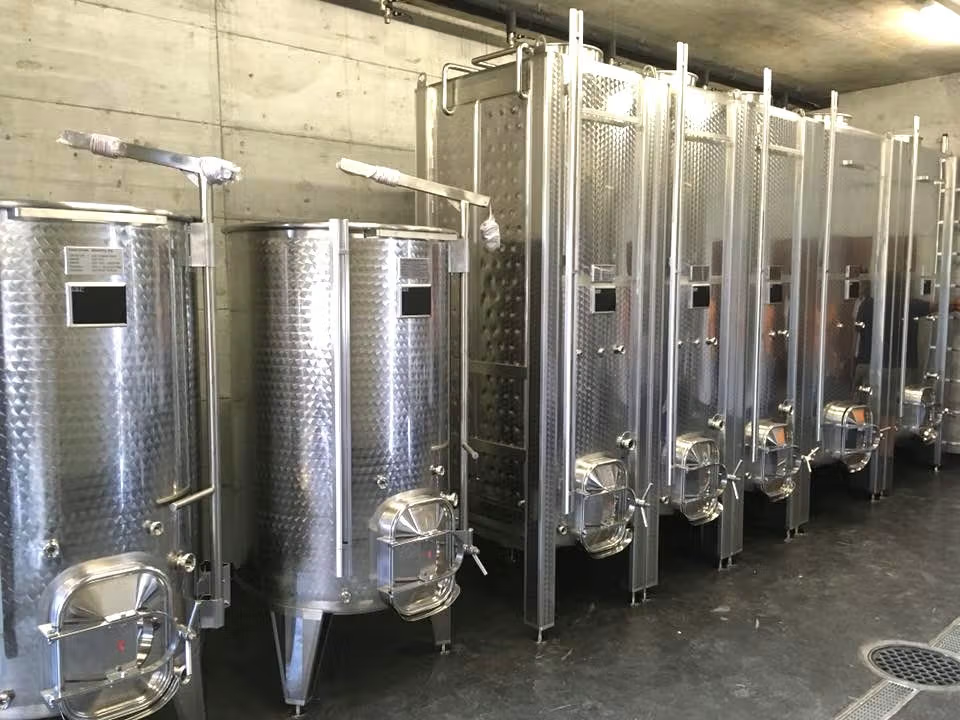
- Tall vertical tanks maximise cellar space efficiency
Selecting the right shape ensures smoother transfers, clearer wine, and reduced handling.
Storage Vessel Design and Oxygen Management
Once fermentation is complete, oxygen control becomes one of the most important considerations. Poorly designed storage vessels can expose wine to oxidation, dulling aromas and shortening shelf life.
Effective stainless steel wine vessel design includes:
- Airtight construction with high-quality seals
- Options for inert gas blanketing
- Pressure-rated designs for controlled environments
- Minimal headspace or variable capacity features
These elements protect wine during maturation and help preserve freshness, structure, and aromatic intensity.
Material Grades and Internal Finishes
Most wine vessels are manufactured from 304 or 316 stainless steel, both offering excellent corrosion resistance and hygienic performance.
- 304 stainless steel is suitable for most winemaking applications.
- 316 stainless steel provides enhanced resistance where acidity or cleaning chemicals are more aggressive.
Internal surface finish is equally important. Polished interiors reduce residue build-up, improve cleaning efficiency, and limit microbial risk. Smooth welds and rounded corners further support hygiene and long-term reliability.
Integrating Temperature Control Systems
Temperature stability is essential during both fermentation and storage. A well-planned vessel design incorporates cooling jackets that provide even coverage without excessive energy use.
Common features include:
- Single or multi-zone cooling jackets
- Thermowells for accurate sensor placement
- Insulated exteriors to reduce heat transfer
- Compatibility with automated control systems
These features allow winemakers to maintain consistent conditions, regardless of ambient temperature or seasonal variation.
Cleaning, Hygiene, and Operational Efficiency
Ease of cleaning is a defining factor in stainless steel wine vessel design. Efficient cleaning reduces downtime, lowers contamination risk, and extends equipment lifespan.
Look for vessels with:
- Integrated CIP spray balls
- Fully drainable bases
- Smooth internal welds
- Easy access for inspection and maintenance
Well-designed vessels streamline cellar operations and support repeatable, high-quality production.
Balancing Customisation and Scalability
Many wineries benefit from bespoke vessel designs that reflect their production methods, space constraints, and growth plans. Custom fabrication allows optimisation of height, diameter, fittings, and control systems.
A scalable design approach ensures that vessels remain useful as production expands, reducing the need for costly replacements or inefficient workarounds in the future.
Conclusion
Thoughtful stainless steel wine vessel design is essential for achieving precision, consistency, and efficiency in modern winemaking. From fermentation performance to long-term storage, well-designed vessels support better temperature control, improved hygiene, and greater protection against oxidation.
By focusing on vessel shape, material choice, cooling integration, and cleanability, wineries can build a production setup that enhances wine quality while supporting smooth, scalable operations for years to come.
Looking for a stainless steel tank?