Jacketed Wine Tanks
Temperature control is one of the most influential factors in modern winemaking. From managing active fermentation to stabilising wine during storage, even small temperature fluctuations can affect flavour, aroma, and overall quality. This is why jacketed wine vessels have become a core component of winery operations of all sizes.
By allowing precise control over heating and cooling, jacketed vessels help winemakers guide fermentation, protect delicate aromatics, and produce consistent results year after year. This article explains how jacketed wine vessels work, why they are so important, and what to consider when selecting them for fermentation and storage.
What Are Jacketed Wine Vessels
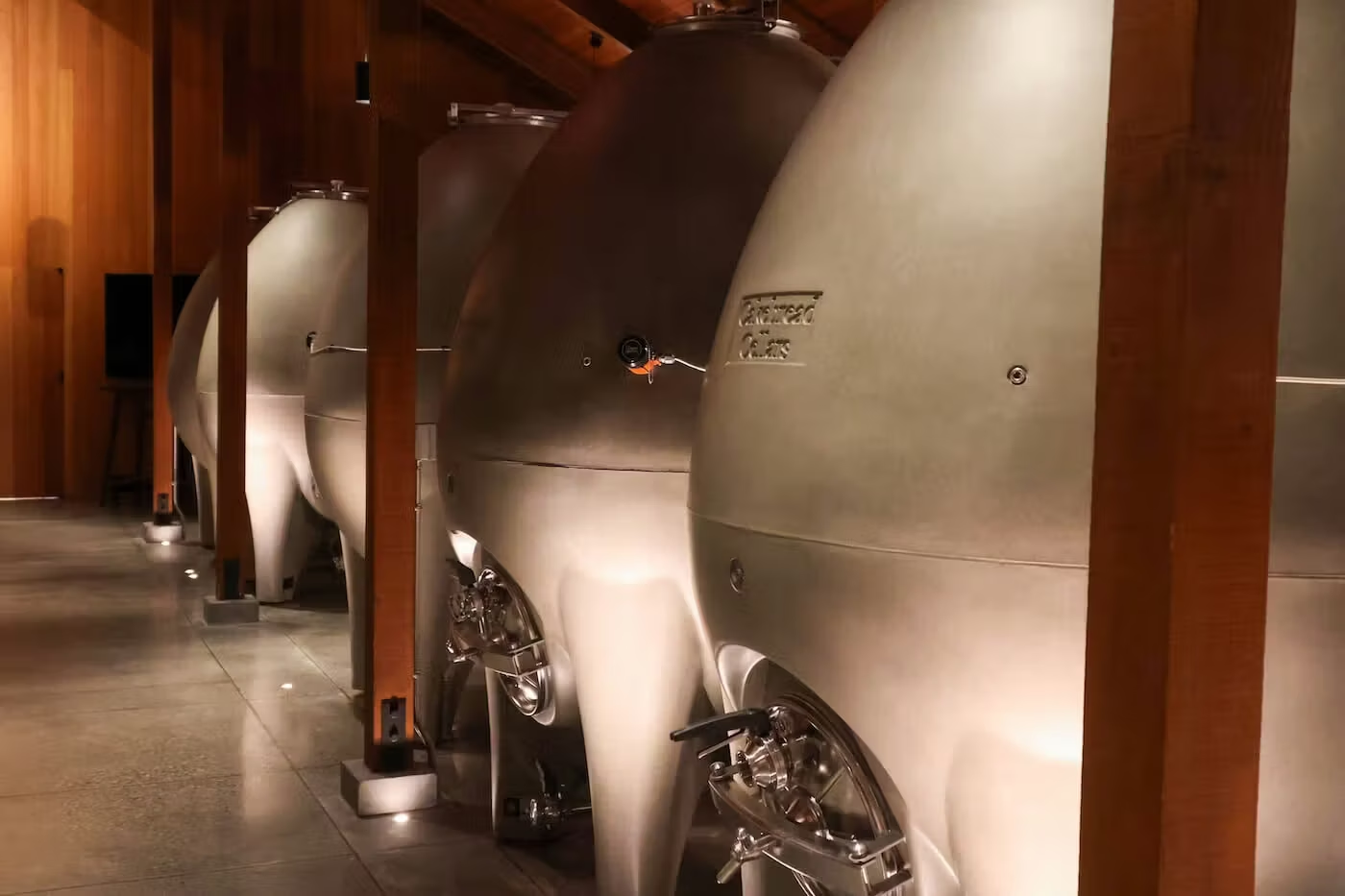
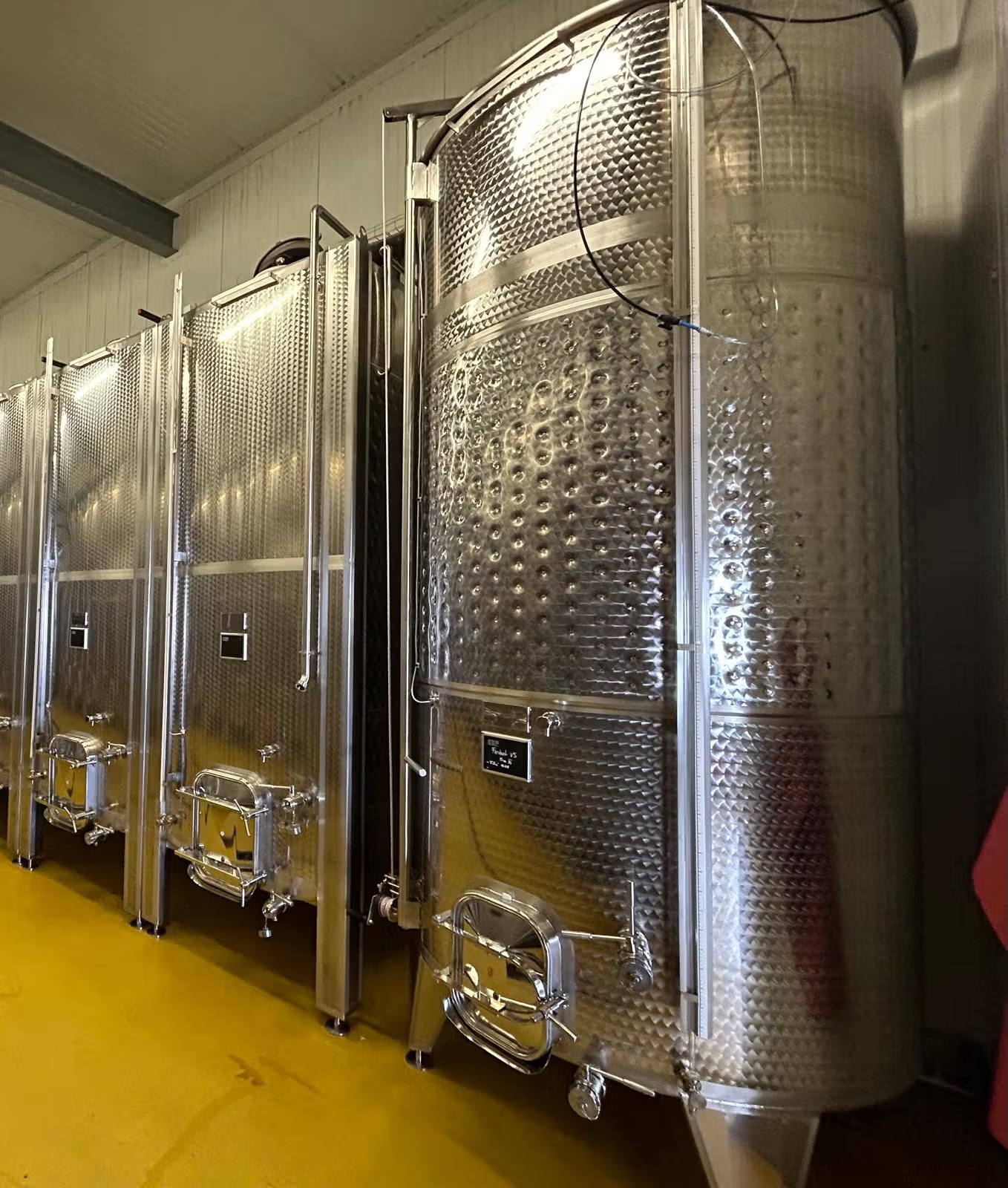
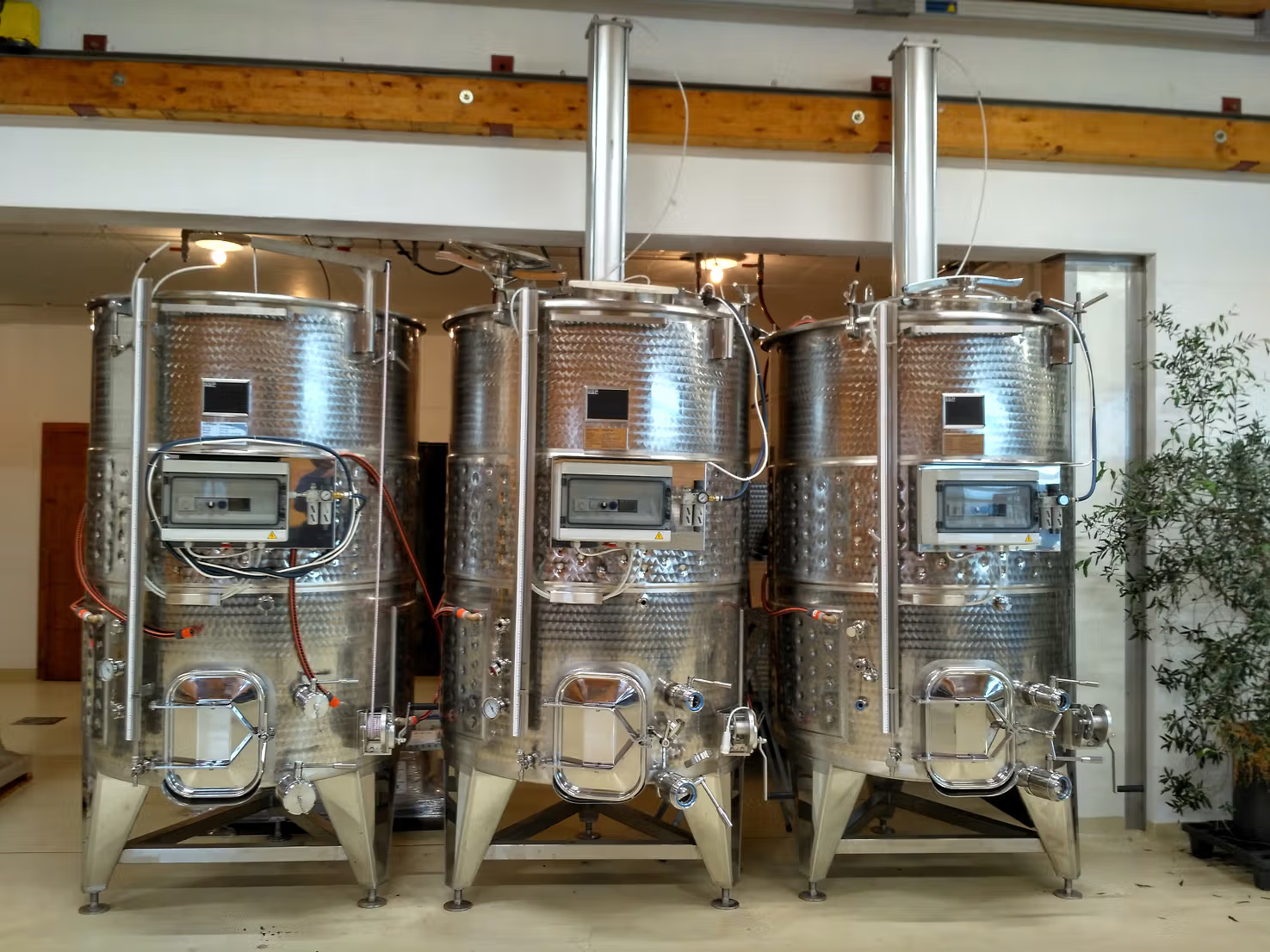
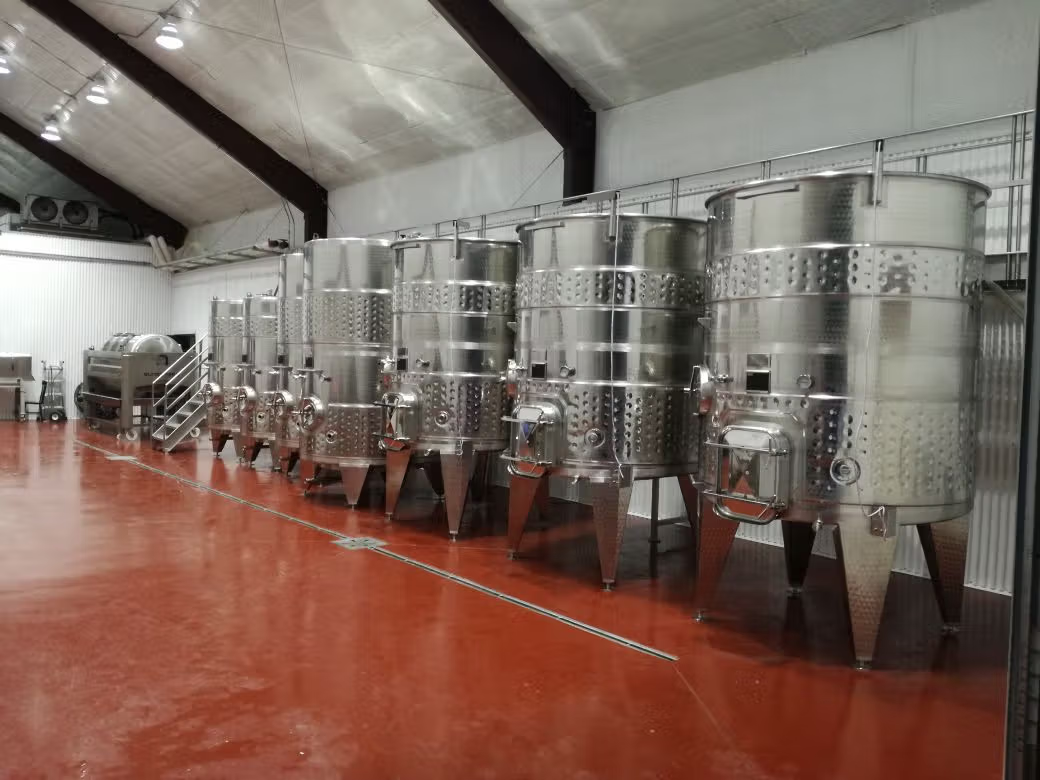
Jacketed wine vessels are stainless steel tanks fitted with one or more external jackets through which a heating or cooling medium is circulated. Most commonly, this involves chilled glycol or water flowing through the jacket to regulate the temperature of the wine inside the tank.
The jackets are welded directly to the vessel wall, allowing efficient heat transfer without direct contact between the cooling fluid and the wine. This design gives winemakers precise, responsive control over temperature at every stage of production.
Why Temperature Control Matters in Winemaking
Fermentation is an exothermic process, meaning it naturally generates heat. If that heat is not managed correctly, yeast performance can suffer, leading to stuck fermentations, loss of aroma, or harsh flavour development.
Jacketed wine vessels help:
- Maintain optimal fermentation temperatures
- Protect yeast health and activity
- Preserve delicate fruit aromas
- Reduce the risk of unwanted microbial growth
- Ensure consistent results across batches
For white wines and aromatic styles, cooler fermentation temperatures are essential. For reds, controlled warmth helps extract colour and tannin without damaging flavour balance.
Cooling Jackets and Fermentation Stability
The placement and design of cooling jackets directly influence how evenly temperature is controlled throughout the vessel. High-quality jacketed wine vessels often use zoned jackets that allow cooling to be applied precisely where it is needed.
Common jacket configurations include:
- Lower-zone jackets to manage heat during early fermentation
- Mid or upper-zone jackets to control temperature as fermentation progresses
- Full-height jackets for maximum control in larger vessels
This flexibility ensures uniform fermentation and avoids hot spots that could stress yeast or alter flavour development.
Temperature Control During Storage and Stabilisation
Temperature management does not end when fermentation is complete. During storage, wine remains sensitive to heat, oxygen exposure, and instability. Jacketed wine vessels allow producers to hold wine at steady temperatures for clarification, cold stabilisation, and maturation.
Controlled cooling supports:
- Improved clarity through sediment settling
- Prevention of unwanted secondary fermentation
- Better tartaric stability
- Preservation of freshness and structure
By maintaining stable storage conditions, wineries protect the integrity of the wine right up to bottling.
Material Choice and Construction Quality
Most jacketed wine vessels are manufactured from 304 or 316 stainless steel, both of which offer excellent resistance to corrosion and ease of cleaning.
- 304 stainless steel is suitable for most winemaking applications.
- 316 stainless steel is preferred where higher acidity or stronger cleaning agents are used.
Internal surface finish is critical. Smooth, polished interiors improve hygiene, reduce cleaning time, and minimise the risk of contamination. High-quality welding and precise jacket fabrication ensure efficient heat transfer and long-term reliability.
Energy Efficiency and Sustainability
Well-designed jacketed wine vessels improve energy efficiency by delivering targeted temperature control with minimal energy loss. Insulated tanks help maintain stable internal conditions, reducing the workload on chillers and heating systems.
Energy-efficient benefits include:
- Lower operational costs
- Reduced glycol or water usage
- Faster temperature response times
- Improved sustainability performance
For wineries aiming to reduce their environmental footprint, efficient vessel design plays a key role.
Integration with Automation and Control Systems
Modern wineries often integrate jacketed vessels with automated temperature control systems. Sensors monitor internal temperature and adjust cooling or heating automatically to maintain set parameters.
Automation allows:
- Consistent fermentation profiles
- Reduced manual intervention
- Improved repeatability between vintages
- Accurate data collection for process optimisation
Jacketed wine vessels designed with automation compatibility provide long-term flexibility as production scales.
Conclusion
From fermentation to storage, jacketed wine vessels are essential for achieving temperature stability, flavour consistency, and overall wine quality. Their ability to deliver precise control protects yeast performance, preserves aroma, and supports efficient winery operations.
By investing in well-designed jacketed tanks, wineries gain greater confidence in every stage of production, ensuring that each vintage reaches its full potential with clarity, balance, and consistency.
Looking for a stainless steel tank?