Wine Storage Tanks
Once fermentation is complete, wine enters a critical phase where its quality must be protected until it is ready for bottling. During storage, wine remains sensitive to oxygen exposure, temperature fluctuations, and contamination. The design and specification of wine storage tanks play a vital role in preserving freshness, structure, and aroma throughout this period.
From short-term holding to extended maturation, storage tanks provide a controlled environment that supports stability and consistency. This article explains how well-designed wine storage tanks help maintain quality from the end of fermentation through to final packaging.
The Role of Storage Tanks in Winemaking
Wine storage tanks are used after fermentation to hold wine while it settles, matures, stabilises, or awaits blending and bottling. At this stage, the goal is not to influence flavour, but to protect what has already been achieved during fermentation.
Effective storage allows winemakers to:
- Clarify wine naturally through settling
- Stabilise temperature and chemistry
- Prevent oxidation and spoilage
- Maintain consistency across batches
- Plan bottling schedules with greater flexibility
Without reliable storage tanks, wine quality can deteriorate quickly, even after a successful fermentation.
Why Stainless Steel Is Ideal for Wine Storage
Most modern wineries rely on stainless steel wine storage tanks because the material is neutral, hygienic, and highly durable. Stainless steel does not absorb flavours or aromas, allowing the wine to retain its intended profile throughout storage.
Key advantages include:
- Resistance to corrosion from acidic wine
- Smooth, non-porous surfaces that prevent bacterial growth
- Compatibility with inert gas blanketing
- Easy cleaning using CIP systems
- Long service life with minimal maintenance
Both 304 and 316 stainless steel are commonly used, with 316 offering added protection in more demanding environments.
Oxygen Control and Wine Protection
Oxygen exposure is one of the greatest risks during storage. Even small amounts can dull aromas, flatten flavour, and shorten shelf life. High-quality wine storage tanks are designed to minimise oxygen contact through airtight construction and controlled headspace.
Many wineries use:
- Inert gas blanketing with nitrogen or carbon dioxide
- Pressure-rated tanks to maintain sealed environments
- Variable capacity tanks to eliminate excess headspace
These features protect wine during storage and ensure it reaches bottling in optimal condition.
Temperature Stability During Storage
Temperature consistency is just as important during storage as it is during fermentation. Sudden temperature changes can cause instability, haze formation, or unwanted chemical reactions.
Well-designed wine storage tanks often include:
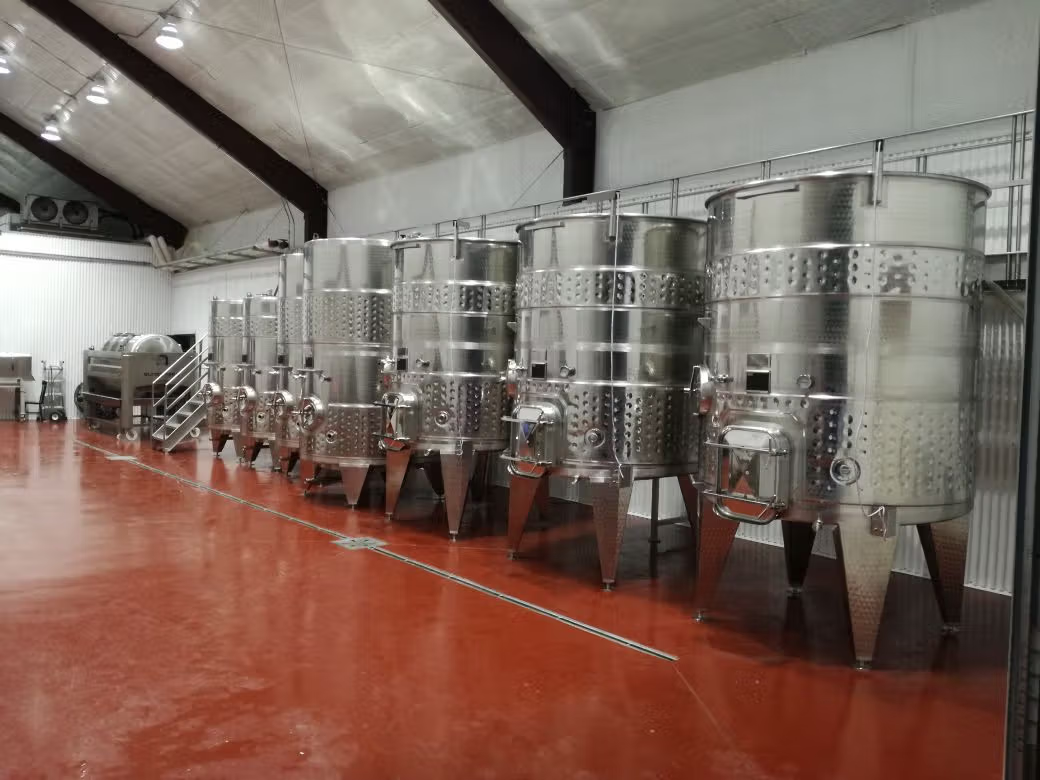
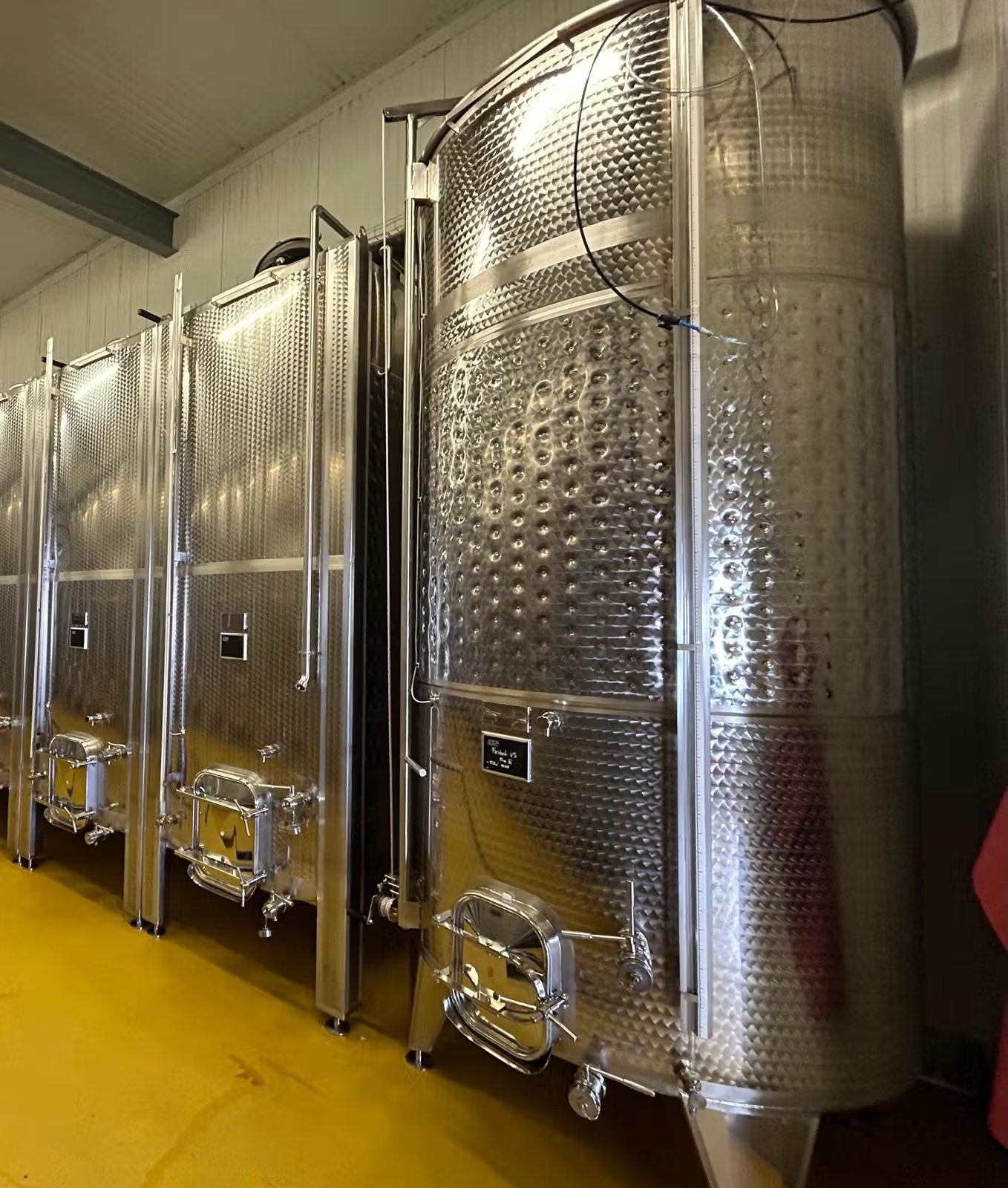
- Cooling jackets for temperature regulation
- Insulated exteriors to reduce heat transfer
- Temperature probes for continuous monitoring
Stable storage temperatures support clarity, protect aroma compounds, and reduce the risk of spoilage before bottling.
Tank Design and Configuration
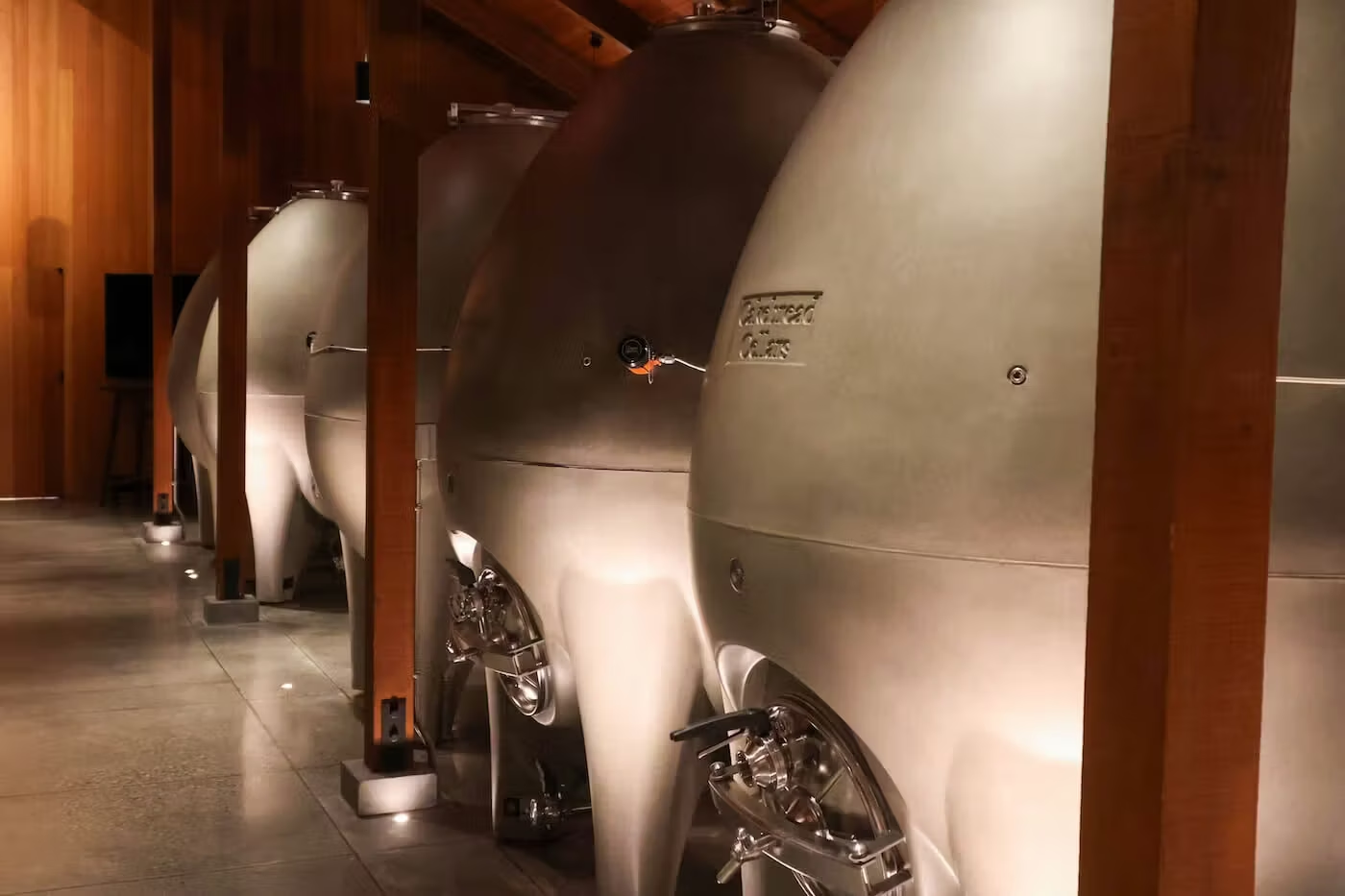
Wine storage tanks are available in a wide range of shapes and sizes, allowing wineries to configure their cellar to suit production volume and workflow.
Common configurations include:
- Vertical cylindrical tanks for efficient space usage
- Horizontal tanks for low-ceiling environments
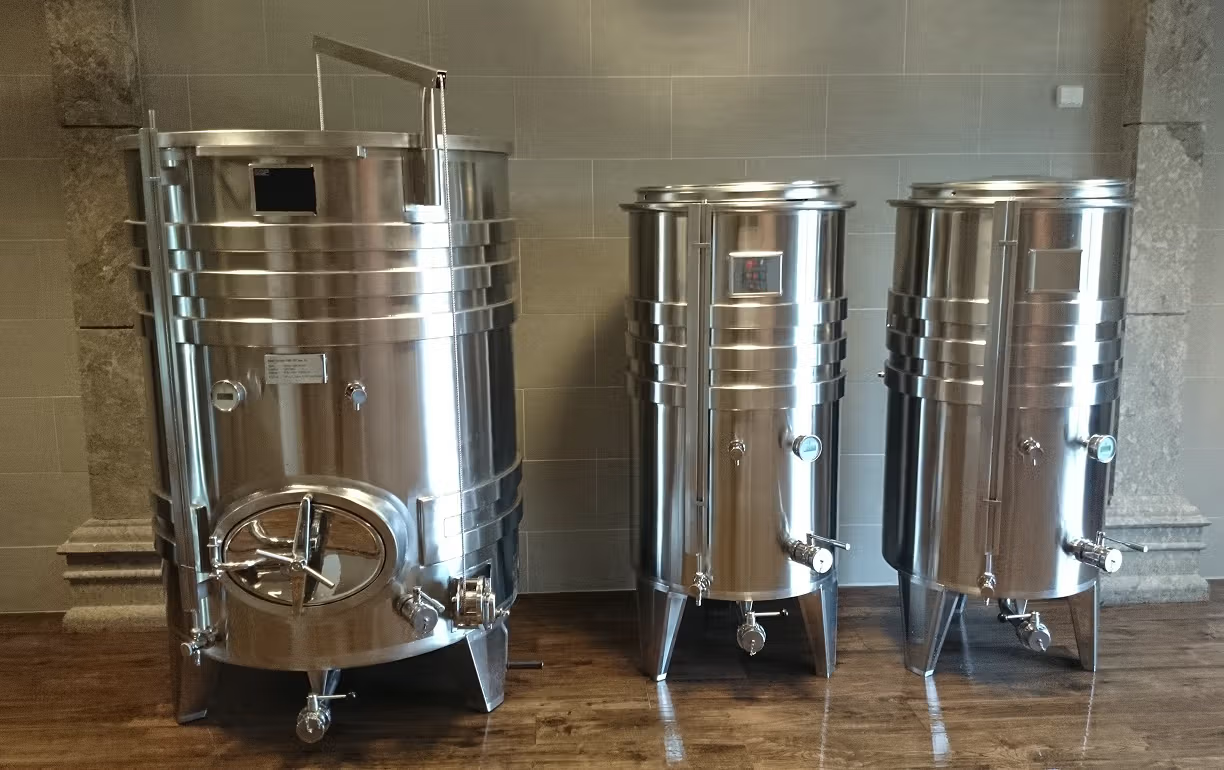
- Variable capacity tanks for partial volumes
- Conical or sloped bases for easy drainage and cleaning
The right configuration ensures smooth transfers, efficient cleaning, and minimal wine loss during racking or bottling preparation.
Cleaning and Hygiene Considerations
Cleanliness is essential when storing finished or near-finished wine. Any contamination at this stage can compromise an entire batch. High-quality wine storage tanks are designed for easy and thorough cleaning.
Important hygiene features include:
- Integrated CIP spray balls
- Smooth internal welds and polished surfaces
- Fully drainable bases
- Accessible manways for inspection
Routine cleaning and inspection help maintain tank integrity and protect wine quality throughout storage.
Storage Tanks and Bottling Readiness
Wine storage tanks act as the final holding point before bottling, making them crucial for consistency and scheduling. A stable storage environment allows winemakers to bottle when the wine is ready, rather than rushing due to tank limitations.
Proper storage ensures:
- Uniform clarity across the batch
- Stable flavour and aroma
- Reduced sediment transfer during bottling
- Consistent carbonation for sparkling wines
By maintaining control at this stage, wineries protect the work done throughout the entire production process.
Conclusion
From fermentation through to bottling, wine storage tanks play a central role in preserving quality, stability, and consistency. Stainless steel tanks with effective oxygen control, temperature regulation, and hygienic design provide the ideal environment for wine during its final stages of production.
Investing in well-designed storage tanks helps wineries protect flavour, reduce risk, and maintain flexibility, ensuring that every bottle reflects the care and precision that went into creating it.
Looking for a stainless steel tank?