Variable Capacity Wine Tanks
Winemaking is a seasonal craft where flexibility and precision go hand in hand. Every vintage brings unique challenges, from variations in grape yield to the desired style of wine. This is where variable capacity wine tanks come into their own. Designed to adapt to different batch sizes, these tanks help wineries maintain control and efficiency without compromising on quality.
Whether you are managing a small vineyard with fluctuating harvests or a larger operation handling multiple varietals, variable capacity tanks offer the versatility needed to produce consistently excellent wine year after year.
What Are Variable Capacity Wine Tanks?
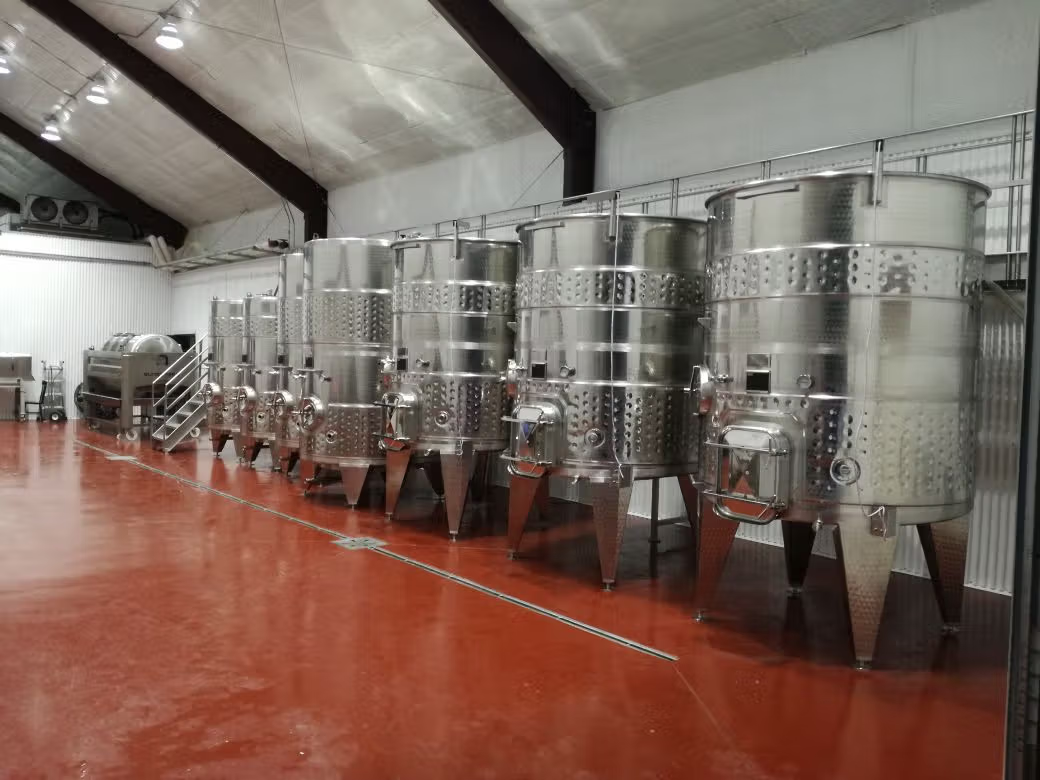
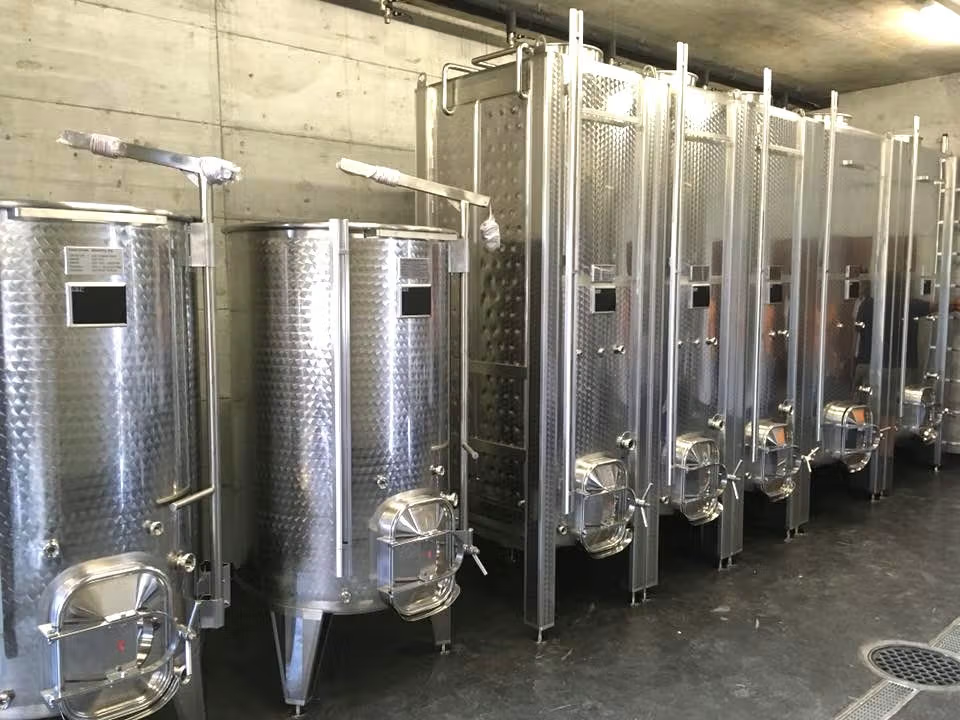
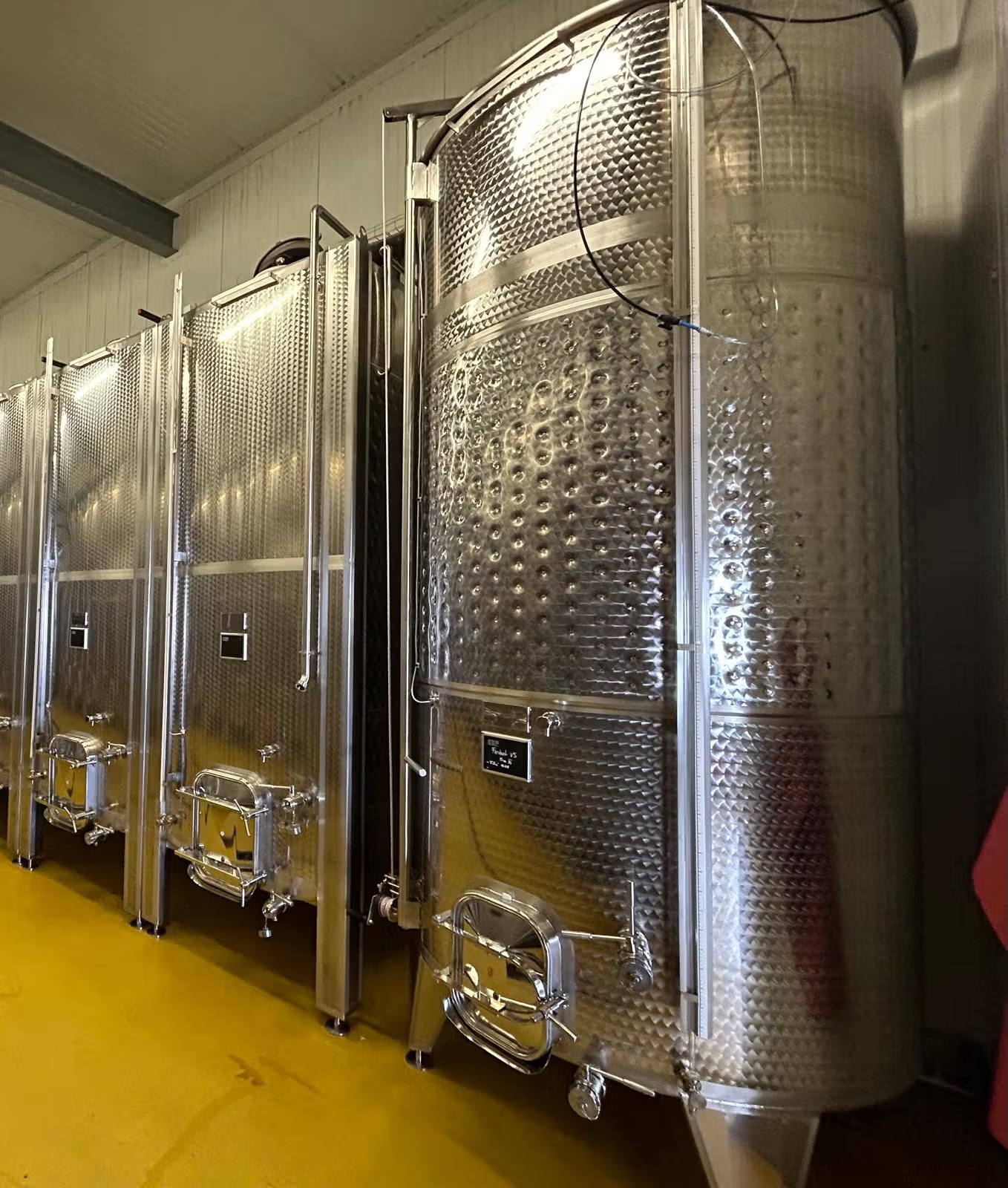
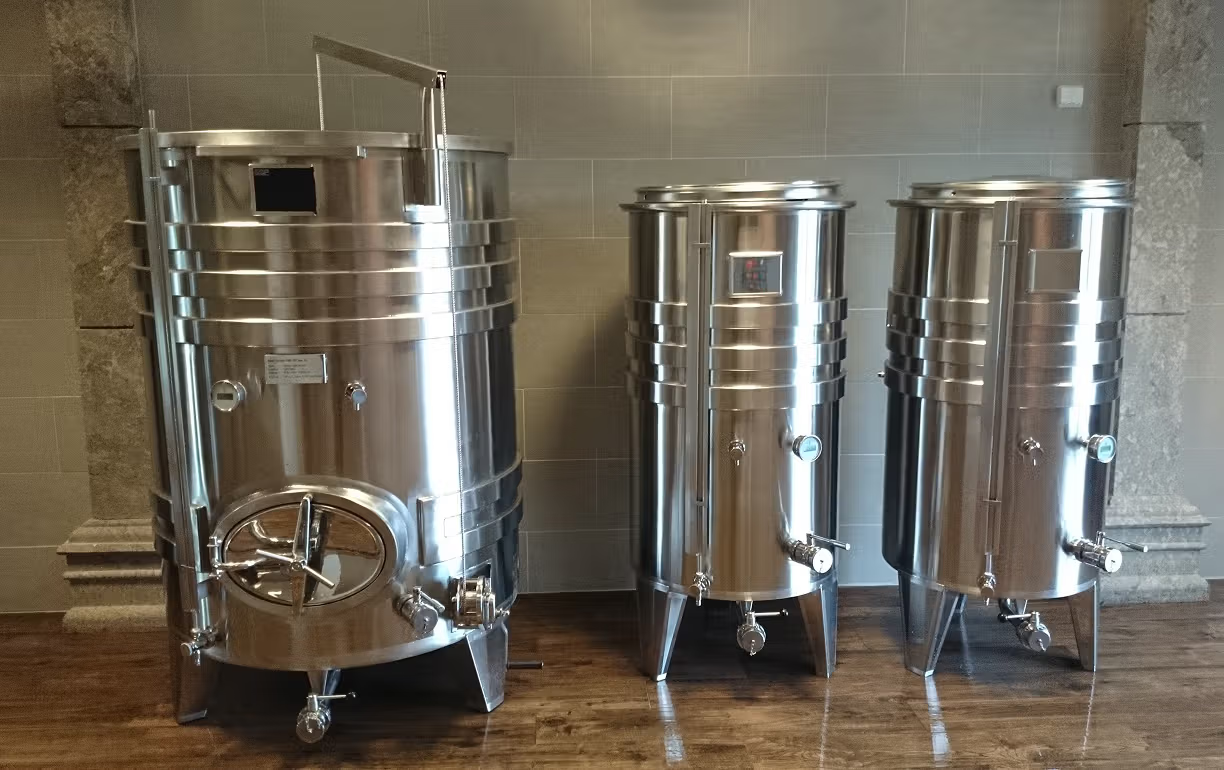
A variable capacity wine tank is a stainless steel vessel with an adjustable floating lid that can be raised or lowered depending on the volume of wine inside. The lid is sealed with an inflatable gasket, preventing oxygen from entering and protecting the wine from spoilage during storage or fermentation.
This simple yet ingenious design allows winemakers to use the same tank for varying batch sizes, eliminating the need to fill the vessel completely. The result is reduced waste, better oxygen control, and far greater flexibility in production planning.
Why Wineries Choose Variable Capacity Tanks
Traditional fixed-capacity tanks must be filled close to the top to minimise oxygen exposure. For wineries with variable harvests or experimental micro-batches, this can be limiting. Variable capacity tanks solve that problem, offering the ability to work efficiently with any volume of wine.
They are ideal for:
- Small or growing wineries managing different grape varieties
- Research and development batches for testing new blends or techniques
- Storage and maturation of partial volumes between transfers
- Seasonal operations where tank usage fluctuates throughout the year
By using variable capacity wine tanks, producers can respond quickly to production changes, control costs, and avoid dedicating valuable floor space to multiple fixed tanks.
Material and Construction
Most variable capacity wine tanks are made from 304 or 316 stainless steel, both food-grade alloys offering exceptional durability, corrosion resistance, and hygiene.
- 304 stainless steel is the standard choice for most wineries, delivering excellent value and resistance to wine acids.
- 316 stainless steel is preferred where higher acidity or stronger cleaning agents are used, offering additional protection.
The interior is typically polished to a smooth or mirror finish, ensuring easy cleaning and preventing bacterial build-up. Some tanks also feature integrated cooling jackets, allowing precise temperature control during fermentation or cold stabilisation.
How Variable Capacity Tanks Work
At the heart of a variable capacity tank is the floating lid, usually made of stainless steel or food-grade plastic. Once the wine has been filled to the desired level, the lid is lowered onto the surface, and the inflatable gasket (or air seal) is pumped to create an airtight closure.
This design ensures that no air remains between the lid and the liquid surface, preventing oxidation and preserving freshness. The lid can easily be raised when more wine is added or removed entirely when the tank is cleaned.
Many tanks also include:
- Sampling valves for testing and analysis
- Thermowells and sensors for monitoring temperature
- Drain valves and conical bases for easy emptying
- CIP fittings for automated cleaning
Temperature Control and Fermentation
Although variable capacity tanks are often used for wine storage and ageing, many wineries also employ them for fermentation, particularly with small batches. When paired with a cooling jacket, these tanks allow precise temperature regulation throughout the fermentation process.
Maintaining an even temperature is vital for controlling yeast activity and preserving delicate aromas. The flexibility to ferment or store in the same vessel helps streamline workflow and reduce transfers, improving overall efficiency.
Cleaning and Maintenance
Ease of cleaning is another key advantage of variable capacity wine tanks. The wide openings, smooth interior welds, and removable components make it simple to perform thorough cleaning between uses.
Look for tanks with:
- CIP spray balls for efficient internal washing
- Drainage-optimised bases for full liquid removal
- Polished internal finishes to minimise residue build-up
- Durable air seals that can be easily replaced when worn
Proper maintenance ensures long-term reliability and preserves hygiene standards, which are essential for consistent wine quality.
Advantages of Variable Capacity Tanks
The main benefit of variable capacity tanks is their adaptability. They give winemakers the freedom to manage changing volumes without needing multiple vessels of different sizes.
Key advantages include:
- Reduced oxidation risk thanks to airtight sealing
- Flexible batch management for different grape varieties and vintages
- Cost savings through multipurpose use
- Efficient space management in smaller wineries
- Ease of cleaning and maintenance for high hygiene standards
This level of flexibility makes them particularly attractive for wineries producing small or diverse runs, where consistency and control are just as important as efficiency.
In Conclusion
For wineries that value flexibility, precision, and efficiency, variable capacity wine tanks are an invaluable addition to the production line. Their adaptable design supports everything from fermentation to long-term storage, ensuring that every litre of wine is protected from oxidation and handled under optimal conditions.
As wine production continues to evolve, these tanks provide a practical, scalable solution that meets the demands of both traditional and modern winemaking. Whether you are producing a few hundred litres or several thousand, variable capacity tanks offer the confidence and control needed to bring out the best in every vintage.
Looking for a stainless steel tank?