Wine Fermentation Tanks
The choice of wine fermentation tanks plays a vital role in shaping the flavour, aroma, and overall quality of the finished wine. Whether you’re managing a boutique vineyard or scaling up a commercial winery, the type of tank you choose directly affects temperature control, fermentation consistency, and even how easily the wine can be clarified and aged.
In this guide, we’ll explore the main considerations when selecting wine fermentation tanks, including tank materials, shape, cooling systems, and cleaning design, helping you make an informed investment for your winery.
The Role of Wine Fermentation Tanks in Winemaking
During fermentation, yeast converts natural grape sugars into alcohol, releasing heat and carbon dioxide. Controlling this process is crucial: too much heat can kill yeast or alter the wine’s profile, while too little slows fermentation. Wine fermentation tanks provide the perfect controlled environment to manage these conditions, ensuring consistent quality across batches.
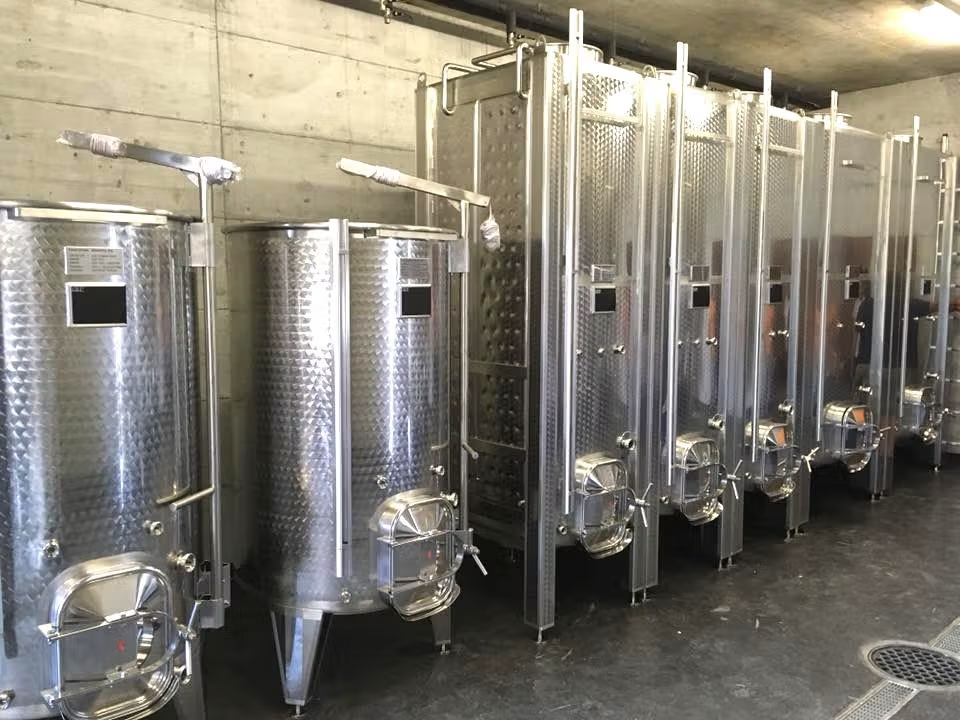
Most modern wineries use stainless steel fermentation tanks because they offer:
- Excellent hygiene and corrosion resistance
- Precise temperature control through integrated cooling jackets
- Easy cleaning and sanitisation between harvests
- Long lifespan and compatibility with automated systems
Compared with traditional wooden vats, stainless steel tanks allow winemakers to capture the pure varietal expression of the grape without unwanted microbial interference.
Choosing the Right Tank Material
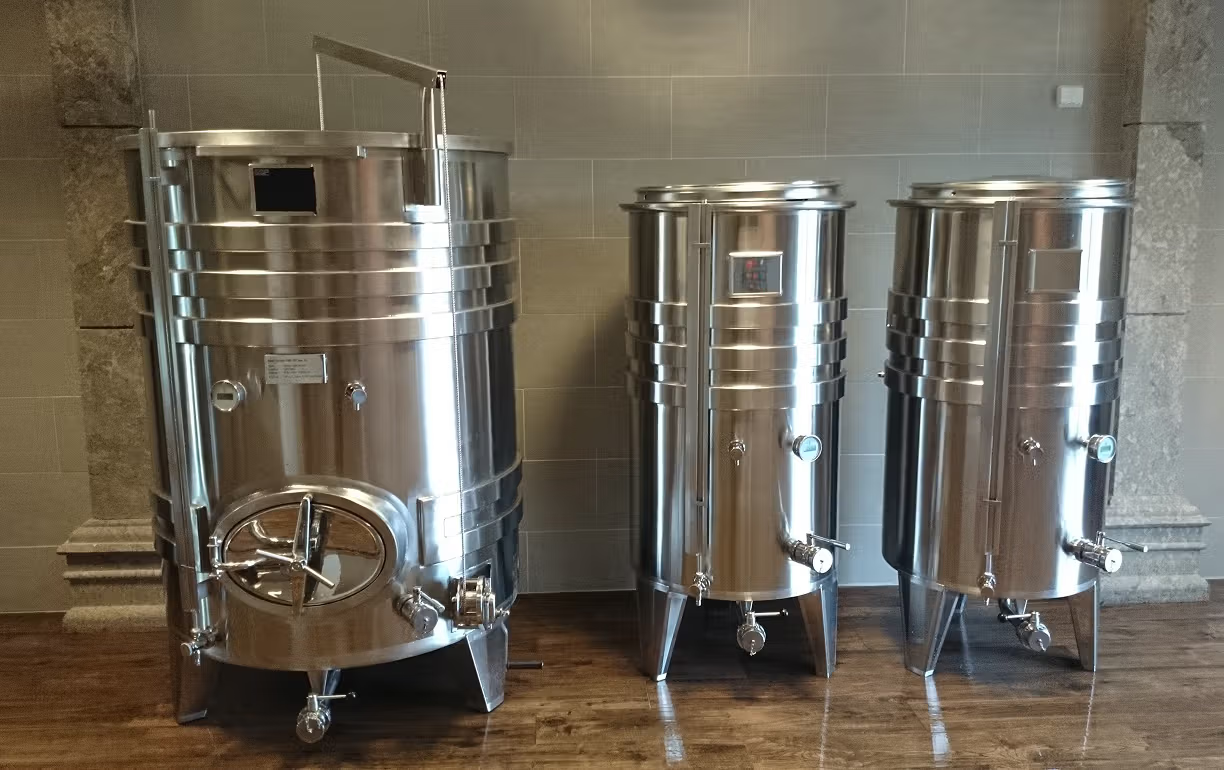
The majority of wine fermentation tanks are made from 304 or 316 stainless steel, both food-grade alloys known for their durability.
- 304 stainless steel: Ideal for most red and white wine fermentations, offering high corrosion resistance at a more economical price.
- 316 stainless steel: Contains added molybdenum, improving resistance to acidic or saline conditions, often preferred for wineries producing acidic wines or using aggressive cleaning agents.
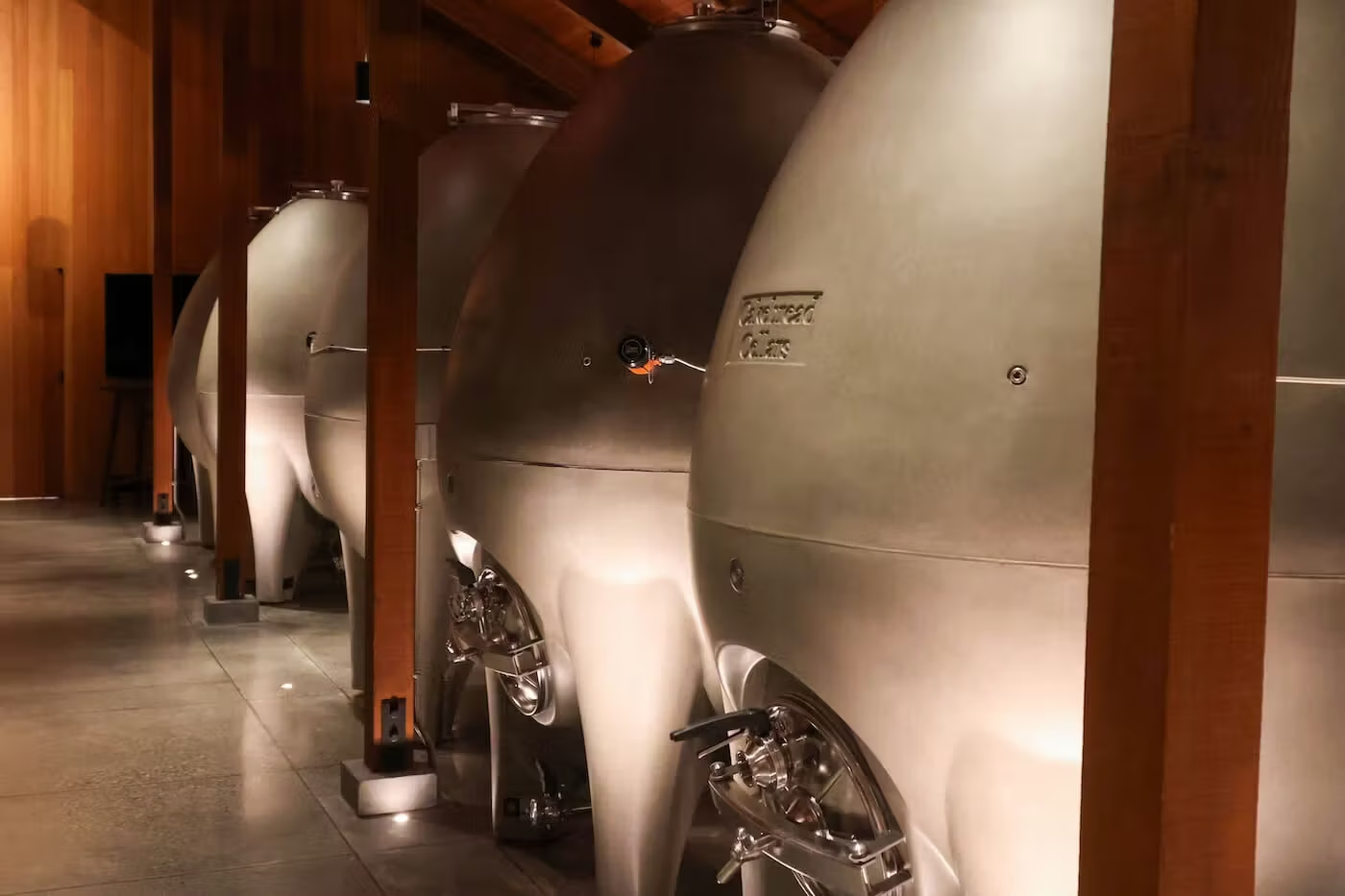
Some winemakers still use concrete or oak tanks for specific stylistic reasons. Concrete maintains stable fermentation temperatures and can encourage micro-oxygenation, while oak adds subtle flavour complexity. However, for hygiene, control, and scalability, stainless steel remains the industry standard.
Capacity and Tank Configuration
Capacity is one of the most important factors when selecting wine fermentation tanks. Winemakers typically size tanks based on grape intake, batch variation, and the desired level of production flexibility.
Smaller tanks (e.g. 1,000–5,000 litres) are perfect for:
- Limited batches or experimental wines
- Segregating grape varieties for blending later
- Maintaining control over small harvests
Larger tanks (10,000–50,000 litres or more) suit:
- Commercial-scale wineries with consistent production
- Streamlined operations with fewer transfers
- Efficient space usage and reduced energy consumption
When planning tank capacity, always allow headspace for foam and CO₂ release during vigorous fermentation. Variable-capacity tanks with floating lids are ideal for smaller wineries managing fluctuating batch sizes.
Temperature and Cooling Control
Fermentation generates heat, which can dramatically influence wine style and flavour. Red wines generally ferment at higher temperatures (24–30°C) to extract colour and tannin, while white wines are fermented cooler (12–18°C) to preserve aromatics.
High-quality wine fermentation tanks feature:
- Cooling jackets with glycol or chilled water circulation
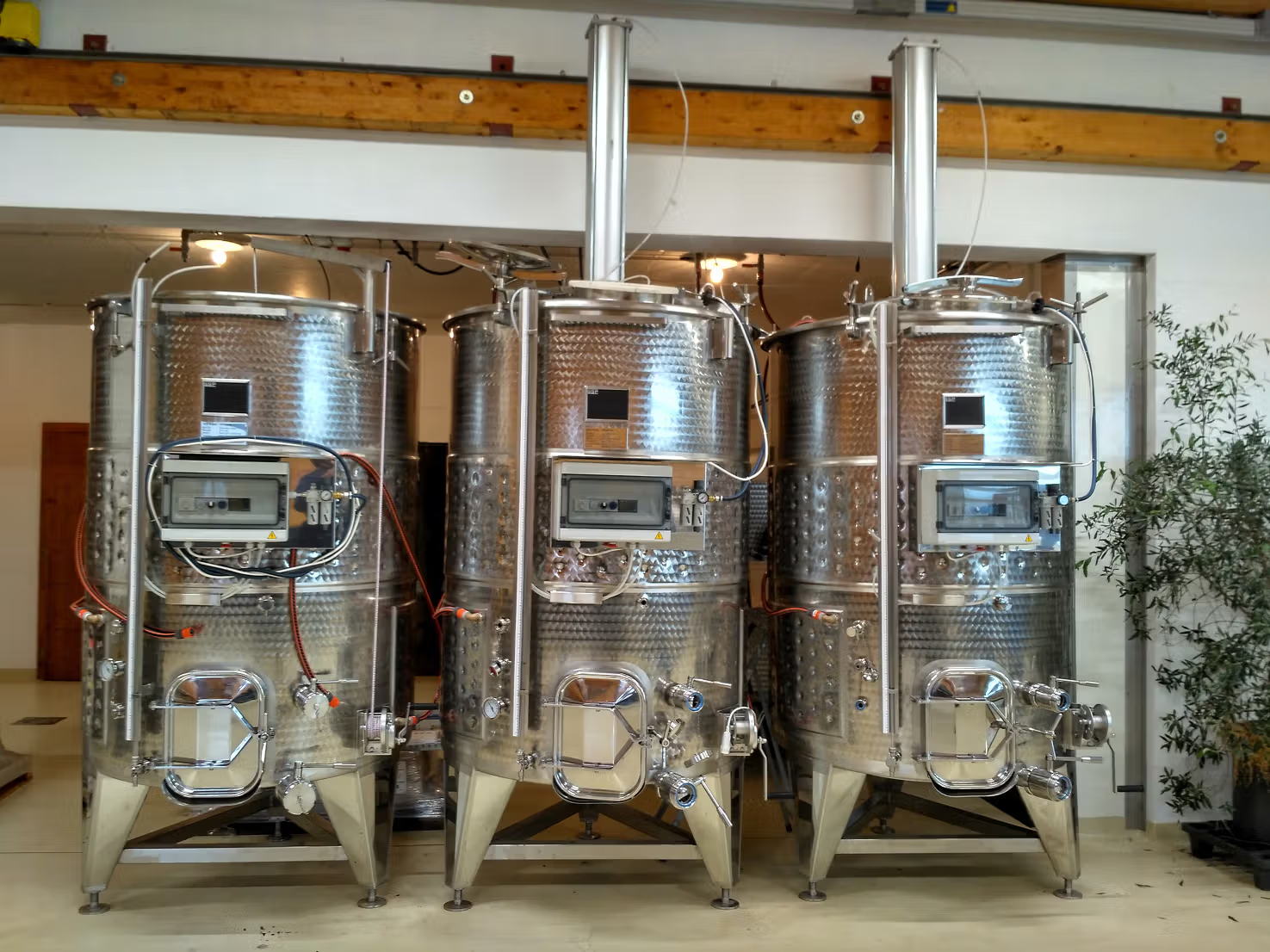
- Digital temperature control panels for real-time adjustments
- Insulated exteriors to maintain stable conditions
- Multiple cooling zones for precise regulation throughout the tank
This level of control allows winemakers to tailor fermentation profiles to each grape variety, resulting in a more consistent and refined product.
Shape and Design Features
Tank geometry influences how solids, skins, and yeast interact during fermentation.
- Cylindrical-conical tanks: The most common design, ideal for both red and white wines. The conical base simplifies lees removal and cleaning.
- Sloping or dish-bottom tanks: Useful for red wine fermentation, allowing easy racking and removal of skins.
- Rectangular tanks: Suitable for space-limited wineries or specific blending needs.
Other design features to consider:
- Manways and sampling valves for convenient access
- Integrated CIP (Clean-in-Place) systems for efficient sanitisation
- Agitators or mixers for uniform temperature and yeast distribution
Cleaning and Maintenance
Cleanliness is essential in winemaking. Even trace residues can introduce unwanted bacteria or off-flavours. Tanks with smooth internal welds, polished finishes, and integrated cleaning systems dramatically reduce contamination risks.
Look for:
- CIP spray balls for full-surface cleaning
- Scotch-Brite or mirror-polished interiors to prevent residue build-up
- Easy access valves and fittings for inspection and maintenance
Regular cleaning not only ensures wine quality but also extends the lifespan of your tanks.
Automation and Process Integration
Many modern wineries are adopting semi or fully automated fermentation control. Automated wine fermentation tanks can monitor and adjust temperature, pressure, and cap management in real time.
Benefits include:
- Reduced manual labour
- Improved repeatability
- Enhanced data collection for process optimisation
Automation also makes it easier to scale production while maintaining consistency across vintages.
In Conclusion
Selecting the right wine fermentation tanks is about more than capacity - it’s about control, cleanliness, and the ability to create wines that reflect your vineyard’s true character. Stainless steel tanks remain the most versatile choice for wineries seeking precision and efficiency, while modern cooling and automation features allow you to fine-tune every stage of fermentation.
A well-designed tank system is a long-term investment that will support consistent, high-quality wine production for years to come.
Looking for a stainless steel tank?