Concrete wine tanks
Material choice plays a defining role in winemaking. The vessel used for fermentation and storage influences temperature stability, oxygen exposure, flavour development, and overall wine character. While stainless steel has long been the industry standard, there is growing interest in alternatives such as concrete wine tanks, particularly among wineries seeking texture and complexity.
Each material offers distinct advantages, and the right choice depends on production goals, wine style, and operational priorities. This guide compares the most common options, with a closer look at how concrete wine tanks are being used in modern wineries alongside stainless steel and oak.
Why Tank Material Matters
Wine is highly sensitive to its environment. During fermentation and maturation, even small changes in oxygen exposure or temperature can affect the final result. The material of the tank determines how these variables are managed.
Key factors influenced by tank material include:
- Oxygen transfer and micro-oxygenation
- Temperature control and insulation
- Impact on flavour and aroma
- Ease of cleaning and hygiene
- Durability and long-term maintenance
Understanding how each material behaves allows winemakers to make more informed decisions based on the style of wine they want to produce.
Stainless Steel: Precision and Control
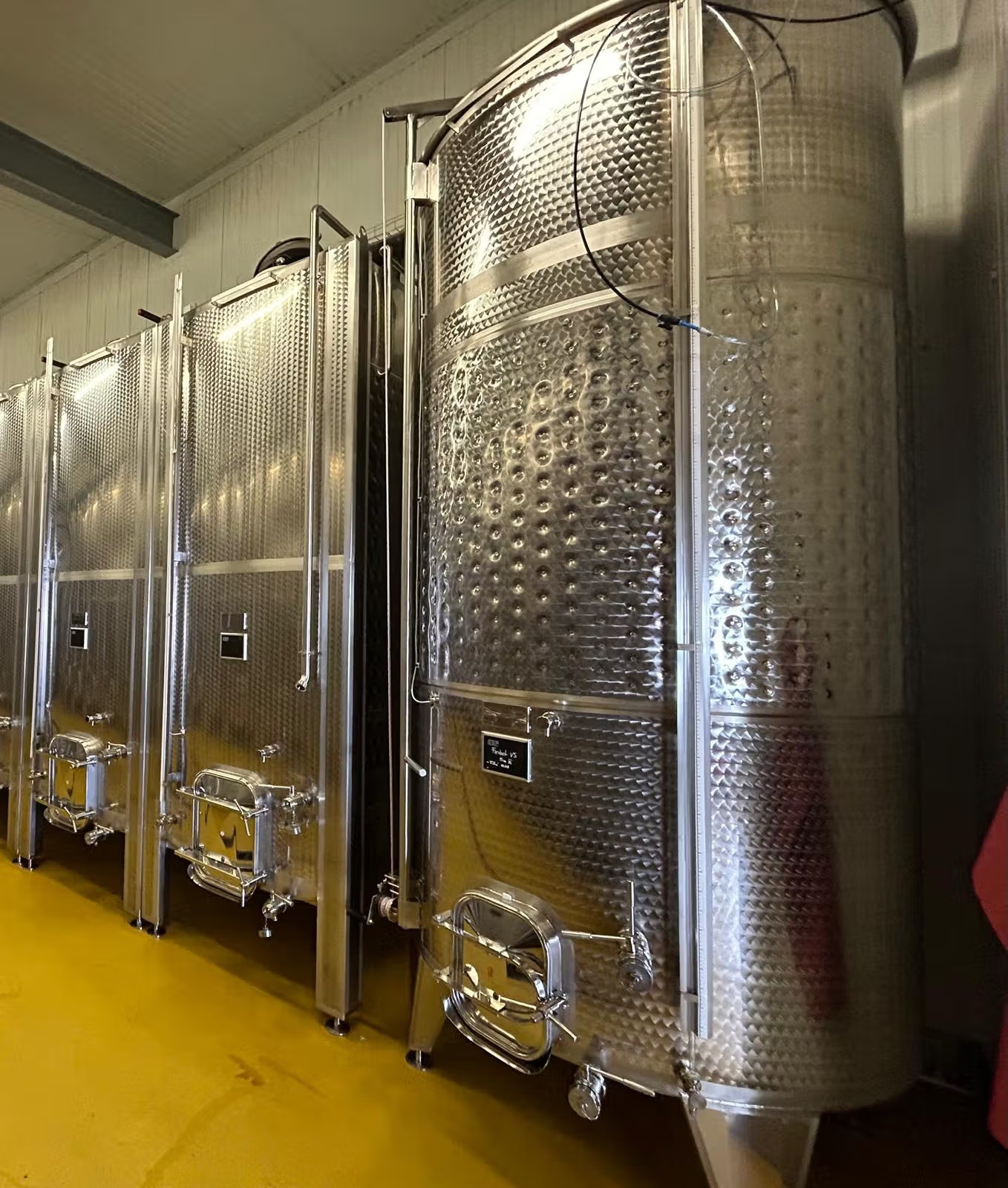
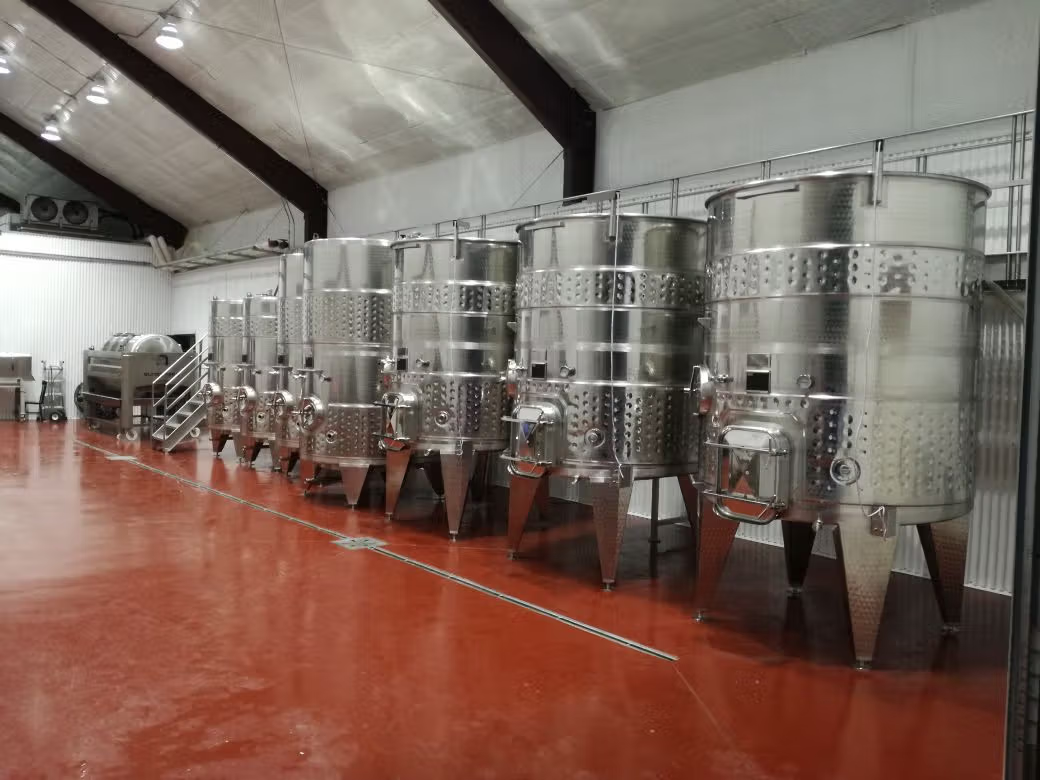
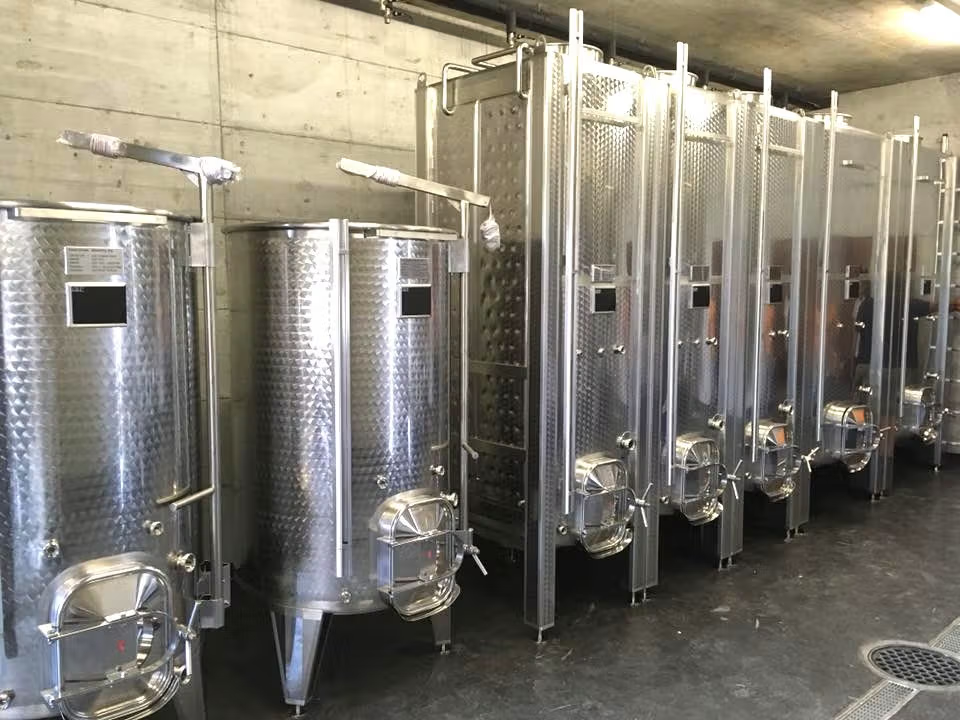
Stainless steel remains the most widely used material in winemaking due to its consistency and versatility. It is neutral, meaning it does not influence flavour, and it allows complete control over fermentation conditions.
Advantages of stainless steel include:
- Precise temperature control through cooling jackets
- Airtight environments that prevent oxidation
- Easy cleaning and high hygiene standards
- Flexibility across fermentation, storage, and blending
For wineries focused on fresh, fruit-driven wines or large-scale production, stainless steel offers unmatched reliability. It is particularly well suited to white wines, rosé, and aromatic styles where preserving primary fruit character is essential.
Concrete Wine Tanks: Balance and Texture
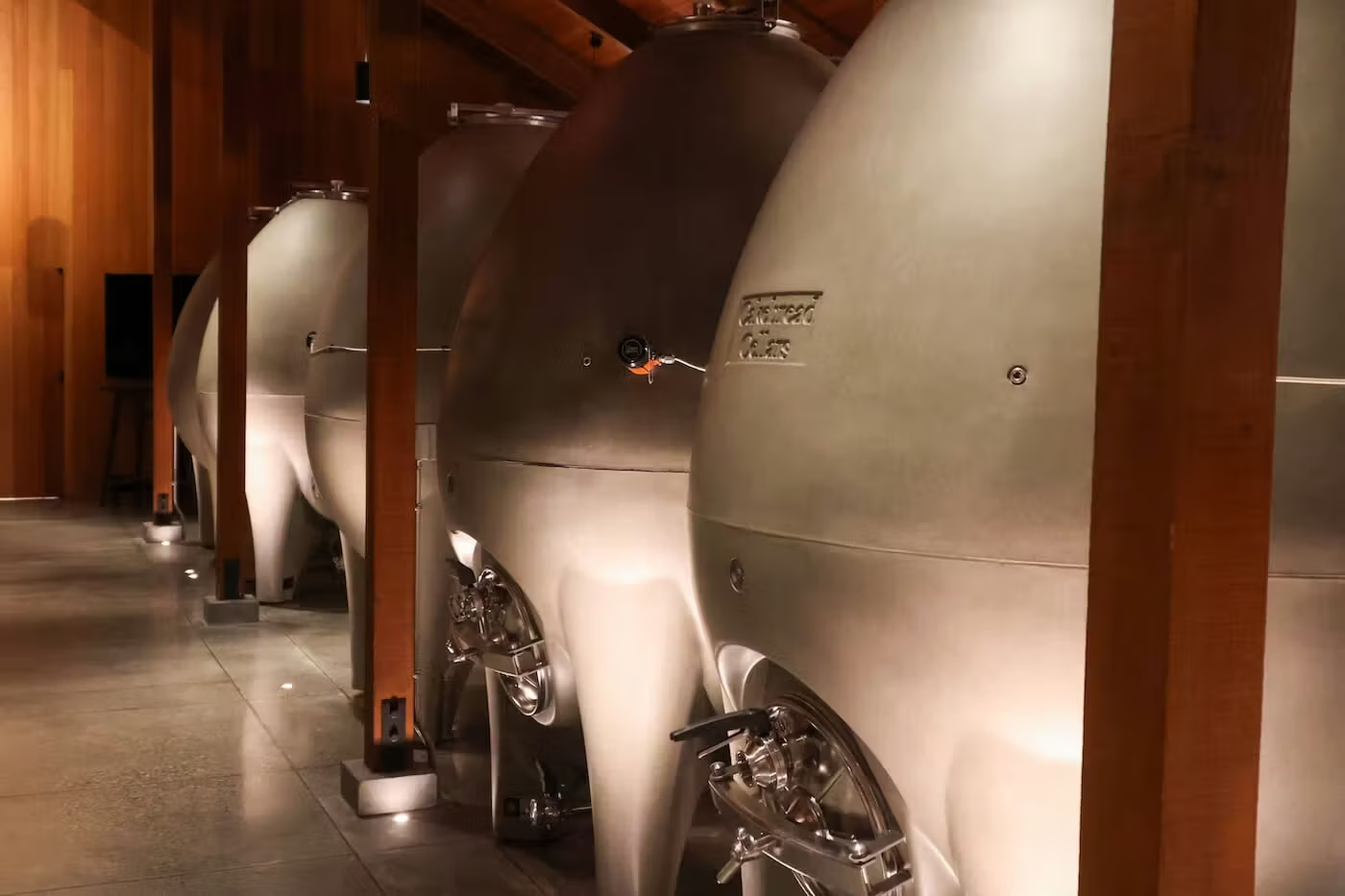
Concrete wine tanks are seeing renewed interest as winemakers look for ways to add texture and complexity without introducing oak flavour. Concrete is a porous material, allowing very slow oxygen exchange, which can soften tannins and enhance mouthfeel.
Key characteristics of concrete wine tanks include:
- Natural micro-oxygenation that supports gentle maturation
- Excellent thermal inertia, helping maintain stable temperatures
- Neutral flavour profile, unlike oak
- Ability to enhance texture and structure in both red and white wines
Concrete tanks are often used for wines where balance and mouthfeel are a priority. They are particularly popular for natural wines, minimal intervention styles, and certain premium white wines.
However, there are considerations:
- Cleaning can be more complex than stainless steel
- Surface coatings or linings may be required
- Less flexibility compared to fully jacketed steel tanks
Despite this, many wineries now use concrete wine tanks alongside stainless steel to achieve specific stylistic outcomes.
Oak Vessels: Tradition and Influence
Oak remains an important material, particularly for ageing. Unlike stainless steel and concrete, oak actively contributes flavour, adding notes such as vanilla, spice, and toast.
Benefits of oak include:
- Controlled oxygen exposure
- Flavour contribution and complexity
- Traditional appeal in premium wine production
However, oak requires careful management. Barrels must be maintained, replaced over time, and cleaned thoroughly. Oak is also less predictable than stainless steel and more expensive to scale.
For this reason, many wineries use oak selectively, often in combination with stainless steel or concrete wine tanks.
Comparing Temperature Control
Temperature stability is critical during fermentation. Stainless steel offers the highest level of control due to integrated cooling systems. Winemakers can adjust temperatures quickly and precisely, which is essential for consistent results.
Concrete, by contrast, has strong natural insulation. While it does not respond as quickly to temperature changes, it helps maintain stable conditions with less energy input. This makes concrete wine tanks particularly useful for slow, steady fermentations.
Oak provides minimal temperature control and is more influenced by ambient conditions, making it less suitable for primary fermentation in many modern wineries.
Hygiene and Maintenance
Hygiene is a key consideration when selecting tank materials. Stainless steel is the easiest to clean, thanks to its smooth, non-porous surface and compatibility with CIP systems.
Concrete requires more attention. While modern coatings improve cleanability, the material can still present challenges if not properly maintained. Regular inspection and correct cleaning procedures are essential when using concrete wine tanks.
Oak is the most demanding, as it can harbour bacteria if not carefully managed. This makes it less suitable for wineries prioritising strict hygiene control.
Flexibility in Modern Wineries
Many wineries now adopt a mixed approach, using different materials for different stages of production. Stainless steel provides control and efficiency, while concrete and oak are used to influence texture and complexity.
This hybrid approach allows winemakers to:
- Ferment in stainless steel for consistency
- Mature in concrete wine tanks for texture
- Age selectively in oak for added complexity
By combining materials, wineries can balance precision with character, creating wines that are both consistent and distinctive.
Conclusion
There is no single best material for winemaking, only the one that best suits the intended style and process. Stainless steel offers unmatched control and hygiene, while concrete wine tanks provide natural balance and texture. Oak adds complexity but requires careful handling.
For many modern wineries, the answer lies in combining these materials strategically. By understanding how each vessel influences the wine, producers can build a flexible system that supports both efficiency and creativity, delivering wines that stand out in an increasingly competitive market.
Looking for a stainless steel tank?