Cider Fermentation Vessels
Fermentation is where cider truly comes to life. It is the stage where apple juice is transformed into a balanced, aromatic alcoholic drink, and it requires careful control to achieve consistent results. The equipment used during this phase plays a decisive role, which is why cider fermentation vessels are such a critical investment for modern cider makers.
From managing temperature and yeast activity to protecting flavour and preventing contamination, fermentation vessels create the environment in which cider develops its character. This article explores how well-designed cider fermentation vessels support quality, efficiency, and repeatability throughout the fermentation process.
The Role of Fermentation Vessels in Cider Production
During fermentation, yeast converts sugars into alcohol and carbon dioxide, generating heat and complex flavour compounds along the way. This activity must be carefully controlled to avoid off-flavours, stalled fermentations, or loss of freshness.
Cider fermentation vessels are designed to:
- Maintain stable fermentation temperatures
- Allow controlled release of carbon dioxide
- Protect cider from oxygen exposure
- Support yeast health and performance
- Provide a hygienic, easy-to-clean environment
Without the right vessel design, even high-quality juice and yeast can produce inconsistent or flawed cider.
Why Stainless Steel Is the Preferred Material
Most professional cideries use stainless steel fermentation vessels due to their durability, hygiene, and neutrality. Cider is naturally acidic, so resistance to corrosion is essential for long-term performance.
Key advantages of stainless steel include:
- Non-reactive surfaces that preserve apple flavour
- Smooth, non-porous interiors that resist contamination
- Compatibility with cooling jackets and automation
- Long service life with minimal maintenance
For most producers, 304 stainless steel is ideal, while 316 stainless steel offers additional protection where acidity or cleaning requirements are more demanding.
Temperature Control During Fermentation
Temperature is one of the most influential factors in cider fermentation. Too much heat can stress yeast and strip aromatics, while temperatures that are too low may slow or halt fermentation.
High-quality cider fermentation vessels often feature:
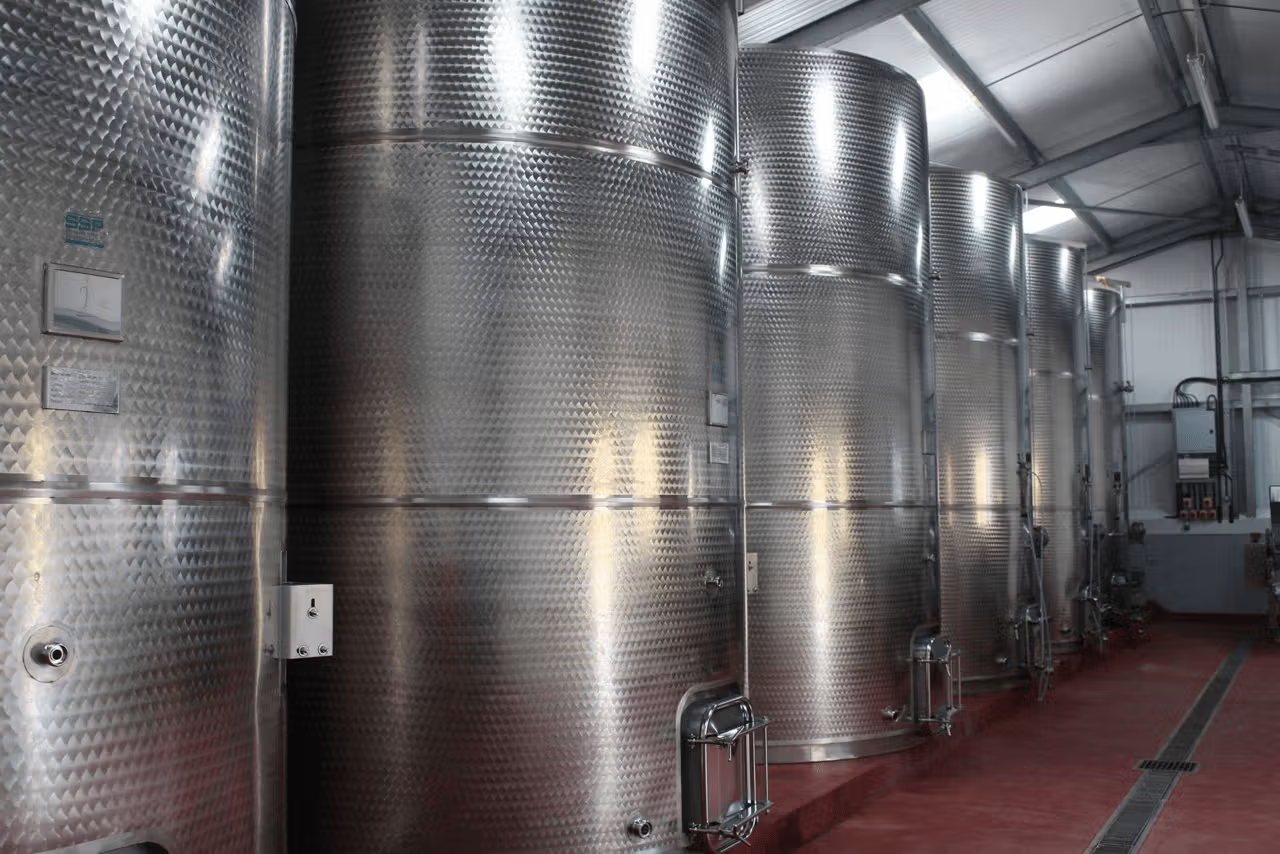
- Integrated cooling jackets
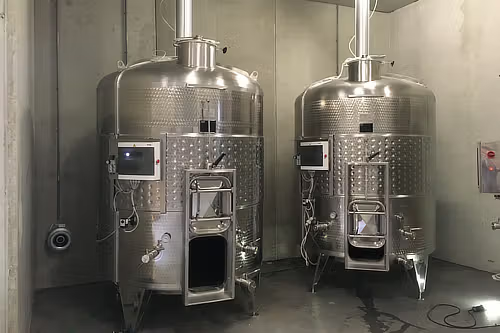
- Temperature probes for accurate monitoring
- Insulated exteriors for stable conditions
- Compatibility with glycol or chilled water systems
Controlled fermentation temperatures help maintain fresh apple aromas, balanced acidity, and consistent alcohol levels across batches.
Vessel Shape and Fermentation Performance
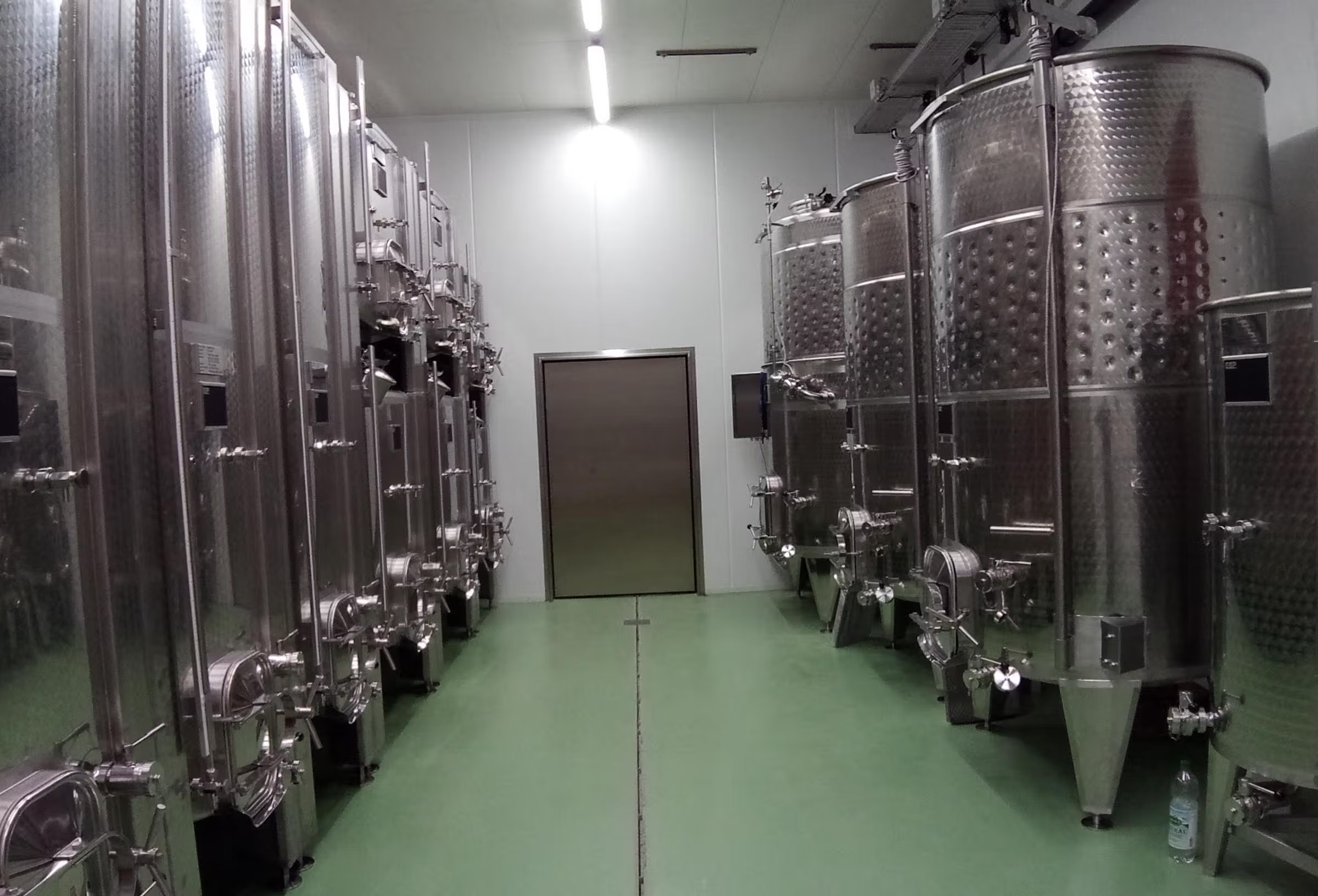
The shape of a fermentation vessel affects circulation, sediment behaviour, and ease of cleaning. Cylindrical vessels promote even temperature distribution, while conical bases allow yeast and solids to settle cleanly after fermentation.
Common design features include:
- Sloped or conical bases for efficient yeast removal
- Adequate headspace for foam and CO₂ release
- Sampling ports for monitoring fermentation progress
- Drain valves positioned for complete emptying
Thoughtful vessel geometry reduces handling, improves clarity, and simplifies post-fermentation processing.
Managing Carbon Dioxide and Pressure
As fermentation progresses, carbon dioxide must be safely released or controlled. Some cider fermentation vessels are pressure rated, allowing for partial natural carbonation while fermentation is still active.
Pressure-capable vessels offer:
- Reduced oxygen exposure
- Improved carbonation control
- Greater process flexibility
- Fewer transfers between tanks
This approach supports cleaner fermentations and helps preserve freshness before cider moves into conditioning or storage.
Hygiene and Cleaning Efficiency
Cleanliness is essential during fermentation, where residual sugars can encourage unwanted microbial growth. Well-designed cider fermentation vessels prioritise hygiene through smooth internal surfaces and effective cleaning systems.
Important features include:
- Polished internal finishes
- Integrated CIP spray balls
- Smooth welds and rounded corners
- Fully drainable bases
Efficient cleaning reduces downtime between batches and ensures fermentation starts in a controlled, sanitary environment every time.
Scalability and Production Flexibility
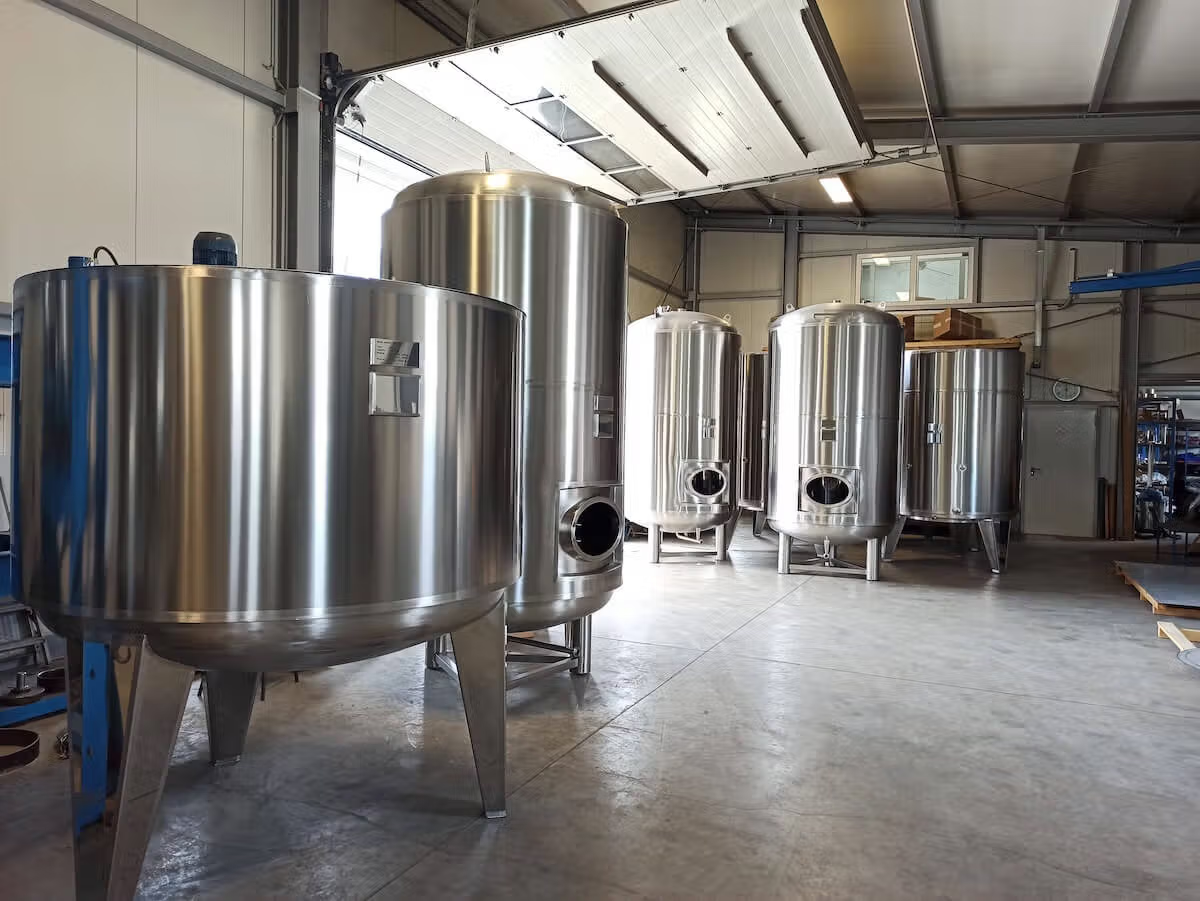
Cideries often experience seasonal production peaks and fluctuating volumes. Stainless steel fermentation vessels are available in a wide range of sizes, allowing producers to scale operations without sacrificing control.
Options such as variable capacity vessels and modular tank layouts provide flexibility for:
- Small experimental batches
- Multiple apple varieties or yeast strains
- Gradual production expansion
This adaptability makes stainless steel fermentation vessels suitable for both start-up cideries and established producers.
Conclusion
High-quality cider fermentation vessels are essential for producing clean, consistent, and characterful cider. By providing precise temperature control, hygienic conditions, and protection from oxygen, well-designed vessels create the ideal environment for fermentation.
For modern cider producers, investing in the right fermentation vessels improves efficiency, safeguards flavour, and supports long-term growth, ensuring every batch reaches its full potential.
Looking for a stainless steel tank?