Cider Fermentation Tanks
Producing high-quality cider relies on precision and consistency throughout fermentation. Whether you’re an artisan producer working with small batches or a large-scale cidery managing thousands of litres, the design and specification of your cider fermentation tanks have a direct impact on flavour, clarity, and efficiency.
From temperature control and hygiene to material selection and tank geometry, every detail influences the outcome. This guide explores how the right cider fermentation tanks help achieve uniform results across every batch, and why stainless steel has become the industry’s material of choice.
The Role of Cider Fermentation Tanks
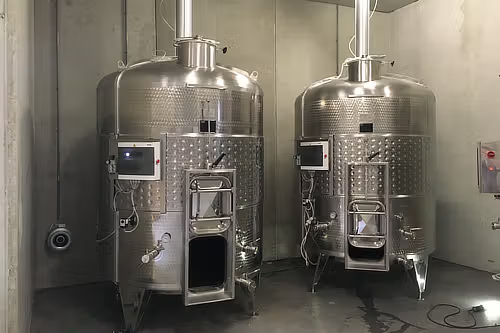
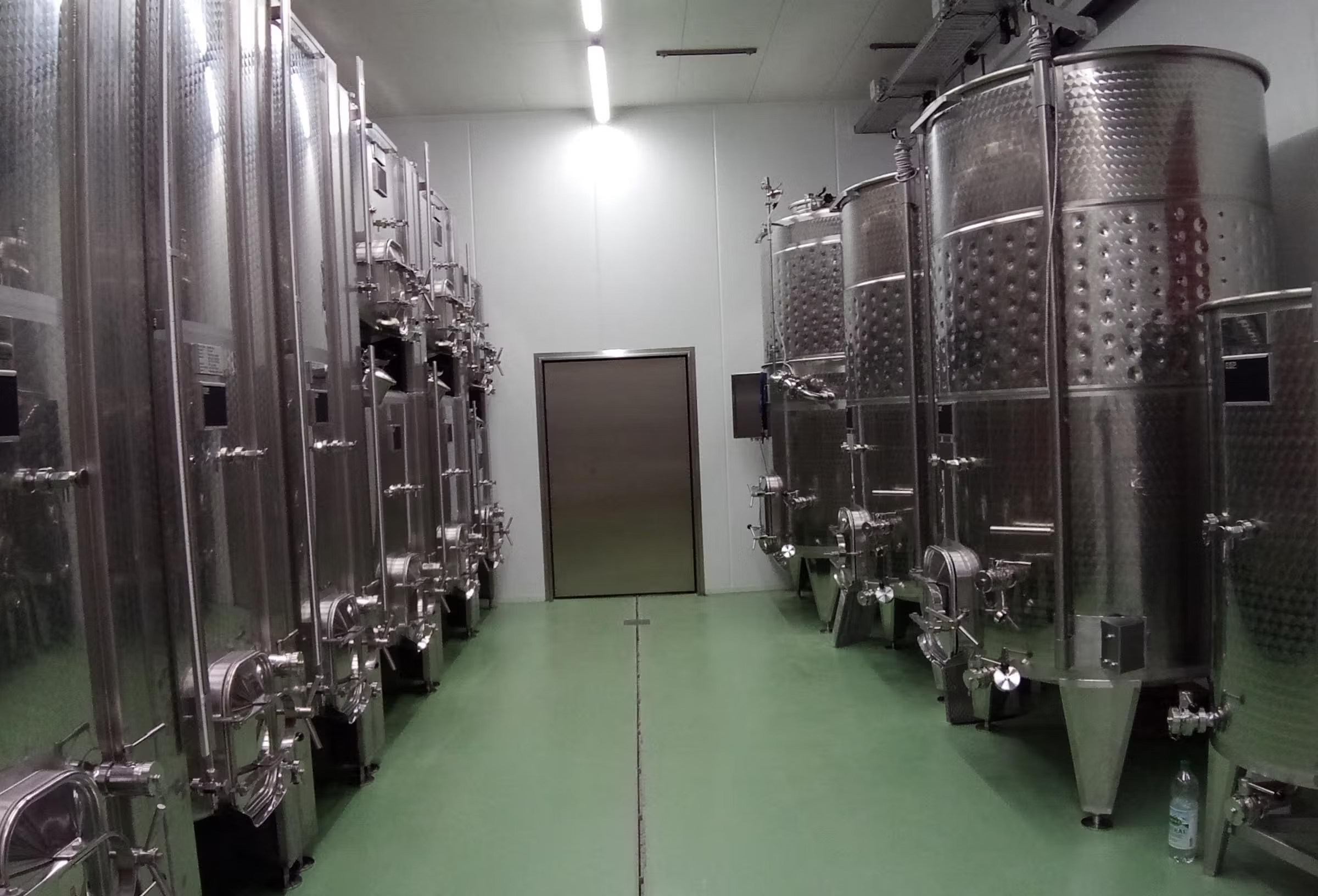
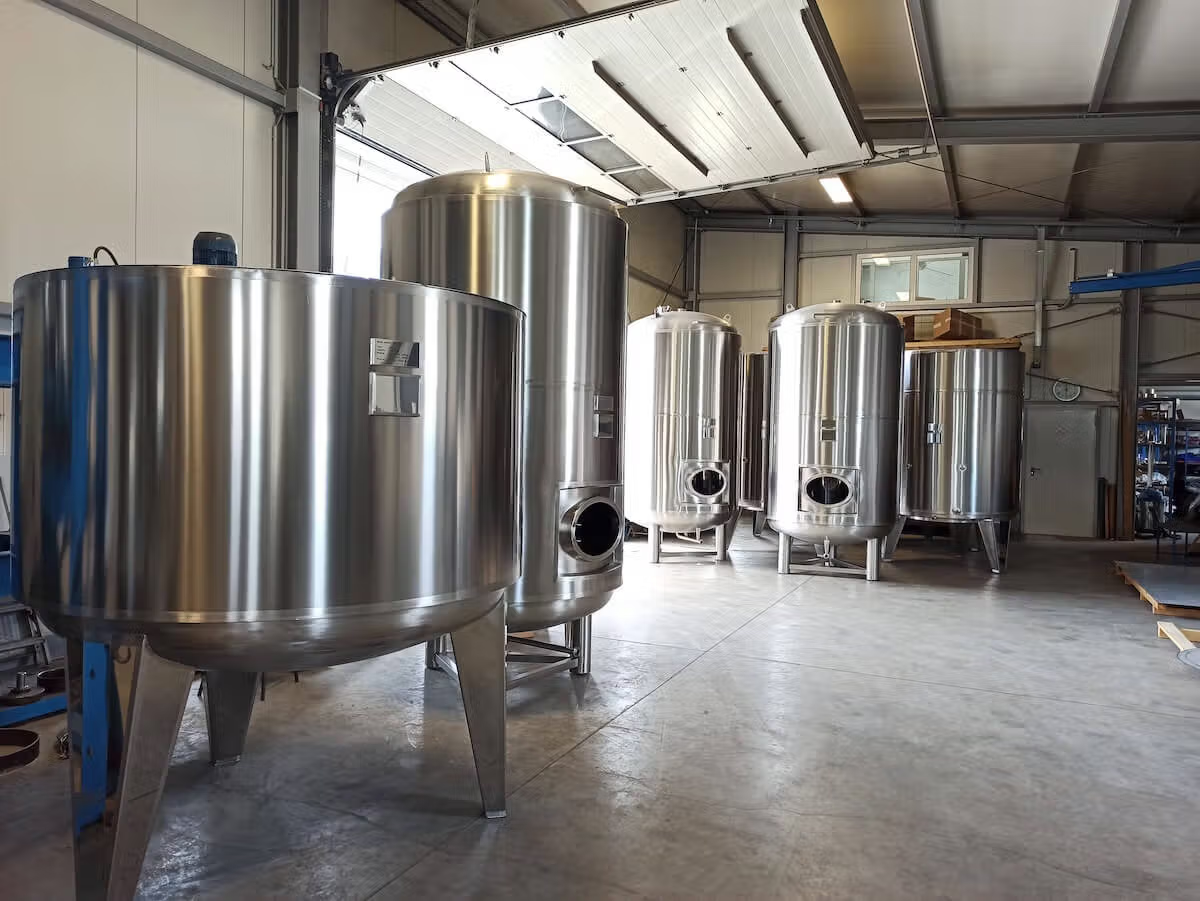
Fermentation is the transformative stage where apple juice becomes cider. Yeast converts natural sugars into alcohol and carbon dioxide, producing heat and complex flavour compounds along the way. Cider fermentation tanks provide a stable, hygienic environment for this process, giving cider makers full control over temperature, pressure, and contact with solids.
Modern tanks are typically stainless steel, which offers:
- Exceptional corrosion resistance against the natural acidity of apple juice
- Smooth, non-porous surfaces that prevent bacterial contamination
- Easy cleaning and sanitisation between batches
- Compatibility with temperature control systems for consistent fermentation
These benefits combine to ensure that each batch maintains its intended flavour profile, aroma, and alcohol content.
Choosing the Right Tank Material
When it comes to material, stainless steel remains the clear favourite for cider fermentation tanks, though not all grades are equal.
- 304 stainless steel – suitable for most cider production; durable, cost-effective, and resistant to standard cleaning agents.
- 316 stainless steel – offers enhanced protection against acids and chlorides, ideal for highly acidic ciders or where stronger cleaning chemicals are used.
Compared with traditional oak barrels, stainless steel tanks deliver superior hygiene and temperature control, making them essential for modern cider production at scale.
Tank Capacity and Configuration
Tank capacity influences workflow, efficiency, and flavour consistency. Smaller tanks (1,000–3,000 L) allow experimentation with different apple varieties or yeast strains, while larger tanks (10,000 L +) suit high-volume production and automated systems.
When sizing your cider fermentation tanks, consider:
- Fermentation time – slow, cold fermentations require longer tank occupancy.
- Headspace – essential for foam and CO₂ release during peak activity.
- Future growth – modular systems make expansion simpler without disrupting production.
Variable-capacity tanks with floating lids can be especially useful for smaller cideries dealing with fluctuating batch sizes.
Temperature and Cooling Control
Temperature is one of the most critical factors in cider fermentation. Cooler temperatures (10–16 °C) promote a clean, crisp finish, while warmer conditions encourage a fruitier, more aromatic cider.
The best cider fermentation tanks feature:
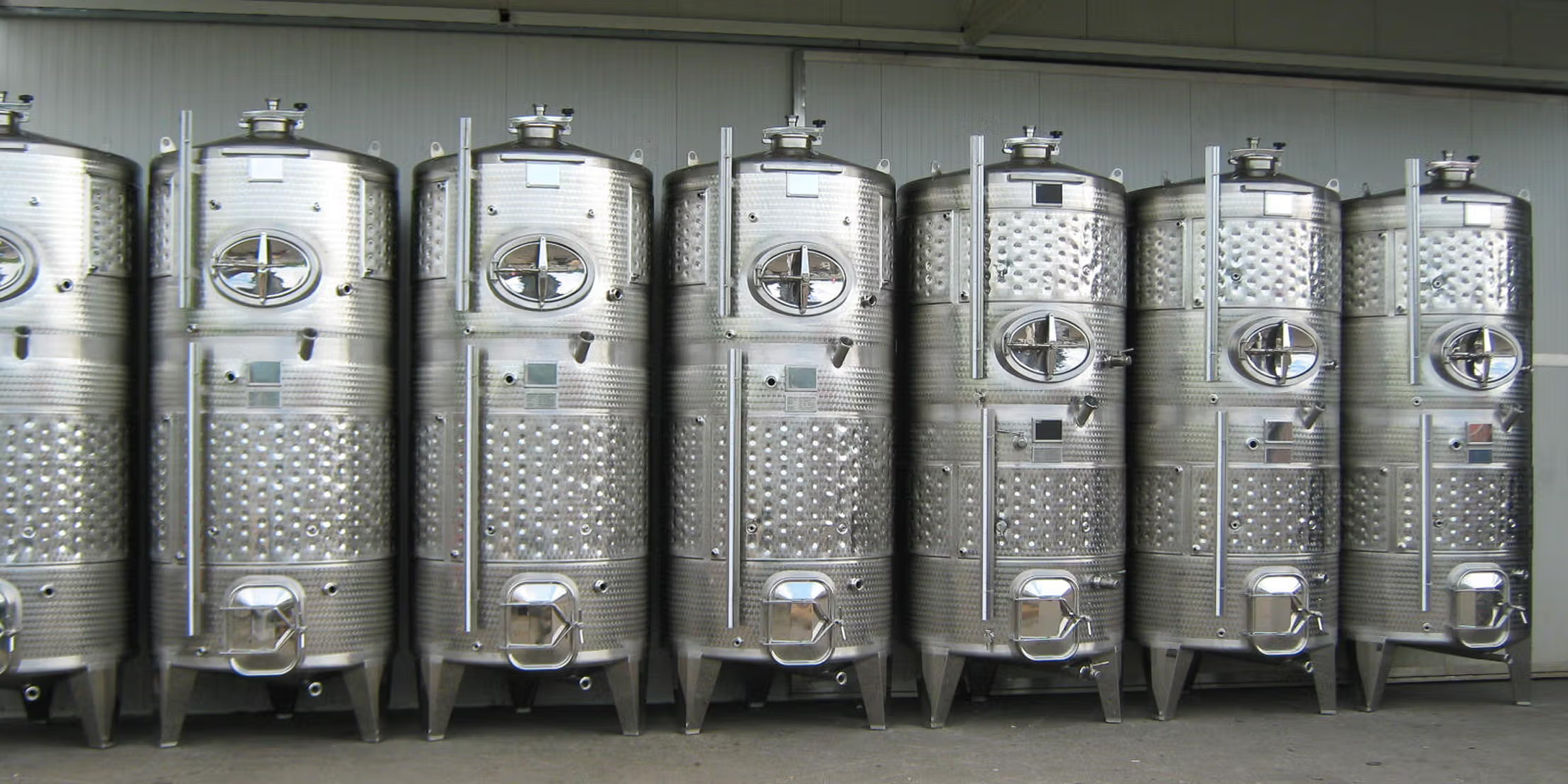
- Cooling jackets with glycol or chilled-water circulation
- Multiple temperature zones for even cooling
- Digital sensors and controllers for precise adjustments
- Insulated exteriors to reduce energy usage and maintain consistency
Reliable cooling ensures that fermentation proceeds at the ideal pace, preventing off-flavours and maintaining balance between sweetness and acidity.
Pressure Control and Carbonation
Many stainless steel cider fermentation tanks are designed as unitanks, meaning they can ferment and carbonate cider in a single vessel. These tanks are pressure-rated, allowing natural carbonation under controlled conditions.
Look for features such as:
- Pressure relief valves for safety
- Sampling ports for quality checks during fermentation
- Sight glasses for monitoring liquid levels and clarity
- Spunding valves to control CO₂ pressure and achieve precise carbonation levels
By managing pressure within the tank, cider makers can fine-tune carbonation naturally — improving mouthfeel and reducing the need for forced CO₂ injection later.
Cleaning and Maintenance
Hygiene is paramount in cider production. Residual sugars and acids can quickly lead to contamination if tanks aren’t properly cleaned. Tanks with smooth welds, rounded corners, and built-in cleaning systems save time and reduce risk.
Essential cleaning features include:
- CIP (Clean-in-Place) spray balls for 360-degree internal coverage
- Polished or Scotch-Brite finishes to prevent residue build-up
- Drainage-optimised bases for complete liquid removal
- Accessible fittings and manways for easy inspection
Routine cleaning ensures consistent cider quality and extends equipment lifespan.
Automation and Process Monitoring
Automation is becoming increasingly common in modern cideries. Integrated sensors and programmable logic controllers (PLCs) allow real-time monitoring of temperature, pressure, and fermentation progress.
Benefits of automated cider fermentation tanks include:
- Reduced manual intervention and labour costs
- Greater repeatability across multiple batches
- Data collection for continuous process improvement
- Early detection of temperature spikes or fermentation issues
Automation allows cider makers to maintain craftsmanship while improving efficiency and consistency.
Summary
Investing in the right cider fermentation tanks is essential for achieving precision, repeatability, and control in every batch. Stainless steel tanks offer the hygiene, durability, and temperature stability needed for consistent cider quality, from small artisanal operations to large commercial producers.
By paying attention to tank material, capacity, cooling, and process control, you’ll lay the foundation for cleaner fermentations, better flavour balance, and a more efficient production process.
Looking for a stainless steel tank?