Cider Conditioning Tanks
Conditioning is one of the most important steps in cider production. It is the stage where cider develops clarity, smoothness, and the right level of carbonation before it reaches the bottle, can, or keg. To achieve consistent results, cider makers rely on cider conditioning tanks, purpose-built vessels that provide a stable environment for maturing and polishing the final product.
Whether you are producing a sparkling, lightly carbonated, or still cider, conditioning tanks allow you to refine flavour, reduce sediment, and create a clean, refreshing finish. This guide explains how cider conditioning tanks work, why they are essential, and how they help you achieve reliable quality across every batch.
What Are Cider Conditioning Tanks
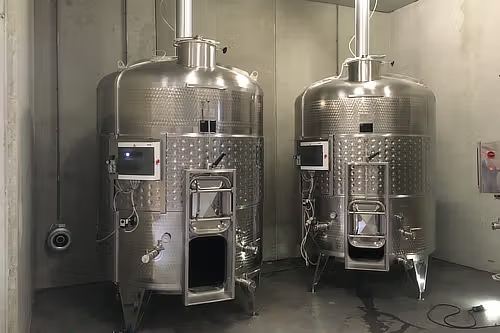
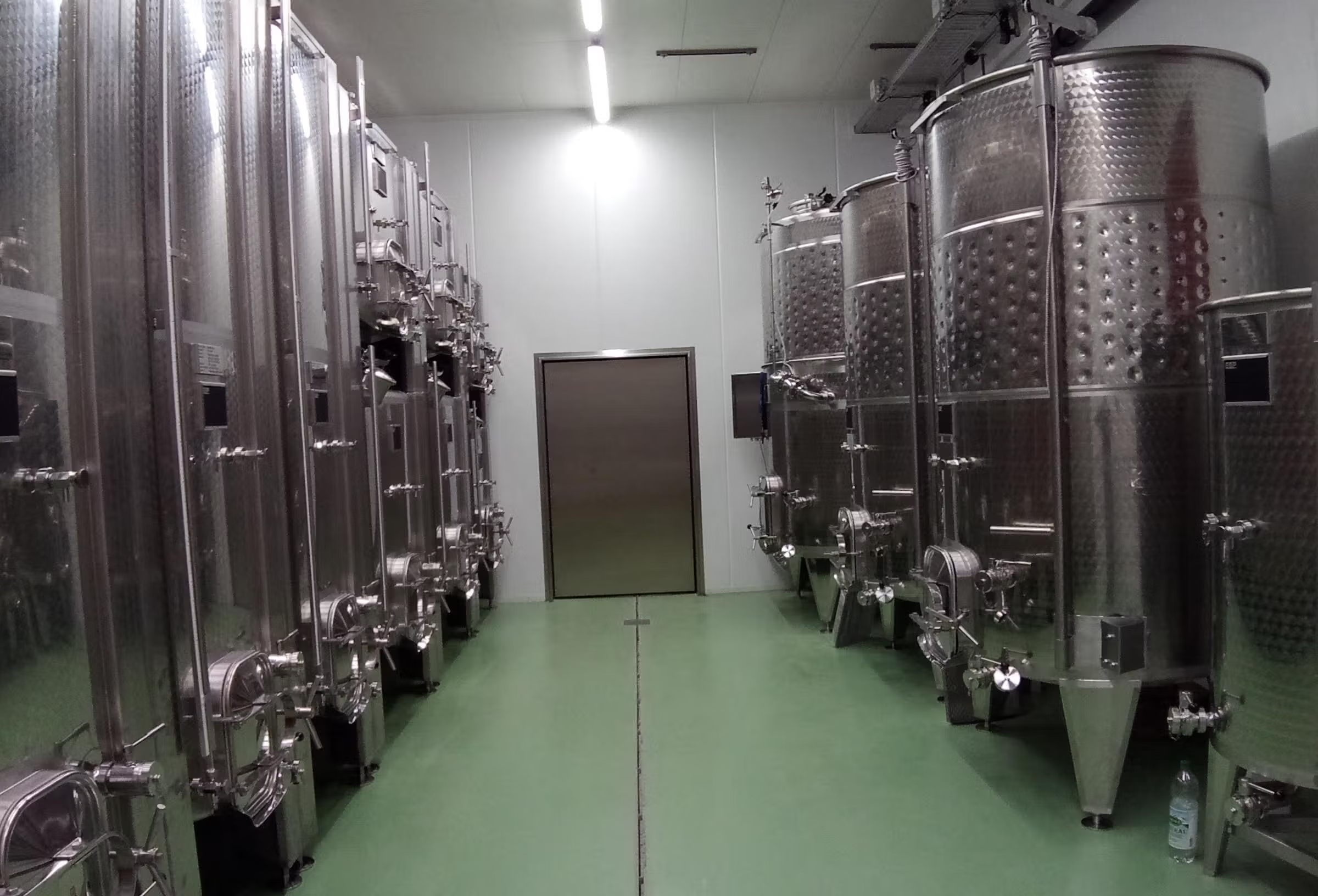
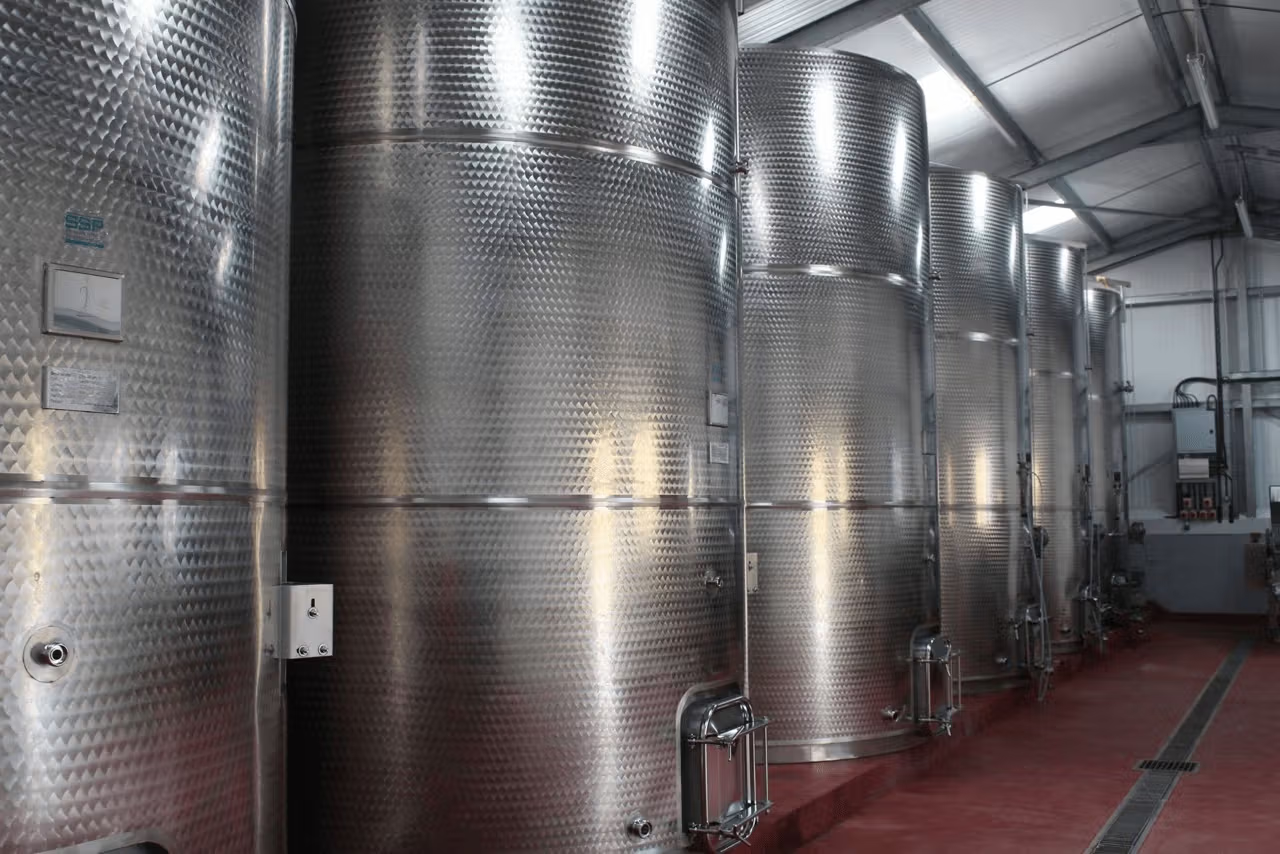
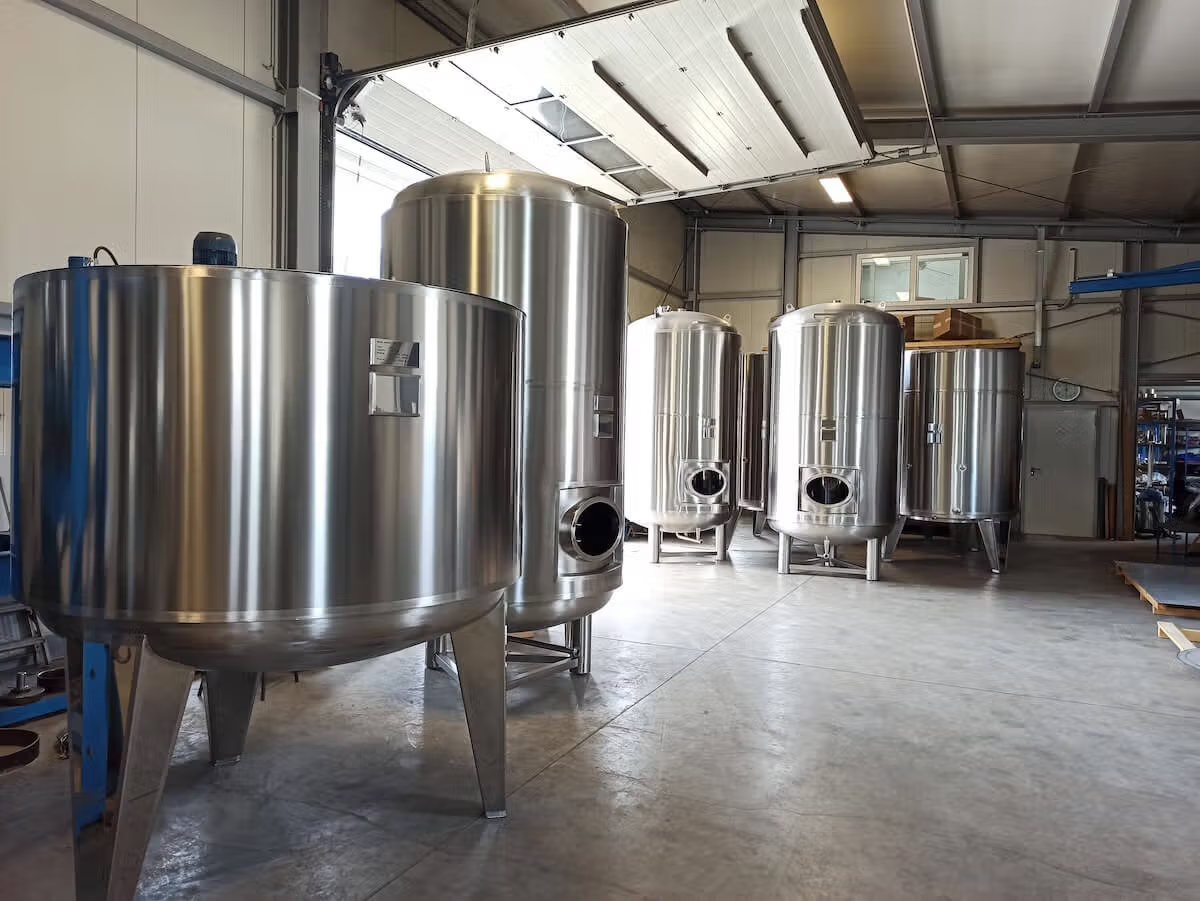
A cider conditioning tank, sometimes called a bright tank, is a stainless steel vessel designed for the final stages of cider preparation. After fermentation, cider is transferred into the conditioning tank to clarify, stabilise, and, if required, carbonate. These tanks are typically pressure rated, which allows cider makers to hold controlled levels of CO₂ in the liquid.
Conditioning tanks offer a controlled environment where suspended yeast and sediments can settle naturally or be removed through filtration. They also provide the ideal space for fine-tuning sweetness, acidity, carbonation, and flavour balance before packaging.
Why Stainless Steel Is the Best Choice
Most professional producers use stainless steel cider conditioning tanks because the material is hygienic, durable, and completely neutral. Cider has a naturally high acidity, so corrosion resistance is essential for long-term performance.
Advantages include:
- Smooth, non-porous surfaces that prevent bacterial growth
- Easy cleaning through CIP systems
- No absorption of flavours or aromas
- Resistance to acidic conditions
- Long service life with minimal maintenance
Both 304 and 316 stainless steel are commonly used. While 304 suits most applications, 316 offers added protection where stronger cleaning chemicals or high acidity are present.
Achieving Clarity During Conditioning
Achieving clarity is one of the main goals of conditioning. Even small amounts of suspended solids can affect appearance and stability. Cider conditioning tanks help improve clarity in several ways.
Producers often use:
- Cold crashing, lowering the cider temperature to encourage particles to settle
- Fining agents, which bind with haze-forming compounds
- Filtration systems, integrated or external, for a crystal-clear finish
- Racking ports, positioned to draw clear cider while leaving sediment behind
The design of a conditioning tank supports natural sedimentation by providing a still, temperature-controlled environment. With the right tank, cider can reach excellent clarity without excessive processing.
Carbonation Control and Pressure Management
Carbonation is one of the greatest advantages of conditioning tanks. Whether you are aiming for gentle effervescence or a lively sparkling cider, cider conditioning tanks allow precise control.
Pressure-rated tanks typically include:
- Spunding valves to regulate internal pressure
- Pressure relief valves to ensure safe operation
- Carbonation stones for fast and even absorption of CO₂
- Sight glasses to monitor clarity and volume
By carbonating directly in the tank, producers reduce oxygen exposure and avoid the risks associated with secondary transfers. This method results in more consistent carbonation levels and a fresher tasting product.
Temperature Control and Stability
Consistent temperature is essential for conditioning. Cooling jackets on cider conditioning tanks allow cider makers to chill the liquid to the ideal temperature for clarification and carbonation. Lower temperatures help stabilise the cider, reduce yeast activity, and improve CO₂ absorption.
Benefits of temperature-controlled conditioning include:
- Better flavour definition
- Improved clarity and stability
- Faster carbonation
- Reduced risk of spoilage
Insulated tanks help maintain stable temperatures without excessive energy use, supporting efficient conditioning cycles.
Cleaning and Hygiene
Cleanliness is critical during the final stages of cider preparation. Cider that has already been clarified or carbonated must not come into contact with contaminants. High-quality cider conditioning tanks are therefore built with hygiene in mind.
Look for tanks that offer:
- Integrated CIP spray balls for full internal cleaning
- Smooth internal welds and rounded corners
- Drainage bases designed for complete liquid removal
- Easy access manways for inspection
These features ensure the tank remains spotless between batches, protecting product quality and ensuring compliance with food safety standards.
How Conditioning Tanks Improve Product Quality
Conditioning tanks support consistency, efficiency, and premium flavour profiles. With the ability to clarify, carbonate, and stabilise cider in a single vessel, producers can shorten production time while improving the final result.
Key quality improvements include:
- Brighter, clearer cider
- Cleaner flavours with reduced yeast notes
- Stable carbonation
- Lower oxygen exposure
- Fewer transfers and reduced contamination risk
By refining cider at this stage, producers ensure that every batch is ready for packaging with maximum freshness and a stable shelf life.
Conclusion
From clarity to carbonation, cider conditioning tanks play a crucial role in shaping the final character of the cider. They give producers reliable control over the finishing process, ensuring consistent results, improved product stability, and a polished flavour profile. Whether you run a small craft cidery or a larger commercial operation, investing in high-quality conditioning tanks is one of the most effective ways to achieve exceptional cider with every batch.
Looking for a stainless steel tank?