Beer Storage Tanks
Once fermentation and conditioning are complete, beer enters a critical phase where its quality must be preserved until packaging. At this stage, flavour, carbonation, and clarity are already established, so the focus shifts to maintaining stability. This is where beer storage tanks play a vital role.
Well-designed storage tanks protect beer from oxygen, temperature fluctuations, and contamination. They provide a controlled environment that ensures the product remains consistent from the end of fermentation through to bottling, canning, or kegging.
The Role of Beer Storage Tanks in Brewing
Beer storage tanks are used to hold finished or near-finished beer before packaging or distribution. Unlike fermentation or conditioning tanks, their primary purpose is preservation rather than transformation.
High-quality beer storage tanks help brewers to:
- Maintain flavour and aroma stability
- Preserve carbonation levels
- Prevent oxidation and contamination
- Manage production schedules more effectively
- Ensure consistency across packaged batches
Without proper storage, even well-brewed beer can deteriorate quickly.
Preventing Oxidation and Maintaining Freshness
Oxygen is one of the biggest threats to beer quality after fermentation. Exposure to air can cause stale flavours, reduce hop character, and shorten shelf life. For this reason, beer storage tanks are designed to be fully sealed and, in many cases, pressure rated.
Key features that protect against oxidation include:
- Airtight construction with secure seals
- Pressure capability to maintain a closed environment
- CO₂ blanketing to displace oxygen
- Minimal headspace to reduce air contact
By limiting oxygen exposure, storage tanks help preserve the freshness and intended flavour profile of the beer.
Temperature Stability and Product Integrity
Temperature control remains important during storage. Even after fermentation is complete, fluctuations in temperature can affect carbonation, clarity, and overall stability.
Well-designed beer storage tanks often include:
- Cooling jackets for temperature regulation
- Insulated walls to maintain consistent conditions
- Temperature sensors for monitoring
Stable storage temperatures help maintain the beer’s balance and prevent unwanted changes before packaging.
Pressure Control and Carbonation Retention
Many beers are stored under pressure to maintain carbonation levels. Beer storage tanks that are pressure rated allow brewers to hold beer at the desired CO₂ level until it is packaged.
Benefits of pressure-controlled storage include:
- Consistent carbonation across batches
- Reduced need for additional CO₂ adjustment during packaging
- Lower risk of oxygen ingress
- Improved overall product stability
Maintaining carbonation in the storage tank ensures the beer is ready for packaging with minimal intervention.
Why Stainless Steel Is the Preferred Material
Stainless steel is the industry standard for beer storage tanks due to its strength, hygiene, and durability. It provides a neutral environment that does not affect the taste or aroma of the beer.
Key advantages include:
- Resistance to corrosion from acidic beer
- Smooth surfaces that support effective cleaning
- No flavour carryover between batches
- Compatibility with cooling and pressure systems
Most tanks are made from 304 stainless steel, with 316 stainless steel used where additional corrosion resistance is required.
Cleaning and Hygiene
Cleanliness is critical when storing finished beer. Any contamination at this stage can ruin an entire batch. High-quality beer storage tanks are designed for efficient cleaning and sanitisation.
Important hygiene features include:
- Integrated CIP spray balls for full internal coverage
- Smooth welds and polished interiors
- Fully drainable bases
- Easy access for inspection and maintenance
Regular cleaning ensures that storage tanks remain safe, hygienic, and ready for the next batch.
Tank Configuration and Brewery Layout
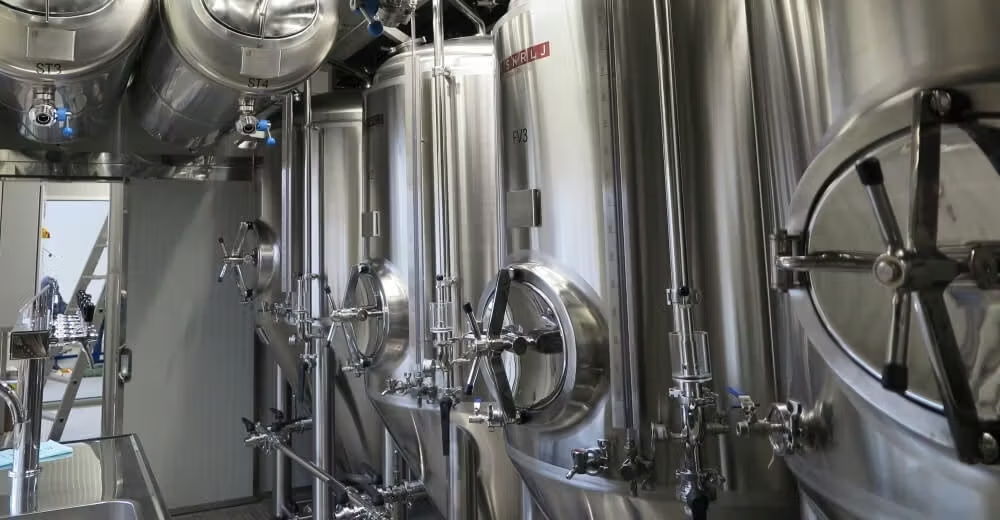
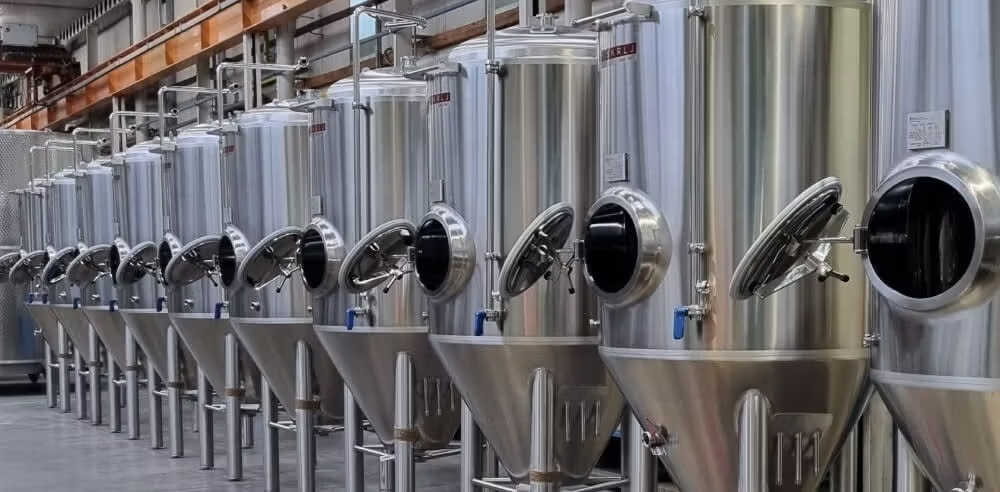
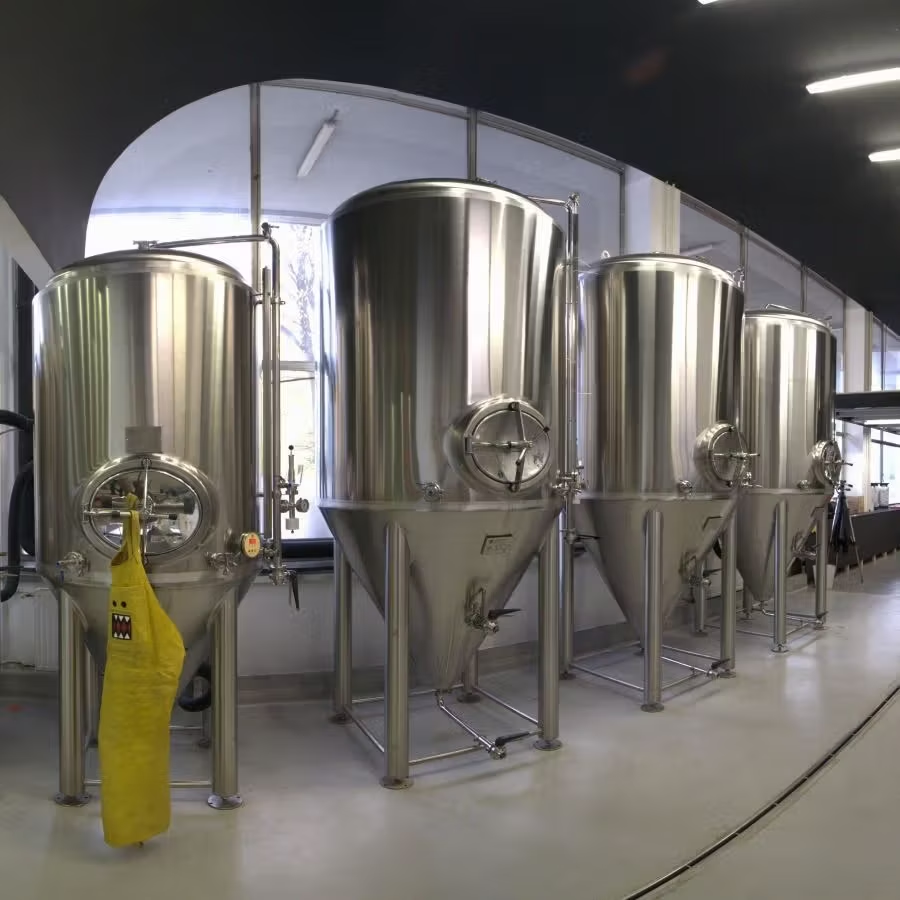
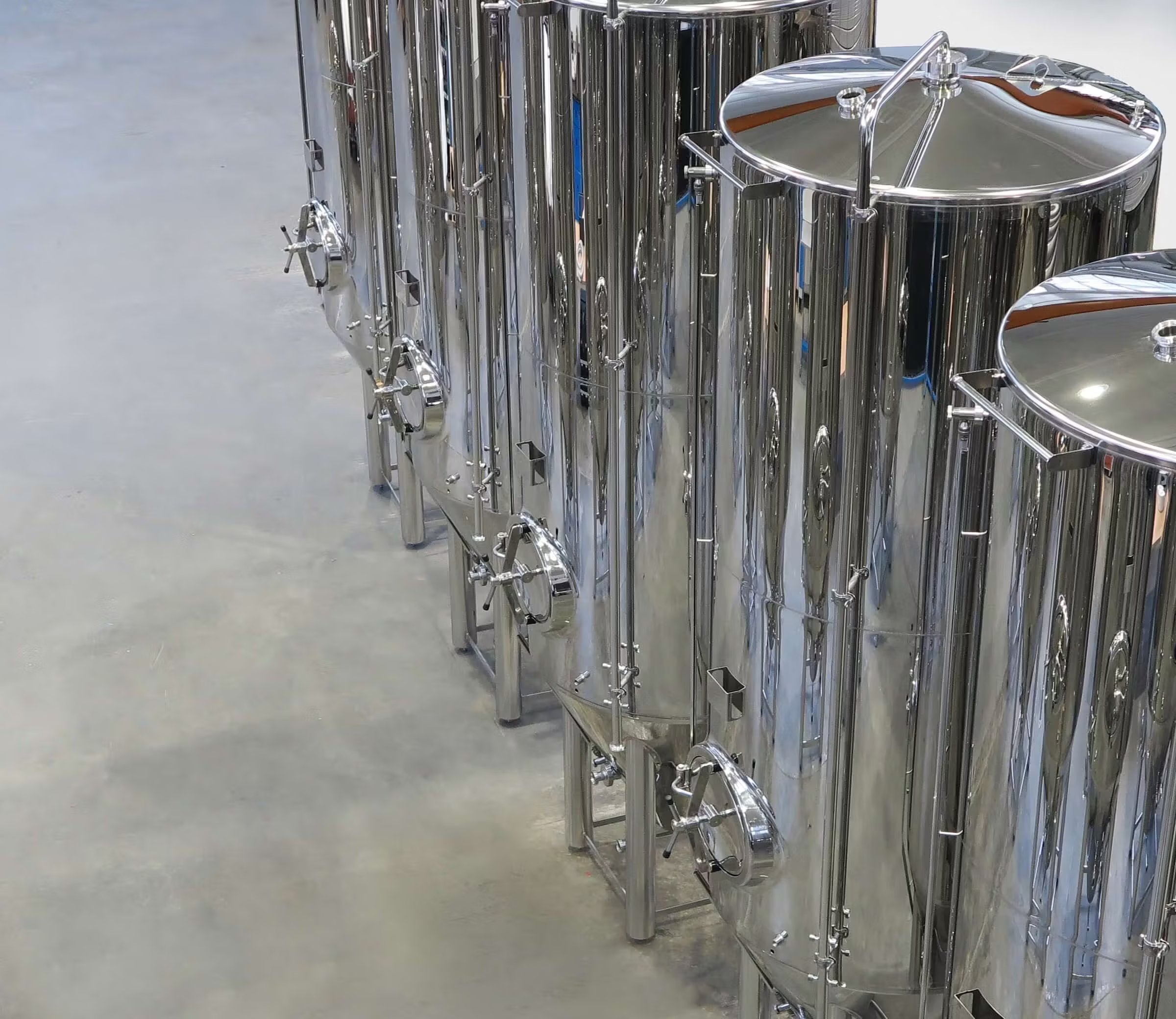
Beer storage tanks come in a range of sizes and configurations to suit different brewery setups. Vertical tanks are commonly used to maximise space, while horizontal tanks may be used in facilities with height restrictions.
Key considerations when selecting beer storage tanks include:
- Production volume and packaging capacity
- Available space within the brewery
- Integration with existing equipment
- Flexibility for future expansion
Choosing the right configuration ensures efficient workflow and minimal handling during transfer to packaging lines.
Supporting Efficient Packaging Operations
Storage tanks act as the final step before packaging, making them essential for smooth and consistent filling operations. A stable, well-maintained tank ensures that every bottle, can, or keg is filled with beer that meets the same quality standards.
Benefits include:
- Consistent clarity and carbonation
- Reduced sediment transfer
- Reliable flow rates during packaging
- Improved batch uniformity
By maintaining stability in storage, breweries can package with confidence and reduce product loss.
Conclusion
From the end of fermentation to the moment beer is packaged, beer storage tanks play a crucial role in maintaining quality and consistency. Their ability to control temperature, protect against oxygen, and preserve carbonation ensures that beer reaches the customer exactly as intended.
Investing in high-quality stainless steel storage tanks allows breweries to safeguard flavour, improve efficiency, and maintain the high standards expected in modern brewing.
Looking for a stainless steel tank?