Brewery Tanks
Brewing high-quality beer relies on precision at every stage of the process. From converting raw ingredients into wort through to fermentation, conditioning, and storage, each step requires carefully designed equipment. At the centre of it all are brewery tanks, which provide the controlled environments needed to produce consistent, great-tasting beer.
Whether you are a craft brewer scaling up production or an established brewery refining your process, understanding the role of different brewery tanks is essential. This guide explains the key types of tanks used in brewing and how they contribute to quality, efficiency, and repeatability.
The Role of Brewery Tanks in Beer Production
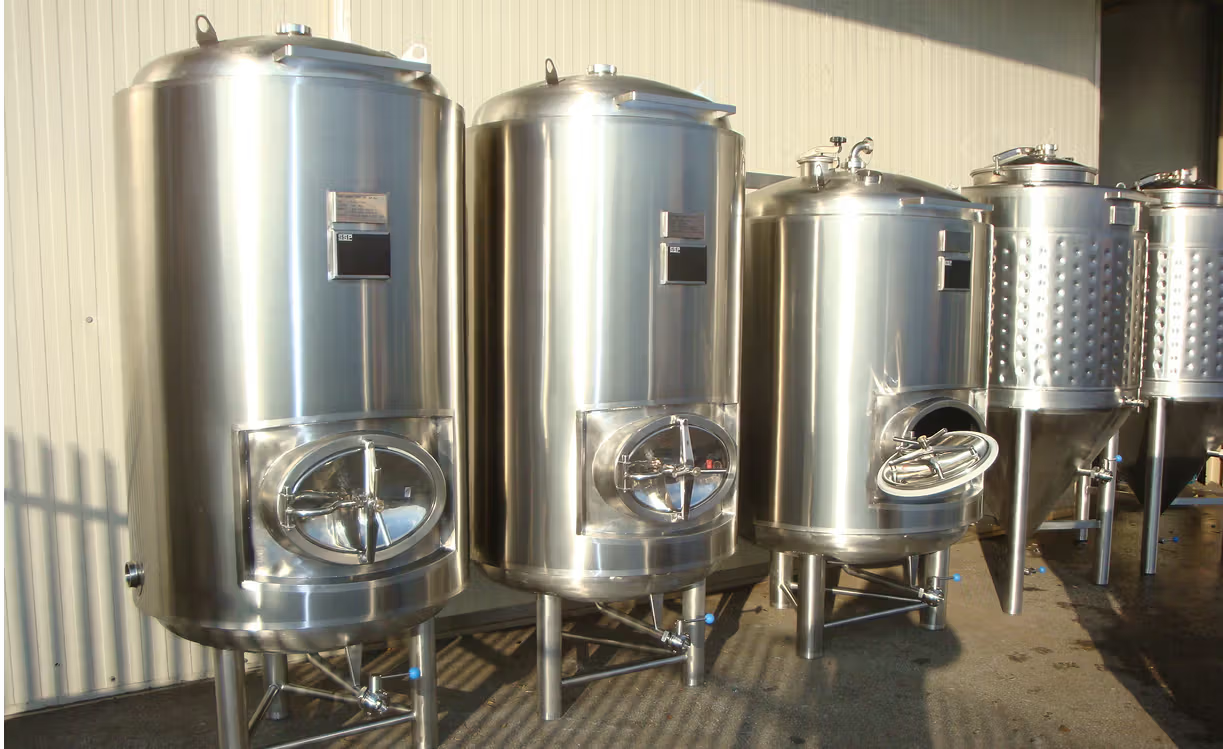
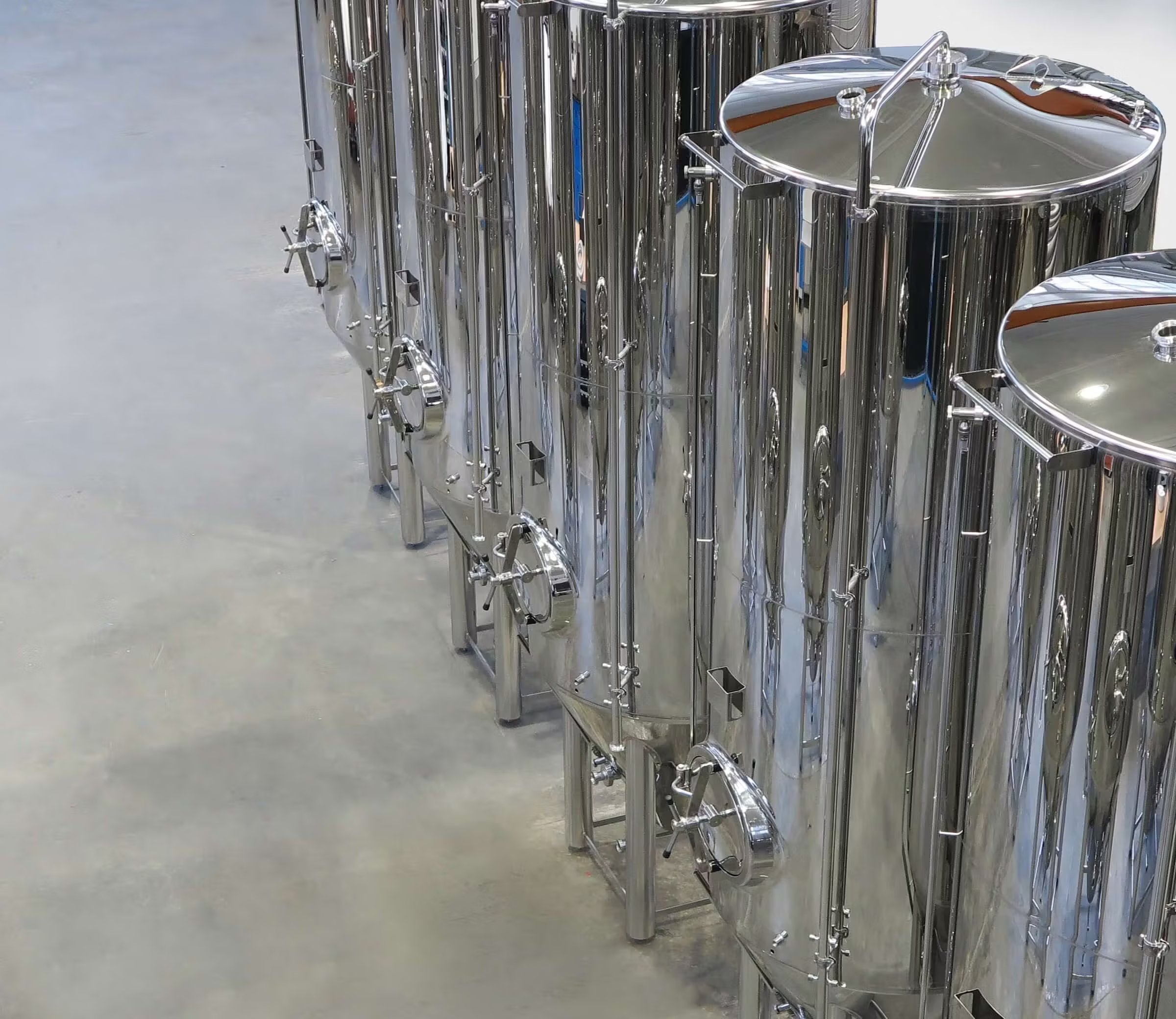
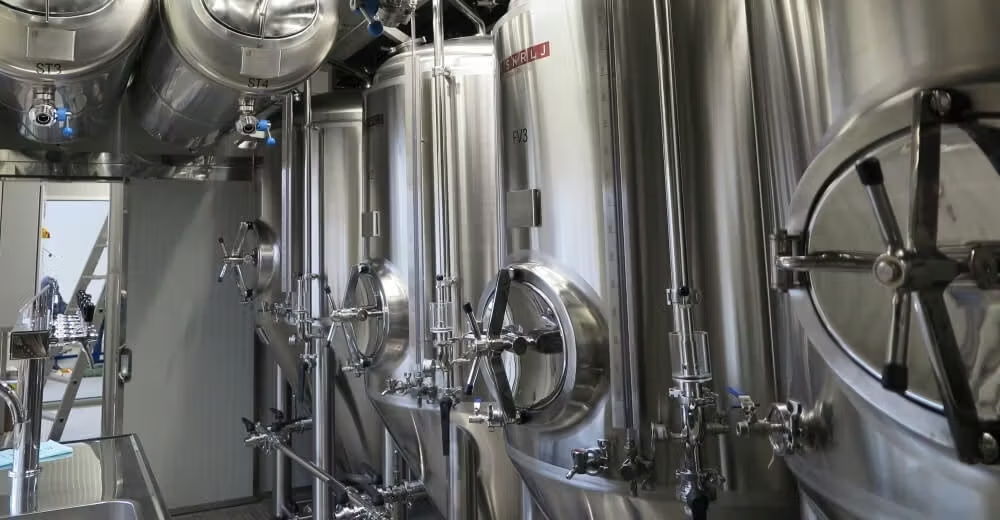
Brewery tanks are used throughout the brewing process to handle liquids safely, hygienically, and under controlled conditions. Each type of tank is designed for a specific purpose, from fermentation to final storage before packaging.
Well-designed brewery tanks allow brewers to:
- Maintain precise temperature control
- Protect beer from contamination and oxygen exposure
- Manage pressure during carbonation
- Improve clarity and stability
- Scale production efficiently
Without reliable tanks, even the best ingredients and recipes can produce inconsistent results.
Fermentation Tanks
Fermentation is where wort becomes beer. Yeast consumes sugars and produces alcohol, carbon dioxide, and flavour compounds. This process generates heat and requires careful control to avoid off-flavours or stalled fermentation.
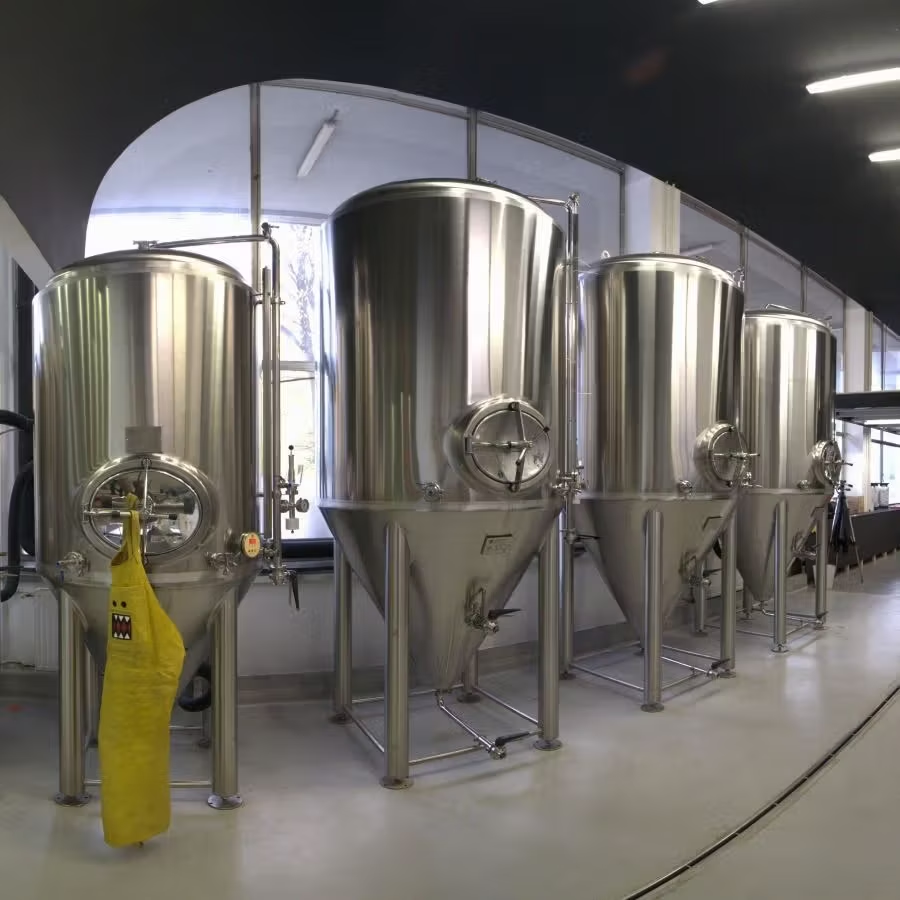
Most modern breweries use cylindrical conical fermentation tanks, which offer several advantages:
- Conical bases for easy yeast collection and removal
- Cooling jackets for temperature control
- Pressure-rated designs for controlled fermentation
- Sealed environments that reduce contamination risk
High-quality fermentation brewery tanks support consistent yeast performance and help brewers achieve the desired flavour profile for each beer style.
Conditioning Tanks
After fermentation, beer is transferred to conditioning tanks, often referred to as bright tanks. This stage allows the beer to mature, clarify, and develop carbonation.
Conditioning brewery tanks are designed to:
- Improve clarity by allowing particles to settle
- Stabilise flavour and aroma
- Control carbonation levels under pressure
- Prepare beer for filtration or packaging
These tanks are typically pressure rated, allowing brewers to carbonate beer naturally or through controlled CO₂ injection. Conditioning plays a crucial role in achieving a clean, polished final product.
Storage Tanks
Storage tanks hold beer before packaging or distribution. At this stage, maintaining stability is essential to preserve flavour, carbonation, and freshness.
High-quality storage brewery tanks provide:
- Airtight environments to prevent oxidation
- Temperature control to maintain product stability
- Hygienic surfaces to prevent contamination
- Efficient transfer systems for bottling or kegging
Some breweries combine conditioning and storage in the same vessel, depending on their production setup and capacity requirements.
Why Stainless Steel Is the Industry Standard
Stainless steel is the preferred material for all types of brewery tanks. It is durable, non-reactive, and easy to clean, making it ideal for food and beverage production.
Key benefits include:
- Resistance to corrosion from acidic beer
- Smooth surfaces that support effective cleaning
- No flavour transfer between batches
- Compatibility with cooling and pressure systems
Most tanks are made from 304 stainless steel, while 316 stainless steel may be used in more demanding environments. The quality of the finish and welds is critical for maintaining hygiene and long-term performance.
Temperature and Pressure Control
Temperature and pressure are two of the most important variables in brewing. Even small changes can affect fermentation speed, carbonation, and flavour development.
Modern brewery tanks are designed with:
- Cooling jackets for precise temperature control
- Insulation to maintain stable conditions
- Pressure relief valves for safety
- Sensors and controls for monitoring performance
These features allow brewers to replicate recipes consistently and maintain high product quality across batches.
Cleaning and Hygiene
Cleanliness is essential in brewing. Residual sugars and yeast can quickly lead to contamination if tanks are not properly maintained. High-quality brewery tanks are designed for efficient cleaning and sanitisation.
Important features include:
- Integrated CIP spray balls for full internal coverage
- Smooth welds and polished surfaces
- Fully drainable bases
- Easy access for inspection and maintenance
Effective cleaning reduces downtime and ensures each batch starts in a controlled, hygienic environment.
Choosing the Right Brewery Tanks
Selecting the right tanks depends on production scale, beer styles, and available space. Many breweries use a combination of tank sizes to balance flexibility and efficiency.
Key considerations include:
- Batch size and production volume
- Fermentation and conditioning time
- Available floor space and layout
- Future expansion plans
Working with experienced suppliers ensures that brewery tanks are properly specified for both current needs and long-term growth.
Conclusion
From fermentation through to conditioning and storage, brewery tanks are fundamental to producing consistent, high-quality beer. Each type of tank plays a specific role, and together they create a controlled environment that supports flavour development, clarity, and stability.
By investing in well-designed stainless steel tanks with effective temperature control, pressure management, and hygienic construction, breweries can improve efficiency, reduce risk, and deliver great beer with every batch.
Looking for a stainless steel tank?