Beer Fermentation Tanks
Choosing the right beer fermentation tank is one of the most important decisions for any brewery, whether you’re producing craft ales in small batches or scaling up for commercial production. The fermentation process directly influences flavour, clarity, and quality, and your tank setup can make or break that consistency. In this guide, we’ll explore what to look for when selecting beer fermentation tanks, including capacity, cooling systems, and process control.
Understanding Beer Fermentation Tanks
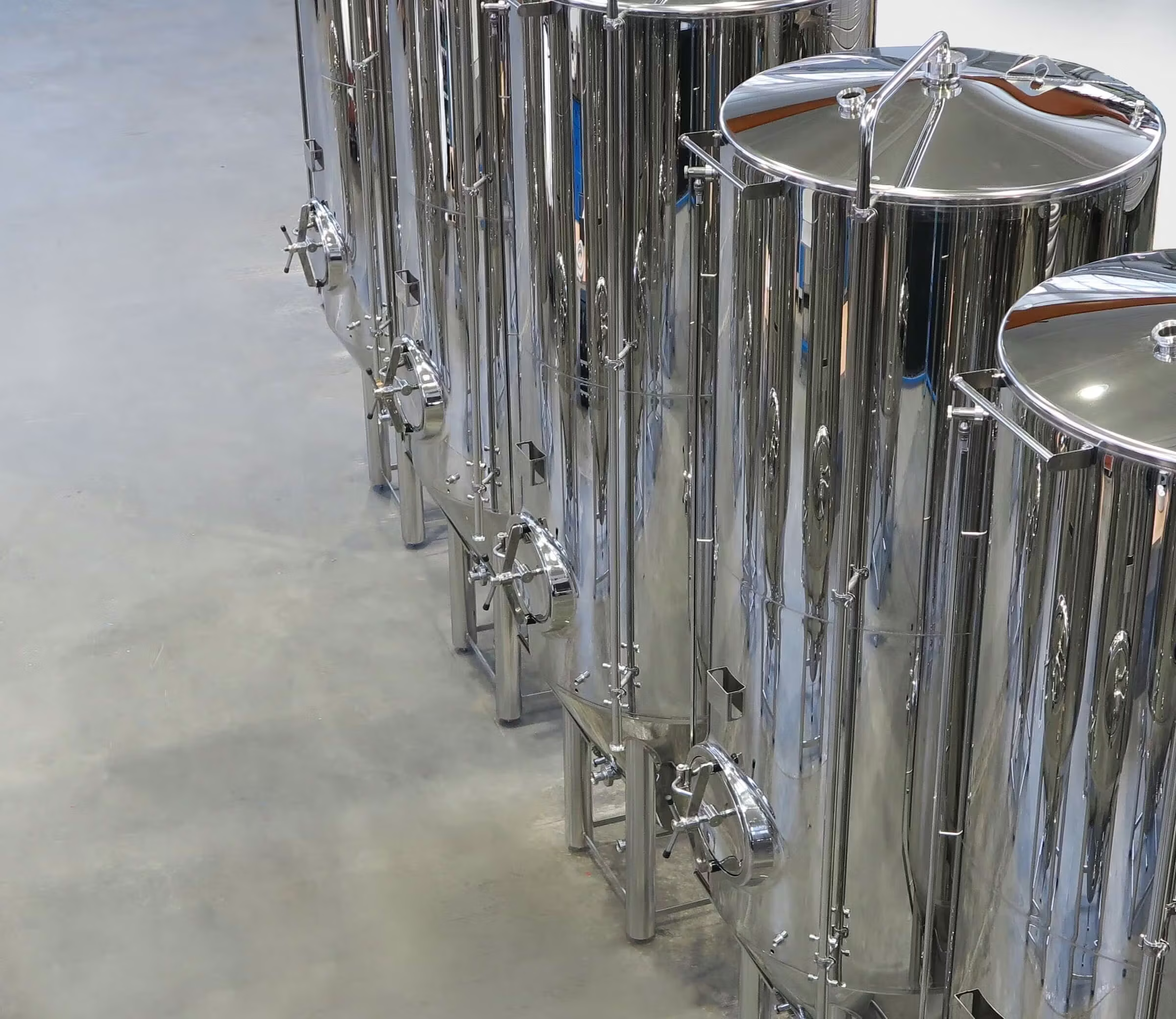
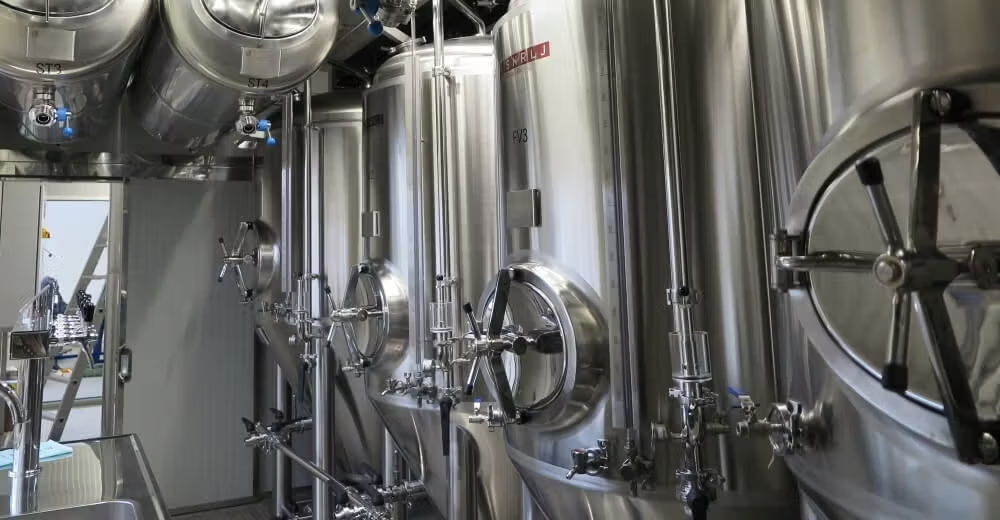
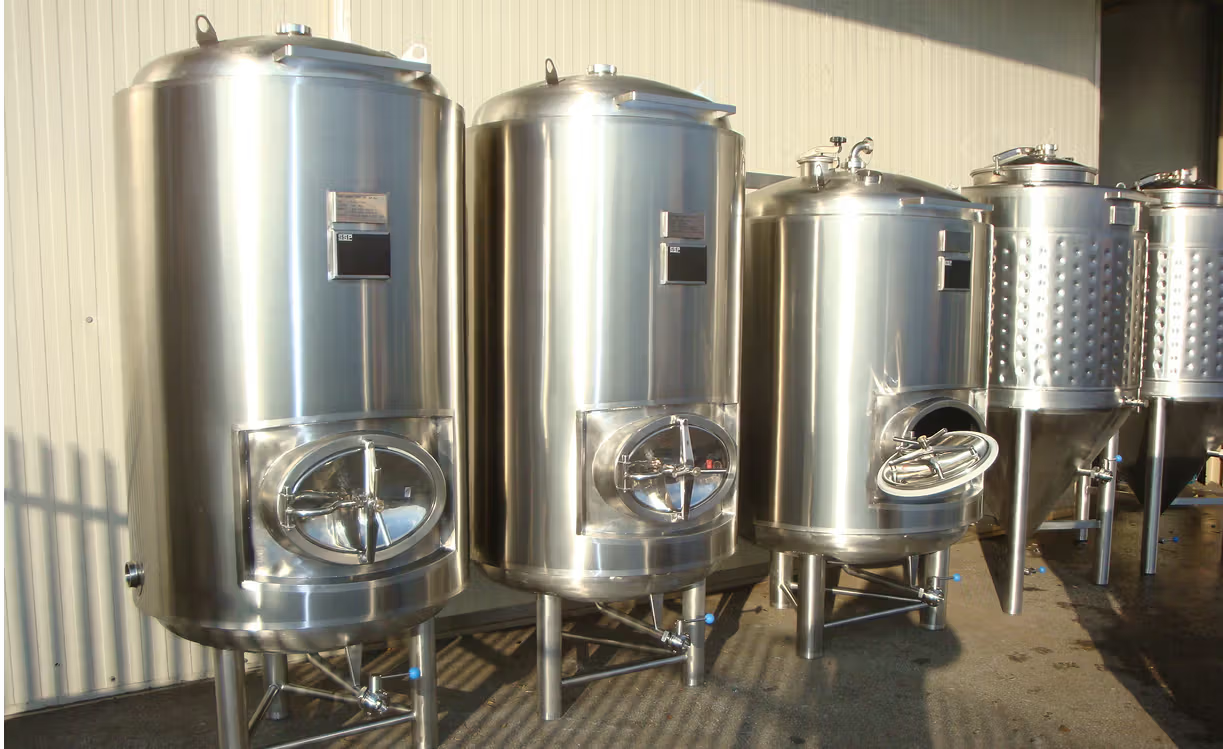
Beer fermentation tanks, sometimes called conical fermenters, are specialised stainless steel vessels designed to manage the crucial stage where yeast converts sugars into alcohol and carbon dioxide. Modern tanks are typically made from 304 or 316 stainless steel, chosen for their corrosion resistance and hygiene properties, essential in preventing contamination and maintaining purity in every batch.
Key components include:
- Conical bottoms for efficient yeast collection
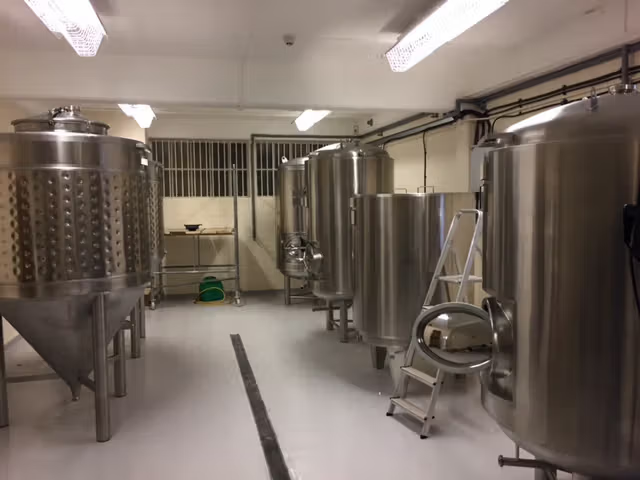
- Cooling jackets for precise temperature control
- Pressure-rated fittings for carbonation and safety
- CIP (Clean-in-Place) systems for easy cleaning and maintenance
When properly specified, these features allow brewers to maintain consistency, reduce waste, and produce a cleaner final product.
Capacity and Scalability
Tank capacity determines not only how much beer you can produce, but also how efficiently you can manage production cycles. For smaller craft breweries, starting with multiple mid-sized fermentation tanks (e.g. 1,000–3,000 litres) offers flexibility for brewing different styles simultaneously. Larger producers often invest in tanks up to 30,000 litres or more to maximise yield and reduce energy consumption per litre brewed.
When choosing capacity, consider:
- Batch size and how it fits with your brewing schedule
- Fermentation time (ales typically ferment faster than lagers)
- Headspace requirements for foam and CO₂ release
- Future expansion - modular tank systems make scaling easier
Selecting the right size now ensures you won’t outgrow your beer fermentation tanks too quickly.
Cooling and Temperature Control
Temperature control is critical for consistent fermentation. Even slight variations can affect yeast activity and the final taste profile. Quality beer fermentation tanks feature dual or multi-zone cooling jackets that circulate glycol or chilled water to maintain even temperatures throughout the vessel.
When comparing cooling systems, look for:
- Zoned cooling for fine-tuned control over different areas of the tank
- Insulated walls to maintain stable temperatures and reduce energy costs
- Digital temperature sensors and automatic control panels
- Compatibility with glycol chillers for high-efficiency cooling
For lagers, which require cooler and longer fermentation, precision cooling is especially important to achieve a clean, crisp finish.
Pressure and Process Control
Modern beer fermentation tanks are typically unitanks, meaning they can both ferment and carbonate beer in the same vessel. These tanks are pressure-rated, allowing for natural carbonation without transferring the beer to another tank.
Consider the following control features:
- Pressure relief valves to maintain safe operation
- Sampling ports for testing gravity and flavour
- Sight glasses and level gauges for monitoring progress
- Automated controls for repeatable results and reduced human error
Investing in tanks with strong process control not only improves quality but also reduces manual intervention, freeing up valuable time for brewers.
Material and Surface Finish
The choice between 304 and 316 stainless steel depends on your product and cleaning requirements. For most breweries, 304 stainless steel offers an excellent balance of durability and cost-effectiveness. However, 316 stainless steel is often used where higher resistance to acids or salts is required. For example, when producing sour beers or using aggressive cleaning agents.
A smooth Scotch-Brite or polished finish minimises the risk of microbial build-up and makes cleaning easier. Internally, a mirror finish ensures no residue remains after cleaning cycles.
Cleaning and Maintenance
Hygiene is paramount in brewing. Tanks designed for easy cleaning can significantly reduce downtime between batches. Look for integrated CIP spray balls, sloped bases, and smooth internal welds. A well-designed cleaning system ensures every surface is sanitised without disassembling parts, maintaining both efficiency and safety.
In Conclusion
When investing in beer fermentation tanks, the key considerations are capacity, cooling, and control. The right combination of tank size, temperature management, and process automation ensures consistent results, better flavour, and efficient production.
Whether you’re an independent craft brewer or an established producer, choosing high-quality stainless steel tanks built for brewing gives you the foundation for exceptional beer, batch after batch.
Looking for a stainless steel tank?