Beer Tanks
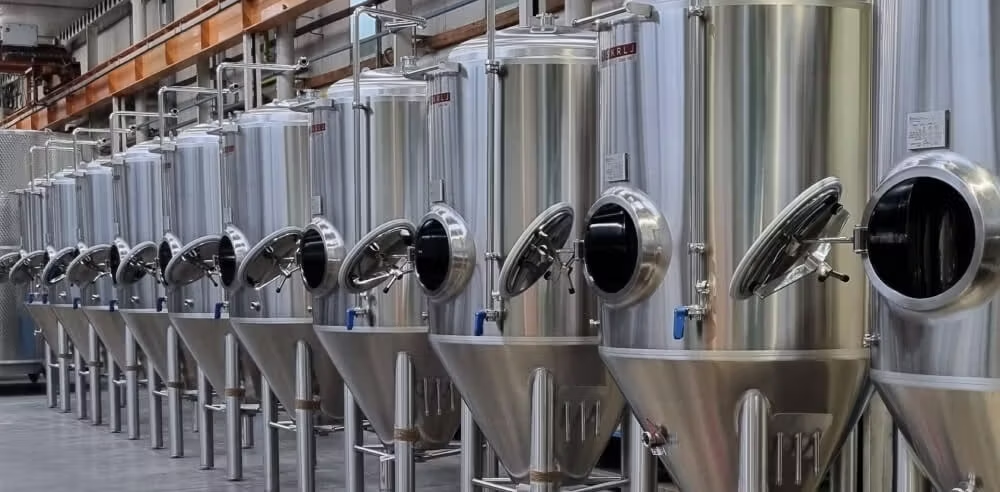
Modern brewing relies on precision, consistency, and well-designed equipment. At the centre of every brewery setup are beer tanks, which handle each stage of production from fermentation through to conditioning and storage. The quality and design of these tanks directly influence flavour, clarity, carbonation, and overall efficiency.
Whether you are running a small craft brewery or a large-scale operation, understanding how different beer tanks function is essential for producing consistent, high-quality beer. This guide explores the key types of tanks used in brewing and how they support modern brewing processes.
What Are Beer Tanks
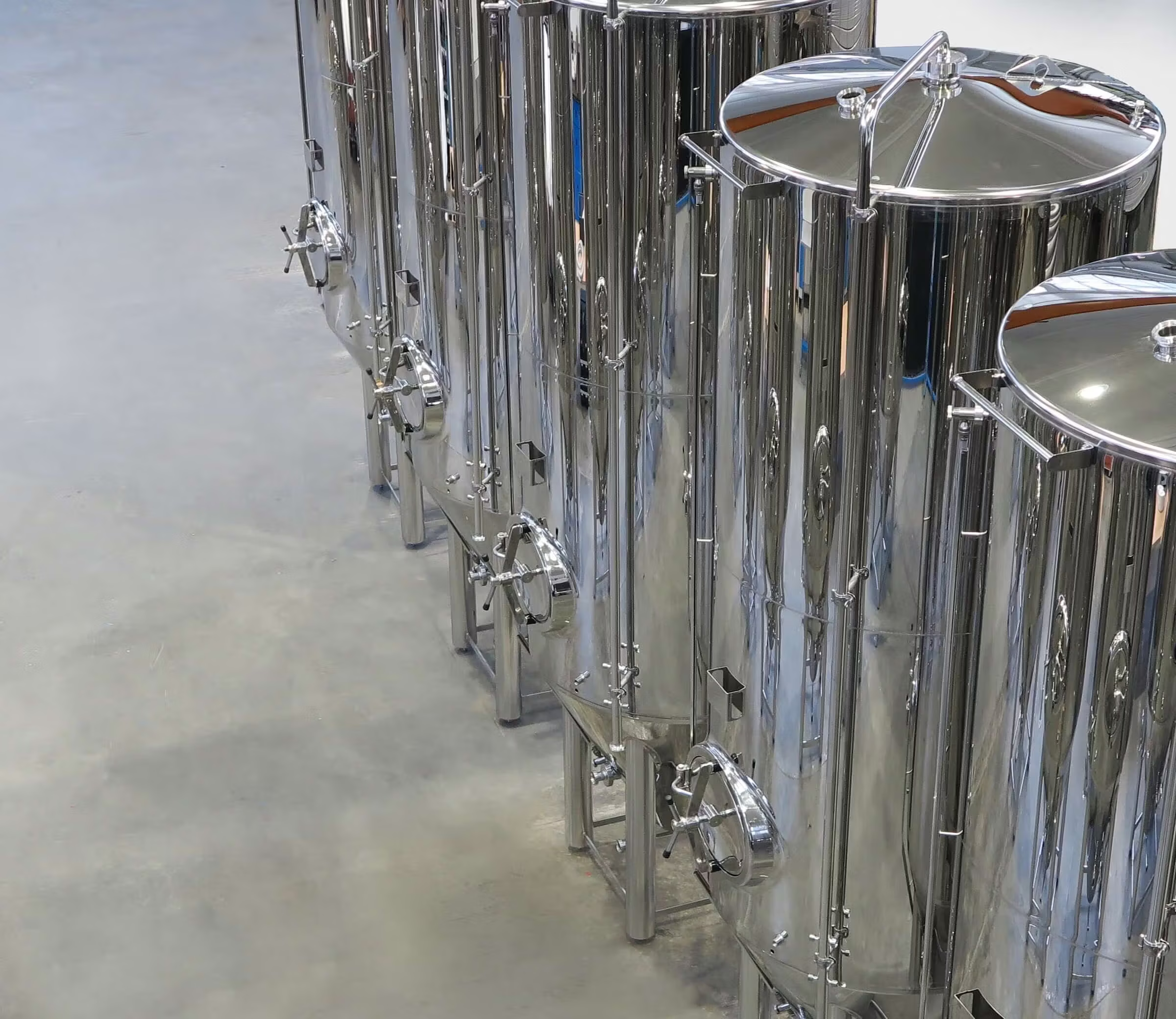
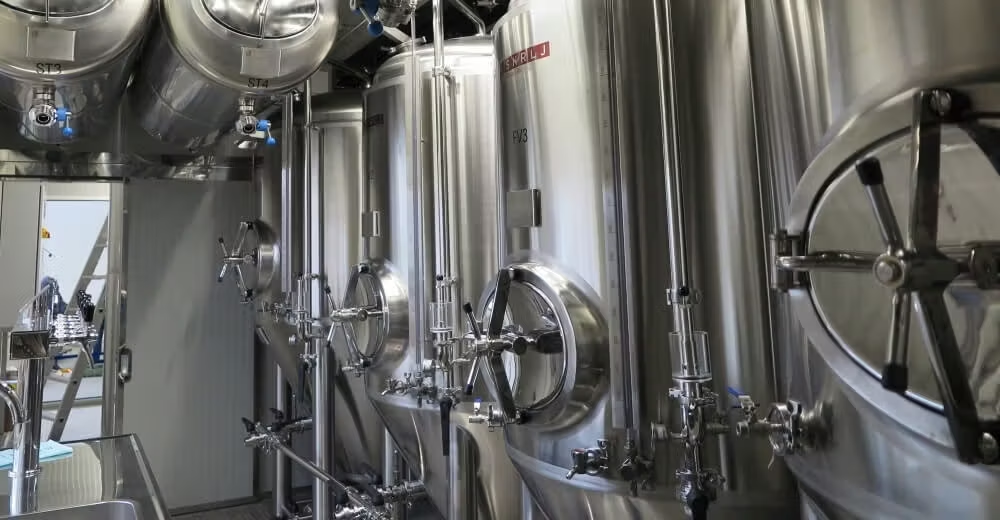
Beer tanks are specialised vessels used to process, ferment, condition, and store beer throughout production. Each type of tank is designed to perform a specific function, ensuring that beer is handled under controlled conditions at every stage.
High-quality beer tanks provide:
- Stable environments for fermentation and maturation
- Protection from contamination and oxygen exposure
- Controlled pressure for carbonation
- Efficient cleaning and maintenance
Together, these features ensure that beer remains consistent from batch to batch.
Fermentation Tanks
Fermentation tanks are where wort is transformed into beer. Yeast consumes sugars and produces alcohol, carbon dioxide, and flavour compounds. This stage requires careful control of temperature and pressure.
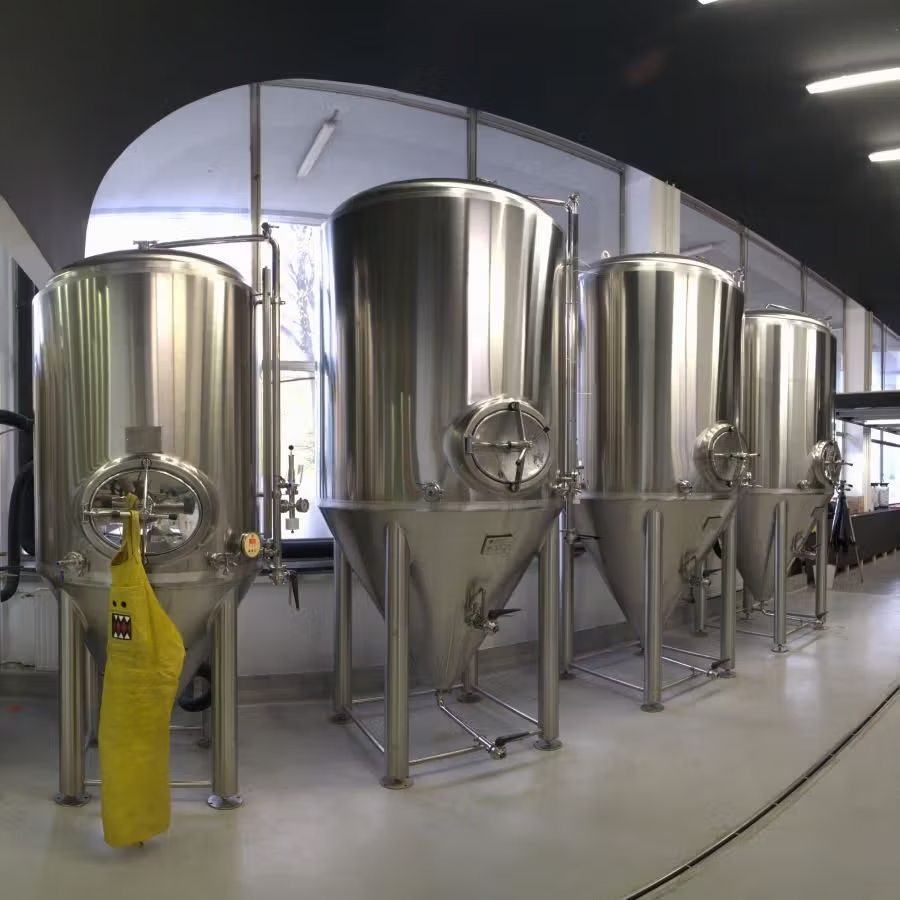
Most breweries use cylindrical conical fermenters, which offer:
- Conical bases for easy yeast collection
- Cooling jackets for temperature regulation
- Sealed environments to prevent contamination
- Pressure capability for controlled fermentation
These beer tanks are essential for maintaining yeast health and achieving the desired flavour profile.
Conditioning Tanks
Once fermentation is complete, beer moves into conditioning tanks, often referred to as bright tanks. This stage allows the beer to mature, clarify, and reach its final carbonation level.
Conditioning beer tanks are used to:
- Improve clarity by allowing particles to settle
- Stabilise flavour and aroma
- Control carbonation under pressure
- Prepare beer for packaging
These tanks help deliver a clean, polished final product ready for distribution.
Storage Tanks
Storage tanks are used to hold beer before packaging or transport. Maintaining stability during this stage is critical to preserving quality.
High-quality storage beer tanks provide:
- Airtight conditions to prevent oxidation
- Temperature stability to protect flavour
- Hygienic surfaces to avoid contamination
- Efficient transfer systems for bottling or kegging
Some breweries combine conditioning and storage depending on their setup and production needs.
Why Stainless Steel Is the Preferred Material
Stainless steel is the industry standard for beer tanks due to its durability, hygiene, and neutrality. It does not react with beer or affect flavour, making it ideal for all stages of production.
Key benefits include:
- Resistance to corrosion from acidic liquids
- Smooth surfaces that support effective cleaning
- No flavour carryover between batches
- Compatibility with cooling and pressure systems
Most tanks are made from 304 stainless steel, with 316 stainless steel used in more demanding environments.
Temperature and Pressure Control
Temperature and pressure play a critical role in brewing. Controlling these variables ensures consistent fermentation, proper carbonation, and stable final products.
Modern beer tanks are designed with:
- Cooling jackets for precise temperature management
- Insulation to maintain stable conditions
- Pressure-rated construction for safe carbonation
- Sensors and controls for monitoring and adjustment
These features allow brewers to replicate recipes reliably and maintain product quality.
Cleaning and Hygiene
Cleanliness is essential in brewing, as any contamination can compromise an entire batch. Well-designed beer tanks make cleaning straightforward and effective.
Important hygiene features include:
- Integrated CIP spray balls for full coverage
- Smooth welds and polished interiors
- Fully drainable bases
- Easy access for inspection and maintenance
Regular cleaning ensures consistent quality and extends the lifespan of the equipment.
Choosing the Right Beer Tanks
Selecting the right tanks depends on the size of the brewery, production goals, and available space. Many breweries use a mix of tank sizes to balance flexibility and efficiency.
Key considerations include:
- Batch size and production capacity
- Fermentation and conditioning time
- Available floor space and layout
- Future expansion plans
Working with experienced suppliers helps ensure that beer tanks are correctly specified for both current needs and long-term growth.
Conclusion
From fermentation through to storage, beer tanks are essential to every stage of the brewing process. Their design and quality directly affect flavour, clarity, and consistency, making them a critical investment for any brewery.
By choosing well-designed stainless steel tanks with effective temperature control, pressure management, and hygienic features, brewers can produce high-quality beer efficiently and reliably, batch after batch.
Looking for a stainless steel tank?